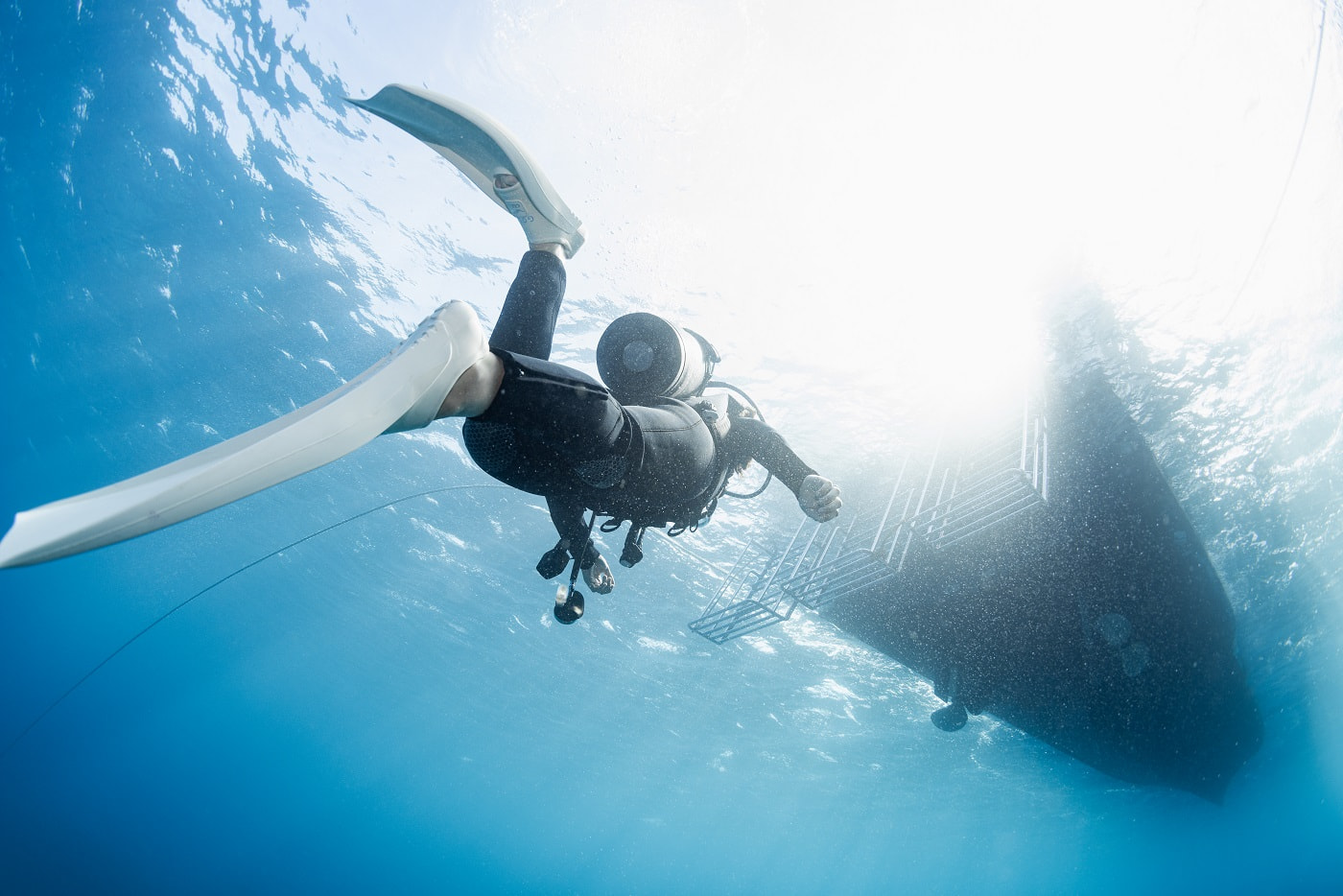
Essential Safety Skills for Diving in the Kerama Islands
The Kerama Islands are one of the most beautiful diving destinations in Japan. With crystal-clear water, colorful coral reefs, and frequent encounters with sea turtles, it is a dream location for many divers.
However, enjoying these amazing dive sites safely requires a few important skills. Whether you are a beginner or an experienced diver, understanding ear clearing, neutral buoyancy, and emergency response procedures will make your dive more comfortable and safer.
These basic techniques help prevent injuries, protect marine life, and allow you to relax and fully enjoy the underwater world.
Ear Clearing Techniques for a Comfortable Descent
As you descend underwater, pressure increases and can cause discomfort in your ears. This is completely normal, but it is important to equalize the pressure properly.
Valsalva Maneuver
The most common method is the Valsalva maneuver. Gently pinch your nose and blow through it while keeping your mouth closed. This pushes air into your middle ear and balances the pressure.
Swallowing or Jaw Movement
Swallowing, yawning, or moving your jaw from side to side can also help open the Eustachian tubes and equalize pressure naturally.
Descend Slowly
Never rush your descent. Move slowly and equalize early and often. Waiting until you feel pain can make equalization more difficult.
If you feel discomfort that does not improve, ascend slightly and try again. Never force equalization.
Mastering Neutral Buoyancy
Neutral buoyancy is one of the most important diving skills. It allows you to stay at the same depth without floating up or sinking down.
When you master buoyancy control, diving becomes easier, safer, and much more enjoyable.
Proper Weighting
Before diving, make sure you have the correct amount of weight. Too much weight makes buoyancy difficult to control and increases air consumption.
Breathing Control
Your breathing plays a big role in buoyancy. Slow, relaxed breathing allows small adjustments in depth without using your BCD too much.
Horizontal Trim
Try to maintain a horizontal body position in the water. This reduces drag and helps you move smoothly.
Protecting Coral Reefs
Good buoyancy control is also essential for protecting the marine environment. Accidentally touching coral can damage fragile reefs that took decades to grow.
Preventing Seasickness on Dive Boats
Many dive trips to the Kerama Islands involve a boat ride from Naha, which usually takes about one hour. While the ocean is often calm, some people may experience seasickness.
Here are a few simple tips:
- Get enough sleep the night before
- Avoid heavy meals or alcohol before diving
- Sit where you can see the horizon
- Take motion sickness medication if necessary
- Stay hydrated
If you start feeling unwell, inform the dive staff so they can assist you.
The Importance of Safety Stops
A safety stop is a standard procedure in recreational diving. Before surfacing, divers usually stop at around 5 meters (15 feet) for about 3 minutes.
This allows excess nitrogen to leave the body gradually and reduces the risk of decompression sickness.
During the safety stop:
- Maintain neutral buoyancy
- Monitor your air supply
- Stay close to your dive buddy
- Look around and enjoy the marine life
Many divers actually enjoy this moment because fish often gather around the reef top.
What to Do If You Feel Panic Underwater
Feeling nervous or slightly stressed underwater can happen to any diver, especially if conditions are unfamiliar.
If you feel panic starting:
Stop and Breathe Slowly
Pause for a moment and focus on slow, steady breathing.
Signal Your Buddy
Use hand signals to let your buddy or guide know you need assistance.
Ascend Slowly if Necessary
If you are uncomfortable, ascend slowly with your buddy while following safe diving procedures.
Remember, professional dive guides are trained to help and support divers in any situation.
Emergency Procedures Every Diver Should Know
Although diving is generally very safe, it is important to understand basic emergency procedures.
Buddy System
Always stay close to your dive buddy and maintain visual contact.
Out-of-Air Situation
If you run low on air, signal your buddy and use their alternate air source.
Controlled Ascent
Ascend slowly and safely while monitoring your depth and air supply.
Surface Safety
Once at the surface:
- Inflate your BCD
- Keep your mask on
- Signal the boat if needed
Listening carefully to the pre-dive safety briefing helps ensure everyone understands these procedures.
Enjoy Safe and Relaxed Diving in Kerama
By mastering ear clearing, buoyancy control, and basic emergency skills, you can explore the Kerama Islands with confidence.
These simple techniques make diving more comfortable and help protect the beautiful marine ecosystem that makes Kerama so special.
With clear water, healthy coral reefs, and abundant marine life, Kerama offers an unforgettable diving experience for divers of all levels.
Common Beginner Mistakes in Kerama Diving
Even though the Kerama Islands offer calm waters and excellent visibility, beginner divers sometimes make small mistakes that can affect their comfort or safety during the dive. Understanding these common issues can help you relax and enjoy your dive much more.
Descending Too Quickly
Many new divers descend too fast at the beginning of the dive. This can make ear equalization difficult and cause discomfort. Always descend slowly and equalize your ears frequently to avoid pressure problems.
Poor Buoyancy Control
Beginners sometimes struggle with buoyancy and may accidentally float upward or sink toward the reef. Practicing slow breathing and maintaining a horizontal position can greatly improve buoyancy control.
Focusing Too Much on Cameras
Underwater photography is exciting, but some divers become so focused on their camera that they forget about buoyancy or air consumption. If you are using a camera, always check your depth, air, and surroundings regularly.
Touching Coral or Marine Life
Kerama has extremely healthy coral reefs, but these ecosystems are fragile. Avoid touching coral or marine animals, and maintain proper buoyancy to protect the reef.
Not Monitoring Air Consumption
Some beginner divers forget to check their air gauge frequently. Make it a habit to monitor your air supply and communicate with your buddy or guide throughout the dive.
Dive Safely with GOLD Scuba Diving
If you are planning to dive in the Kerama Islands, choosing an experienced dive team makes a big difference.
GOLD Scuba Diving offers guided dives with experienced instructors who focus on safety, comfort, and small dive groups.
Whether you need help with buoyancy, ear clearing, or simply want to enjoy the best dive sites in Kerama, our team is here to support you.
👉 Book your Kerama diving experience with GOLD Scuba Diving and explore Okinawa’s most beautiful underwater world.
GOLD Scuba Diving
Explore More on Kerama Diving
- Kerama Diving – Complete Guide
- How to Dive the Kerama Islands from Naha
- Do I Need Advanced Certification to Dive in Okinawa?
- Best Kerama Dive Sites in Okinawa
- Kerama Diving: Best Time & Season Guide for Year-Round Diving
- Is Kerama Diving in Okinawa Suitable for Beginners?
- Kerama Diving Price Guide
- A Day in the Kerama Islands
- Marine Life & Underwater Landscapes in Kerama Islands
- Kerama Diving Okinawa
- Kerama Diving from Naha
- Small Group Diving in Kerama Islands
- Drift Diving in Kerama Islands
- Is One Day of Diving in the Kerama Islands Enough?
- Kerama Diving Safety Tips & Preparation Guide
- Two Days of Diving in Kerama
- Is Kerama Diving Worth It?
- Ear Clearing, Buoyancy & Emergency Response Guide
- Kerama Diving Packing List
- Kerama Diving Visibility