Popular Kerama Islands Dive Sites in Okinawa: A Local Guide
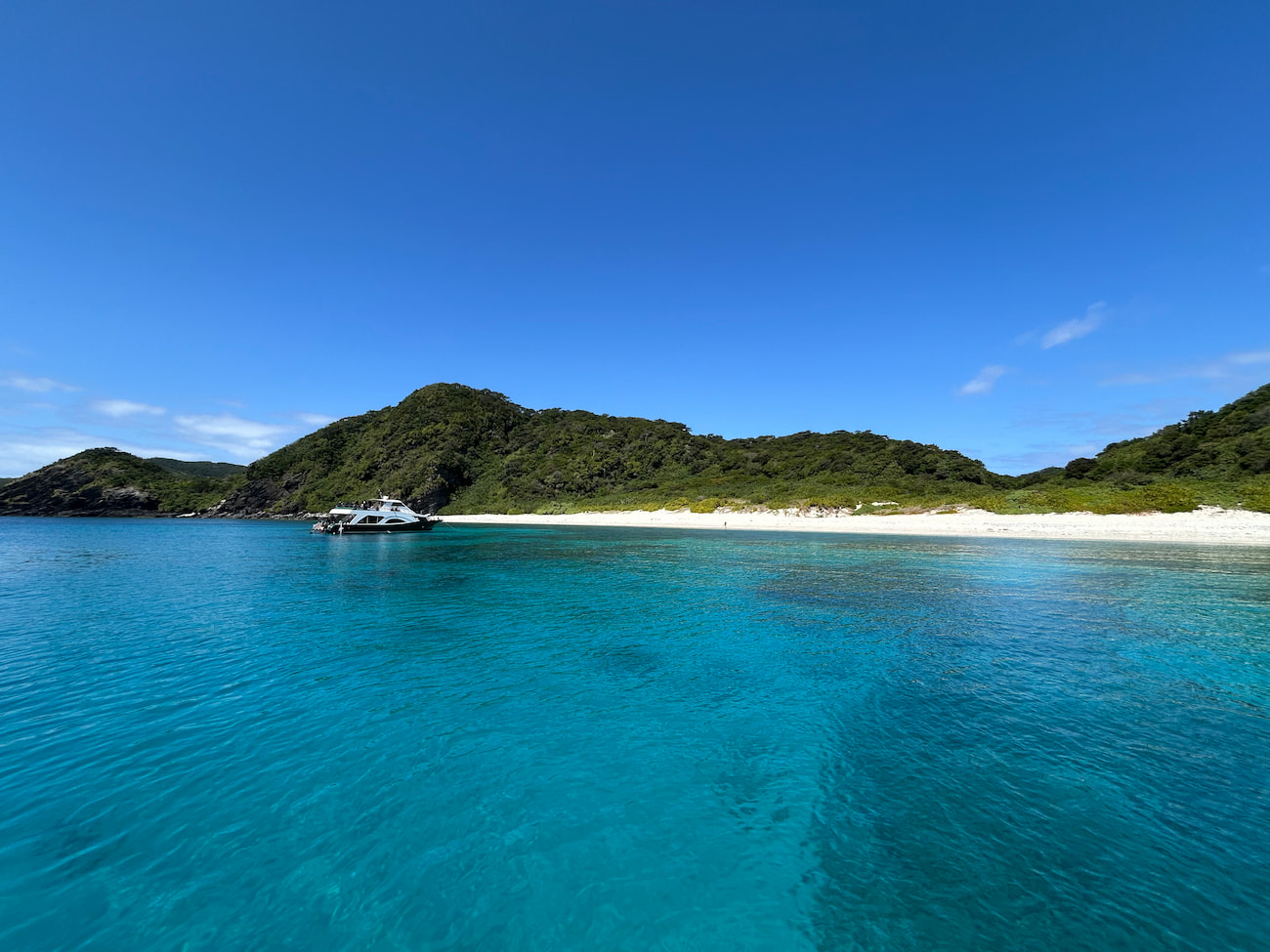
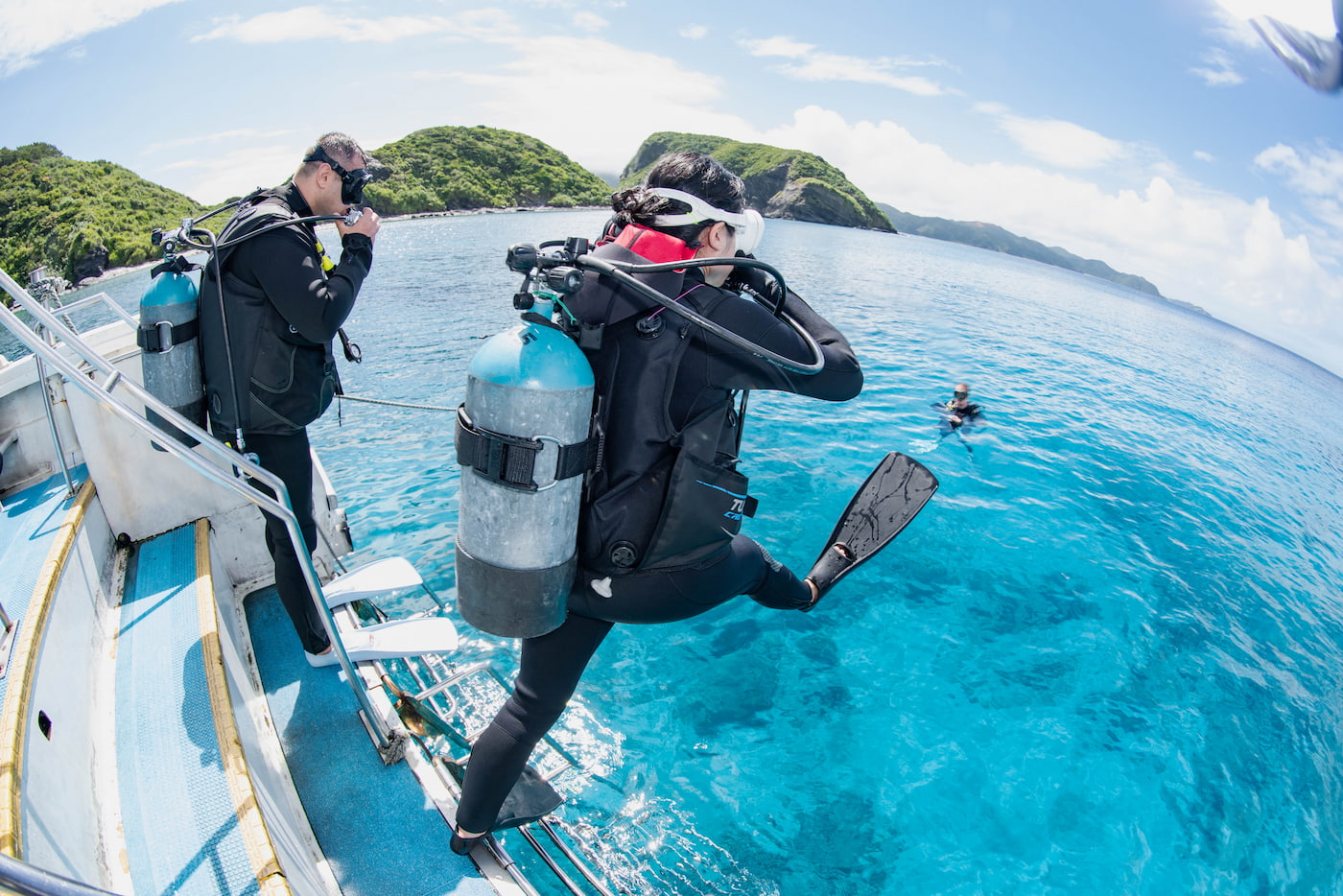
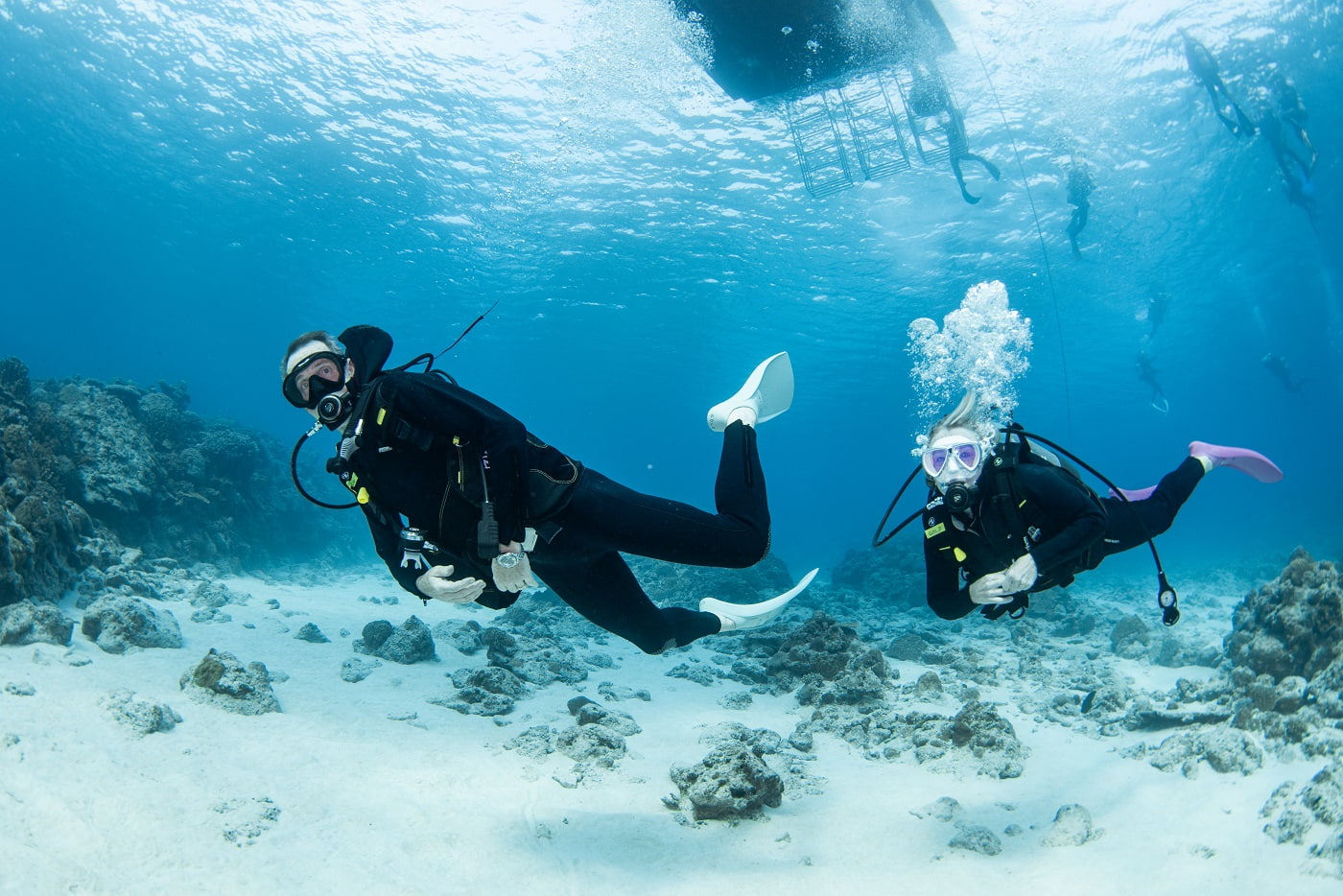
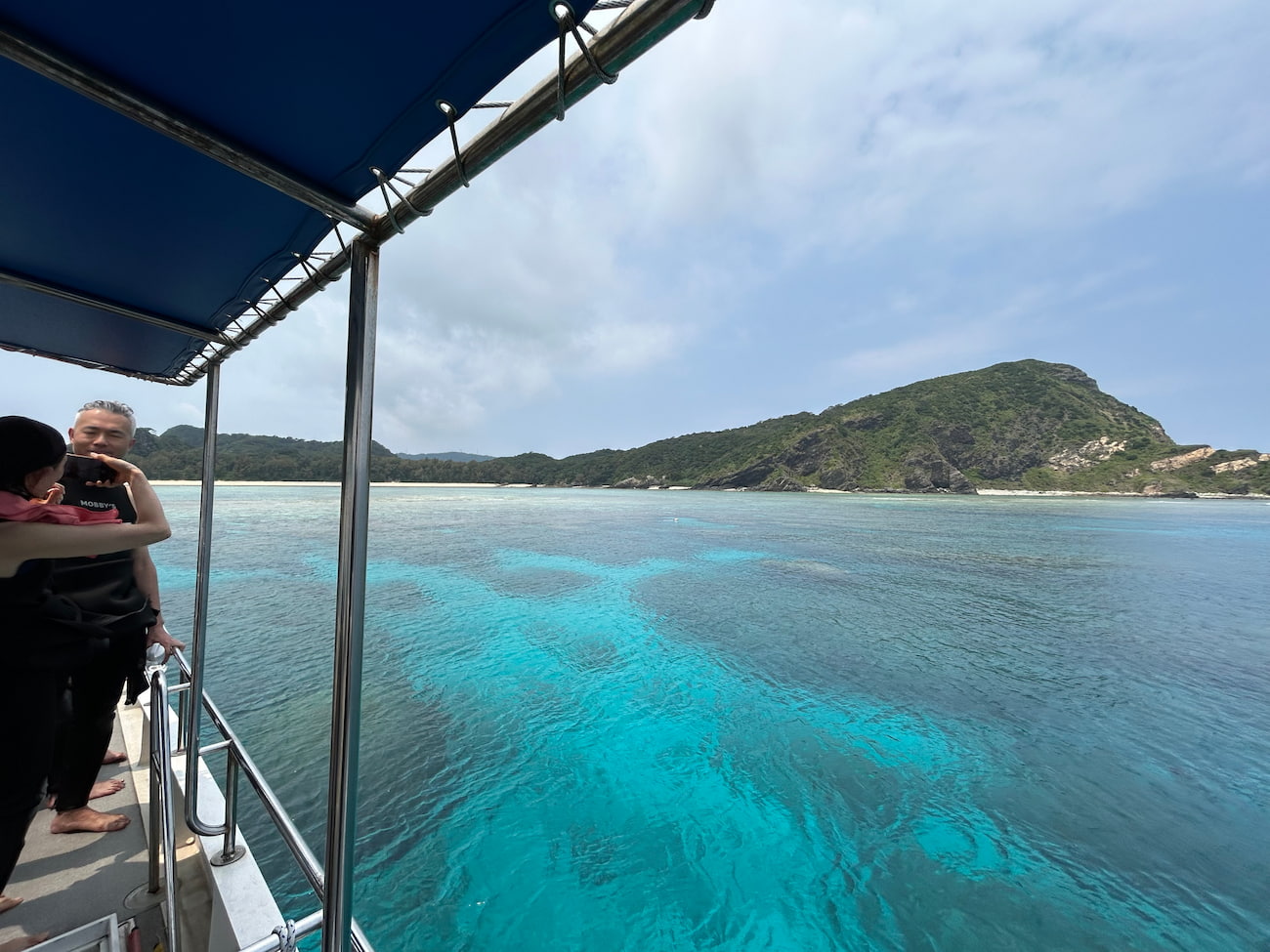
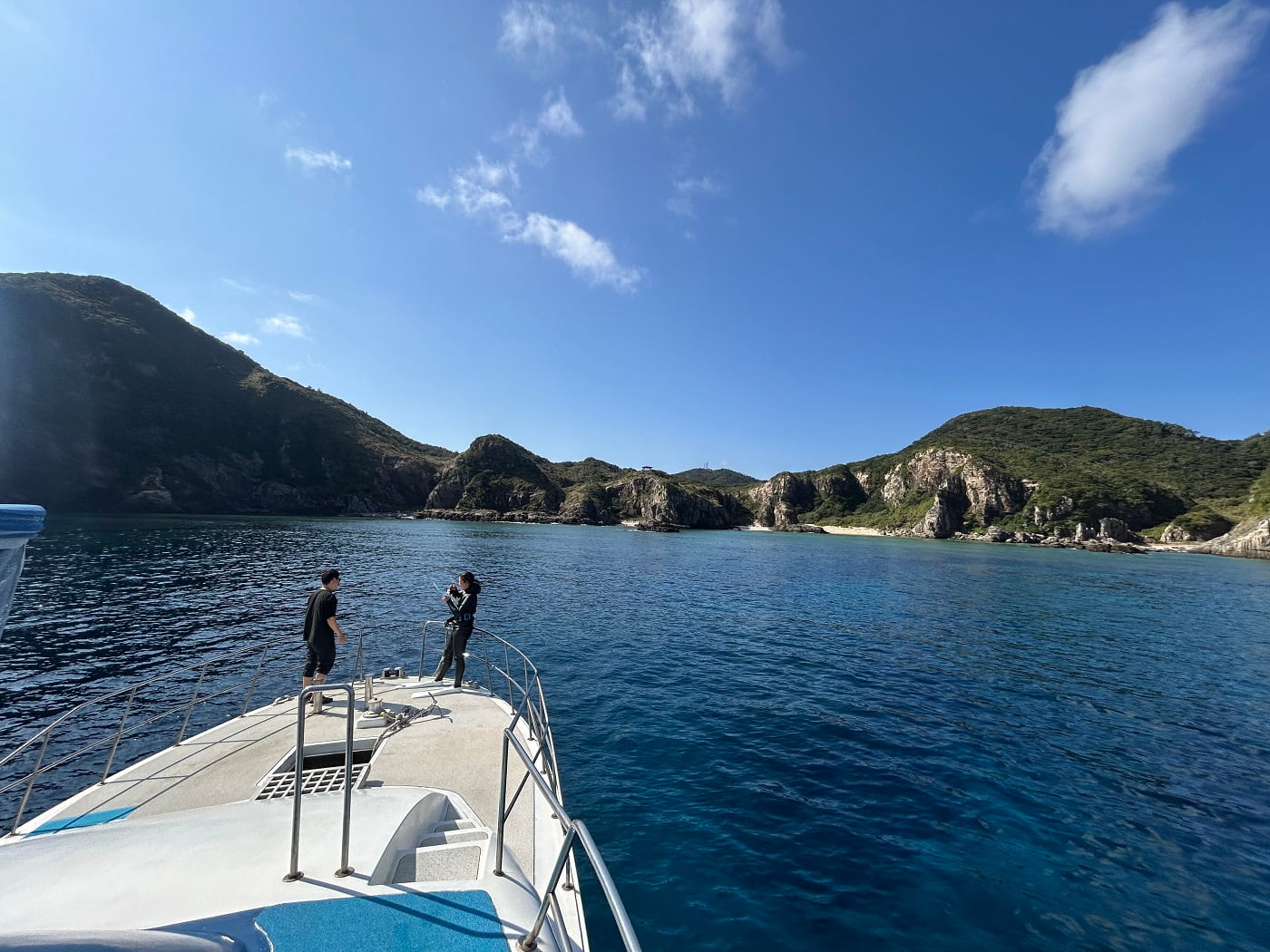
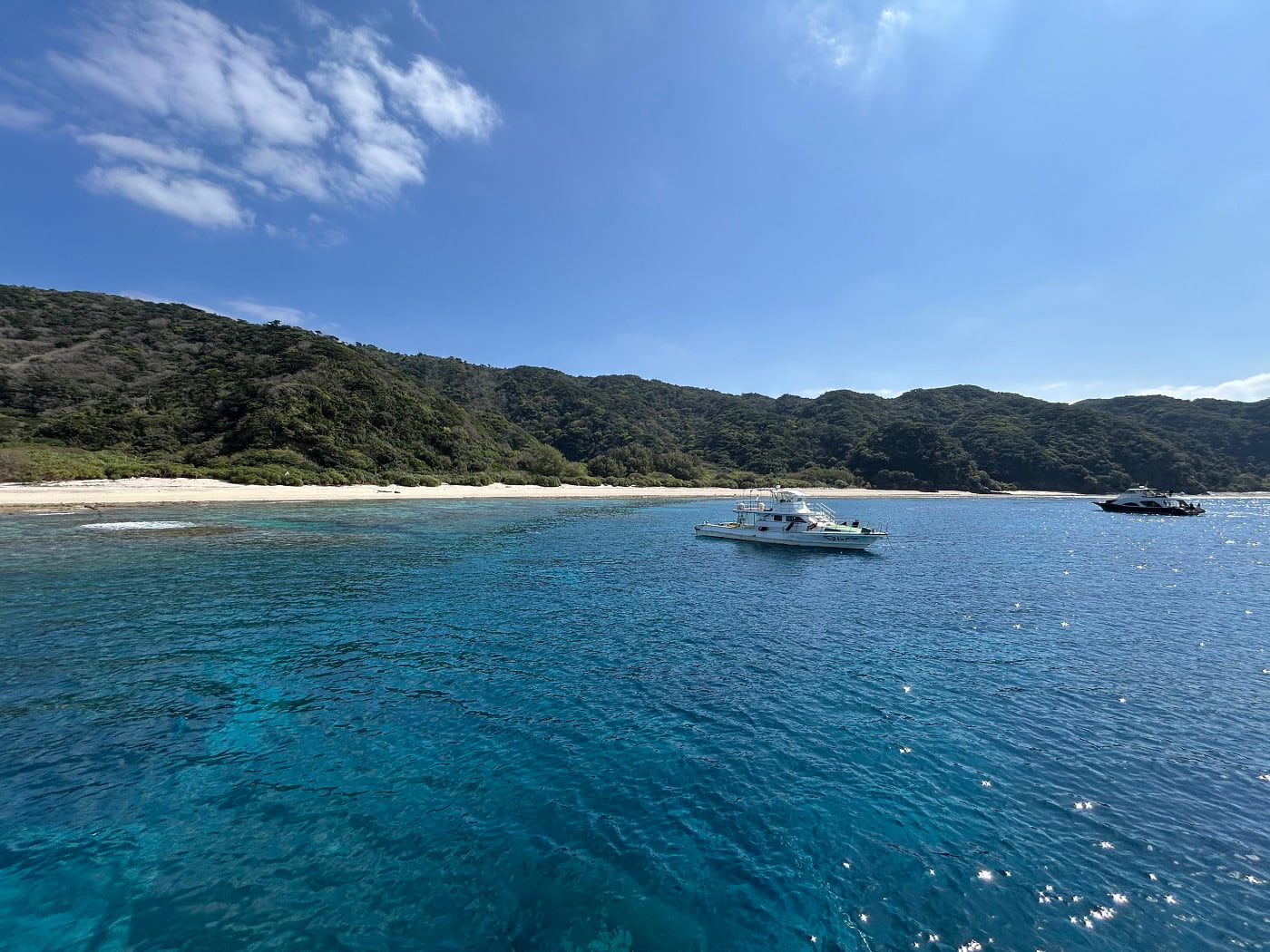
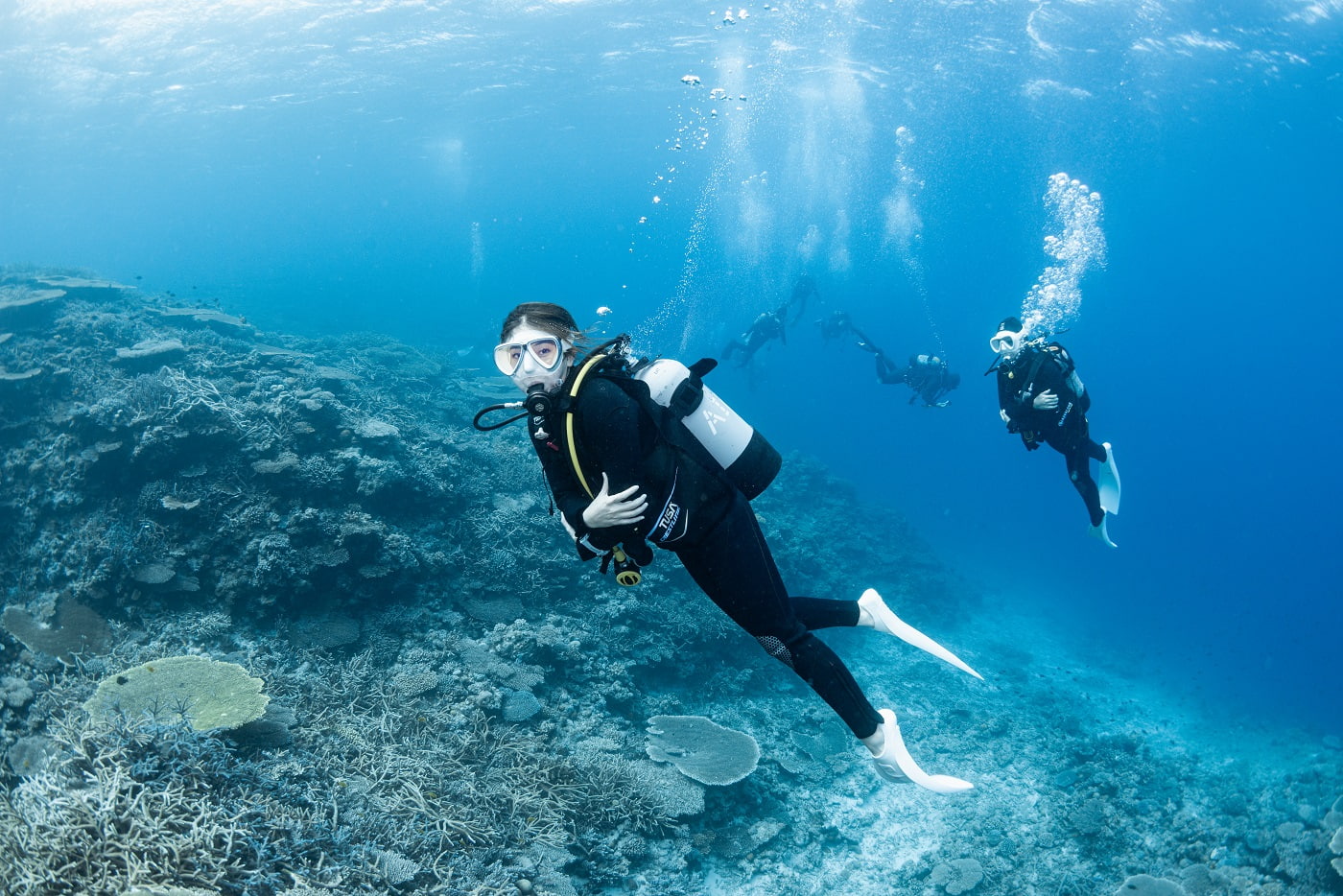
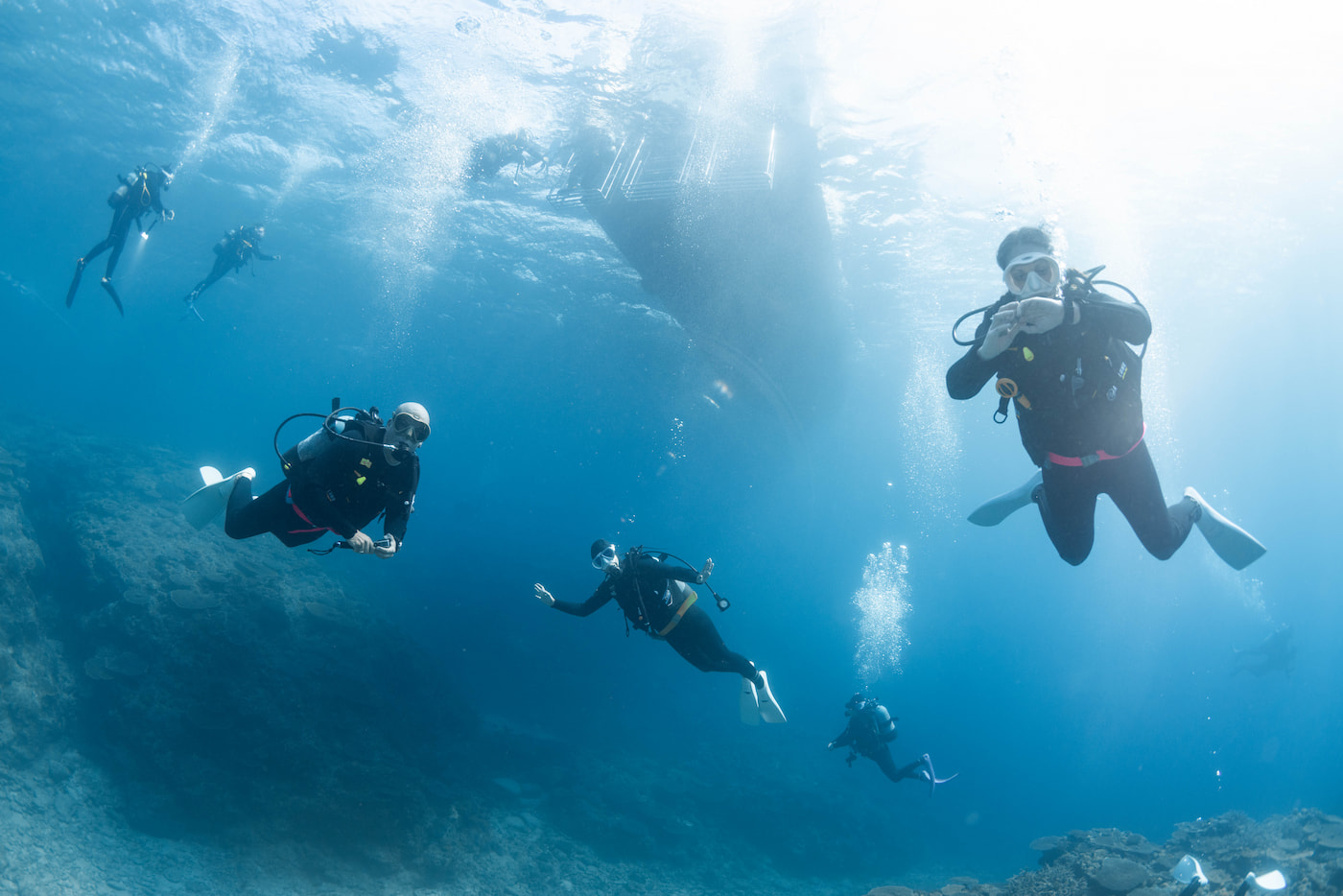
The Kerama Islands are one of the most famous scuba diving destinations in Japan. Located about 40 minutes west of Okinawa’s main island by boat from Naha, this beautiful national park offers crystal-clear water, colorful coral reefs, and an incredible variety of marine life.
One of the biggest highlights of diving in the Kerama Islands is the exceptional water clarity. Visibility often exceeds 20 to 30 meters, allowing divers to fully enjoy vibrant coral landscapes and schools of tropical fish.
In this article, we introduce some of the most popular dive sites we frequently visit on our Kerama Islands diving tours.
Zamami Island Dive Sites
Dragon Lady (Zamami Island)
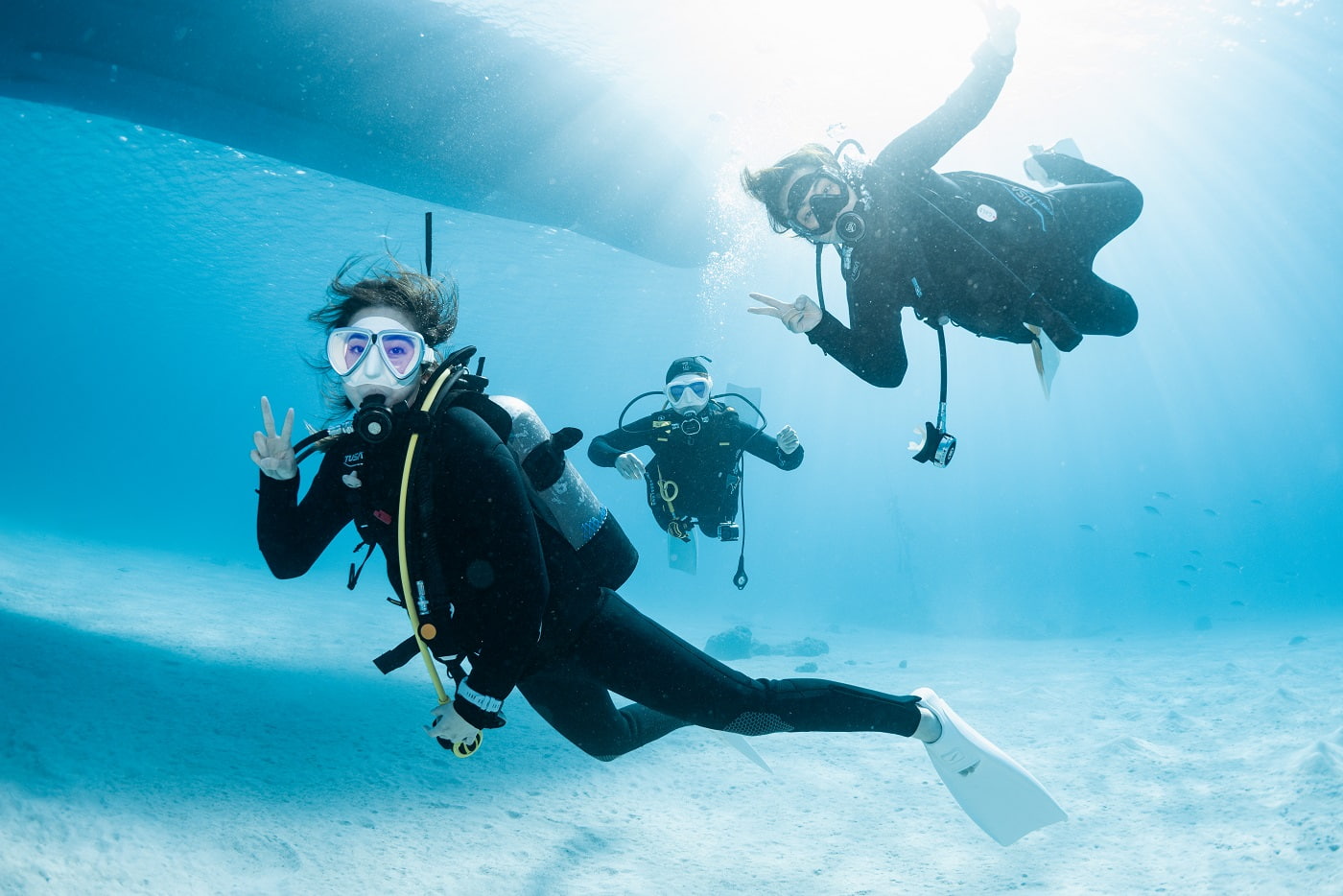
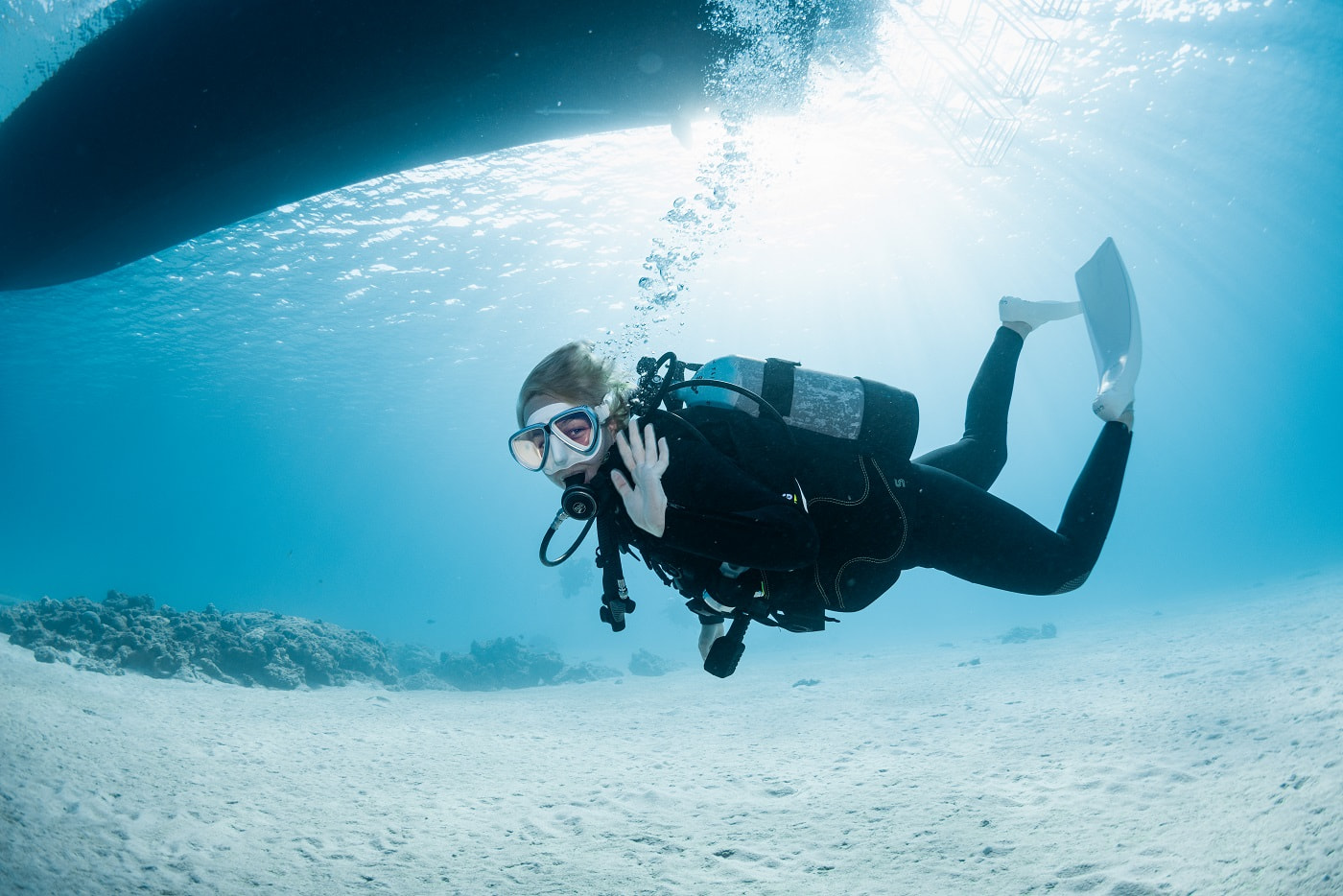
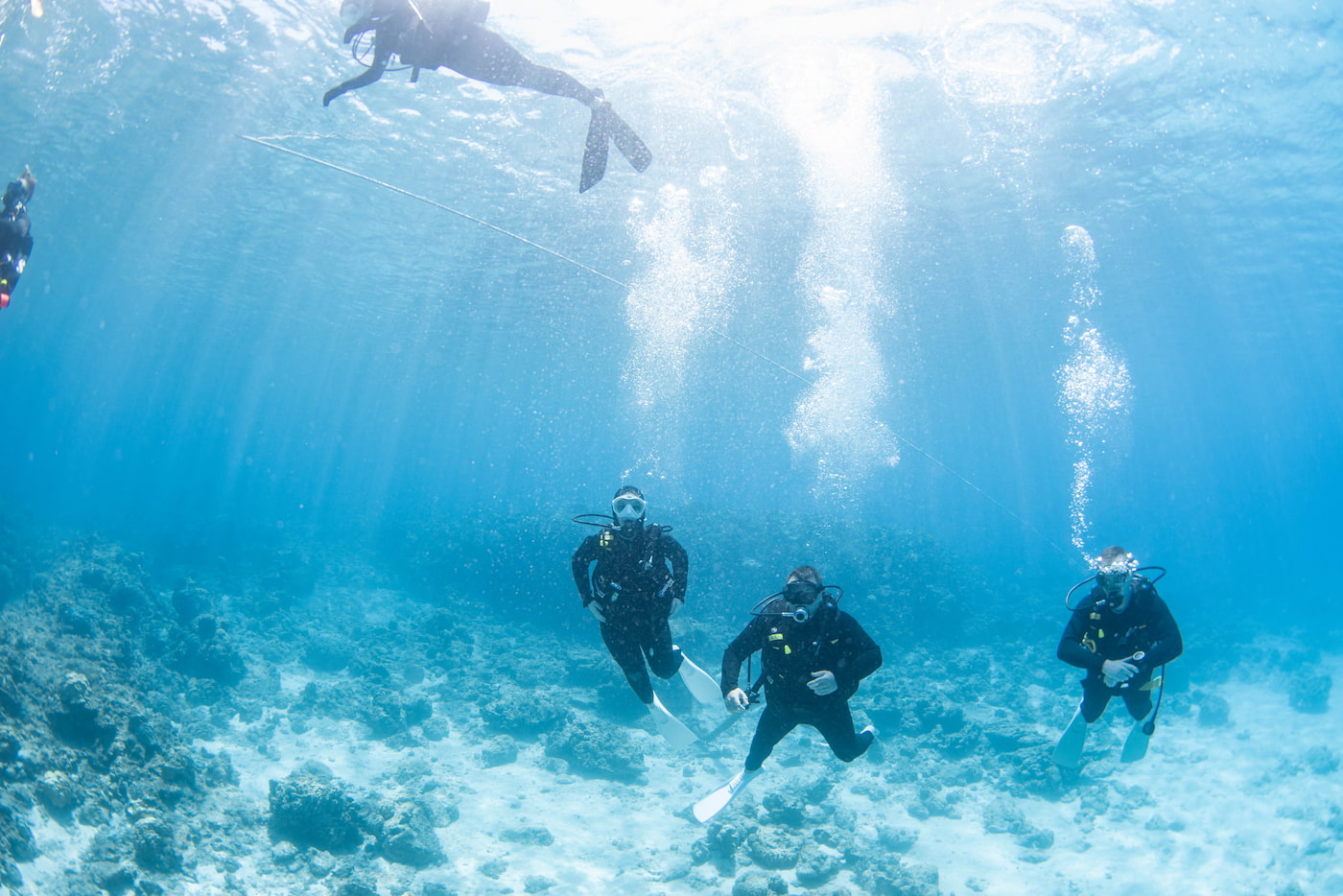
A dive site featuring both sandy bottom and reef areas. It offers excellent visibility, and on sunny days the sunlight beams penetrating the water create a stunning underwater scene.
The site is named after an airplane that was once used in the filming of a Japanese movie. In the deeper area, the remains of the wreck are scattered on the seabed.
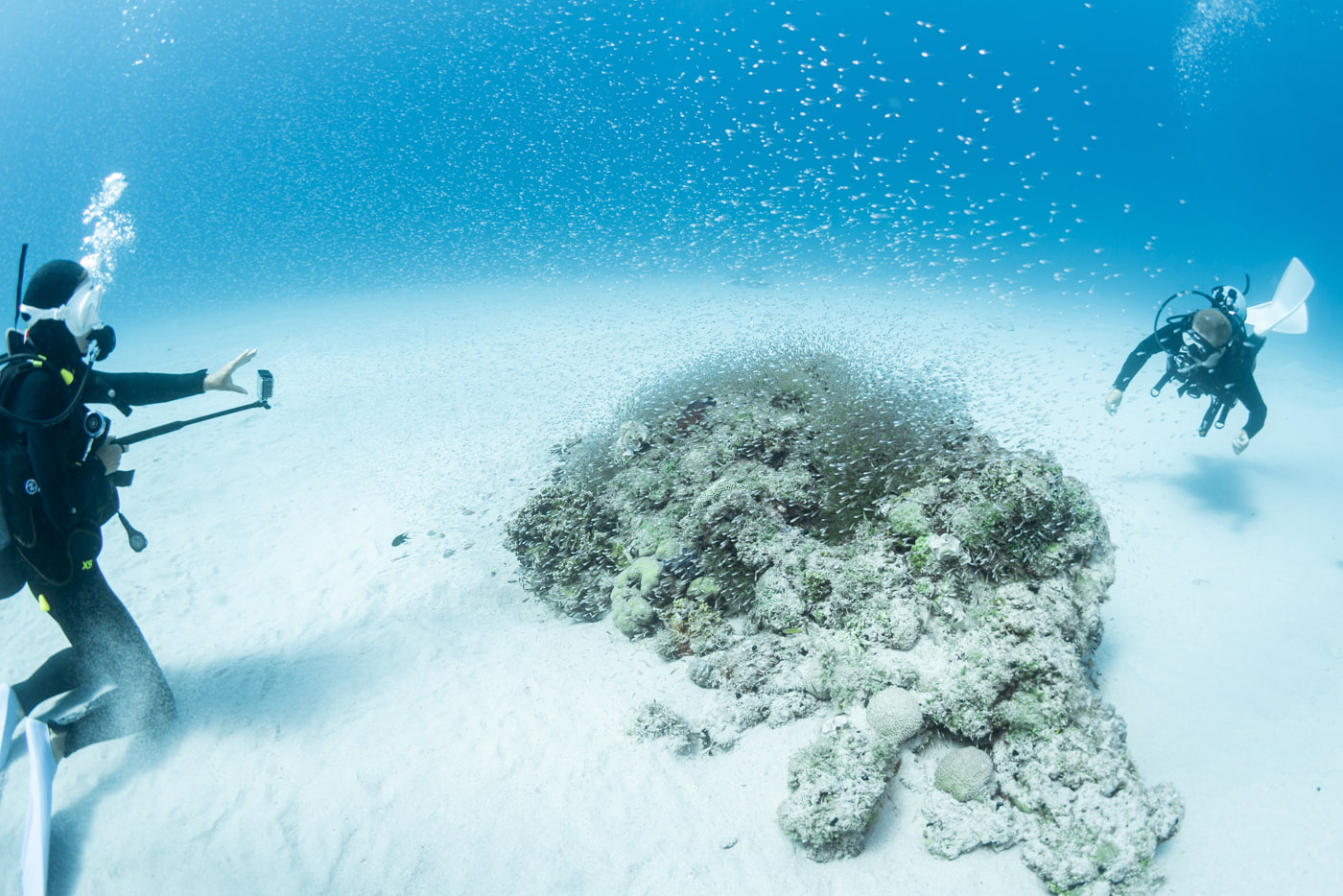
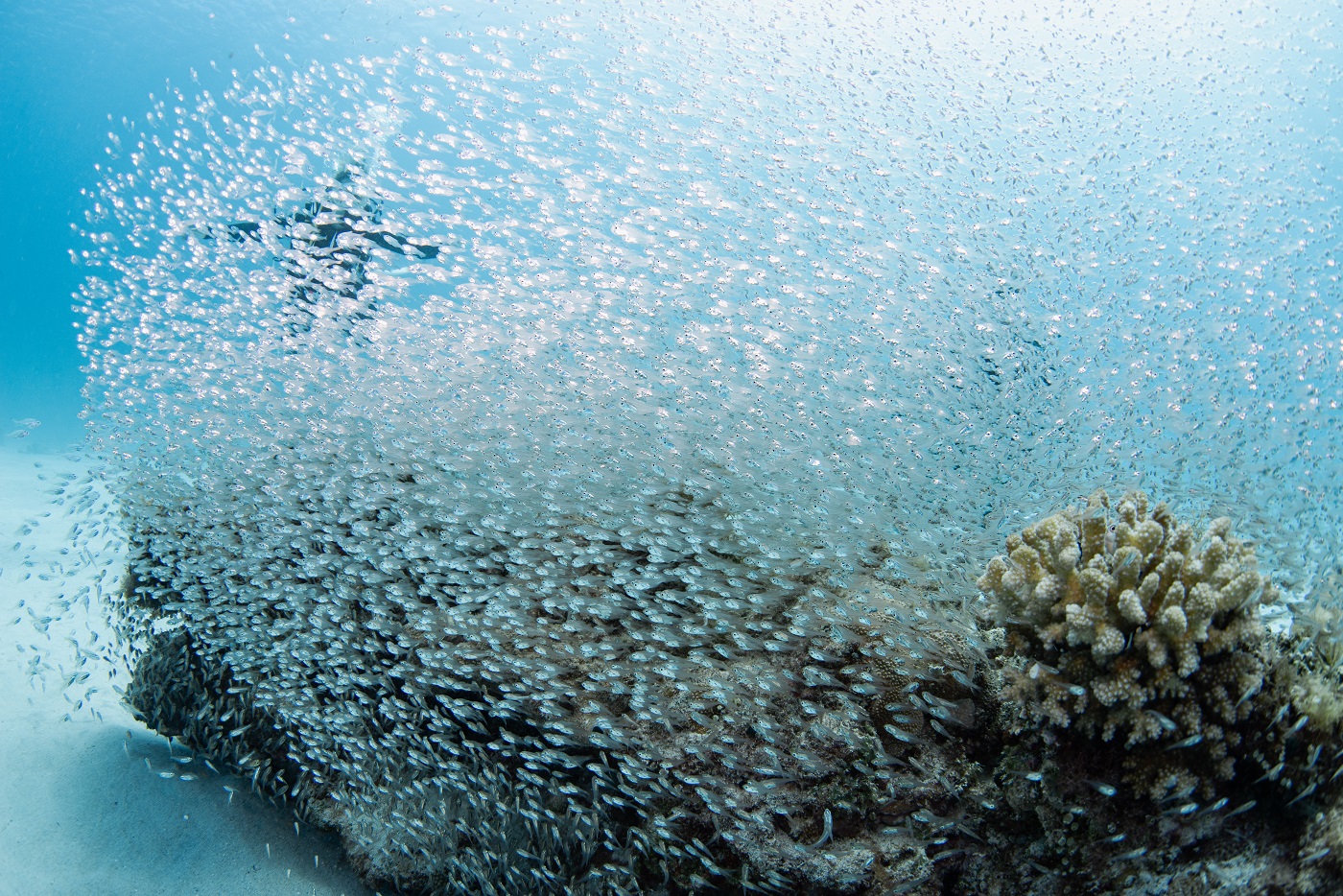
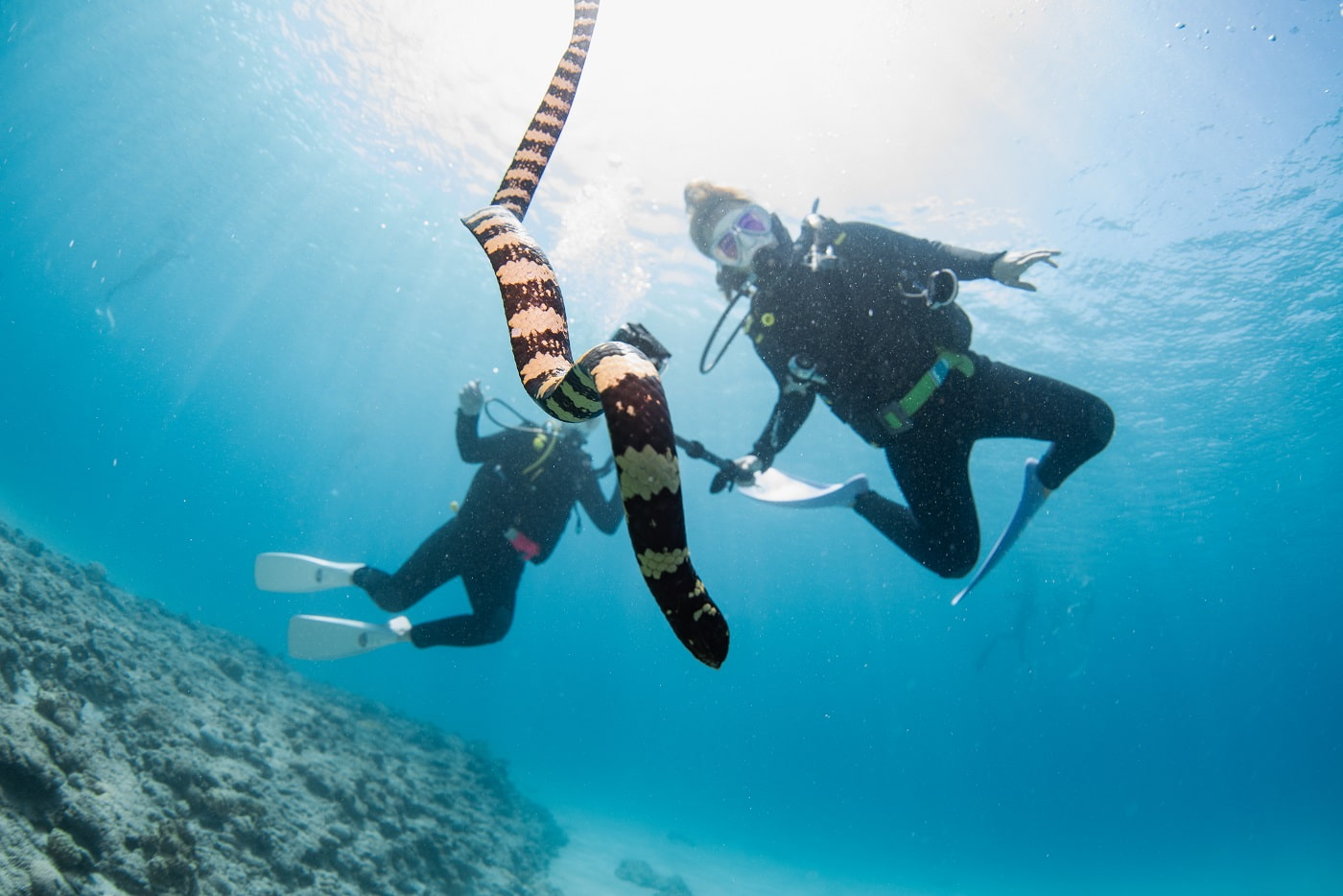
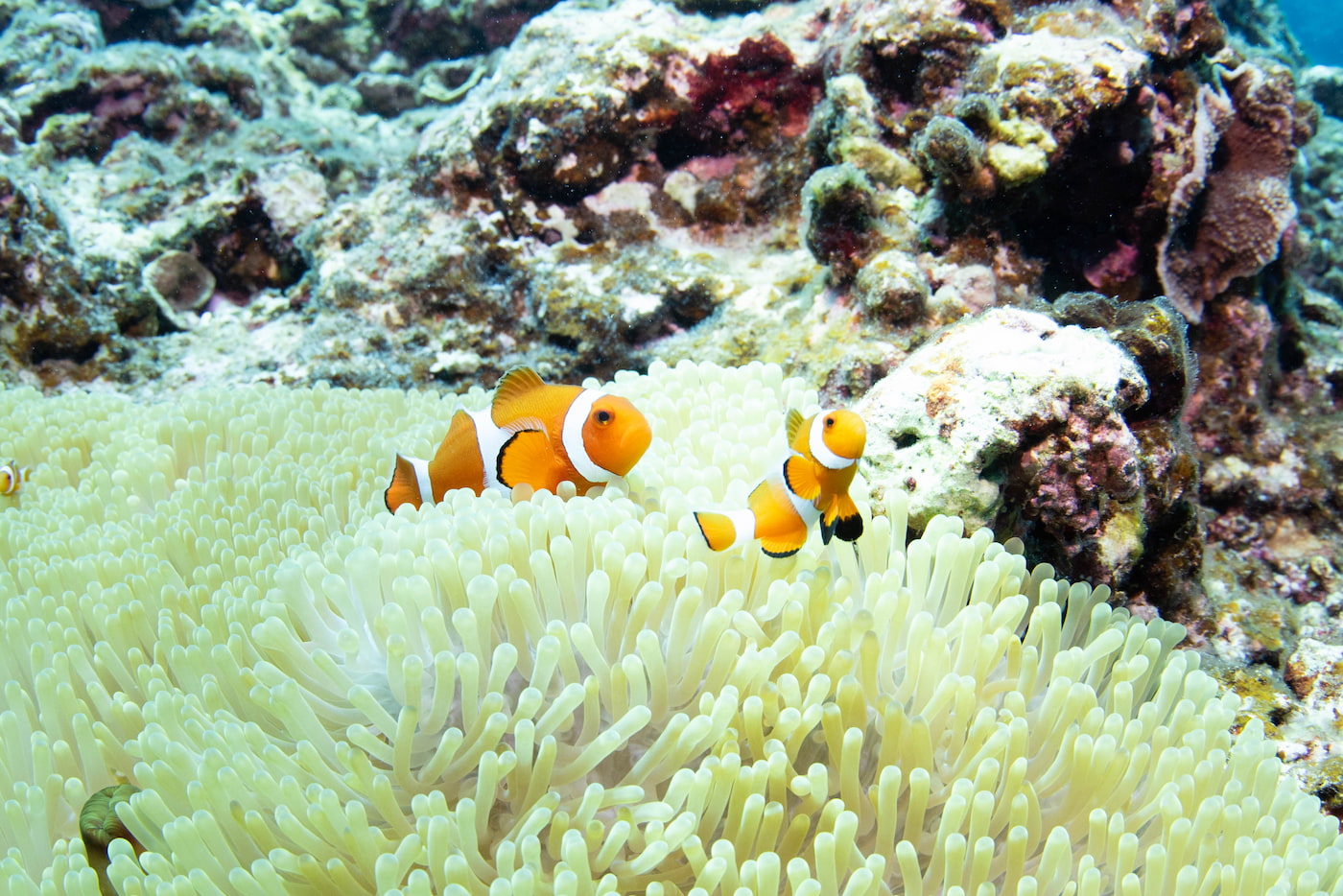
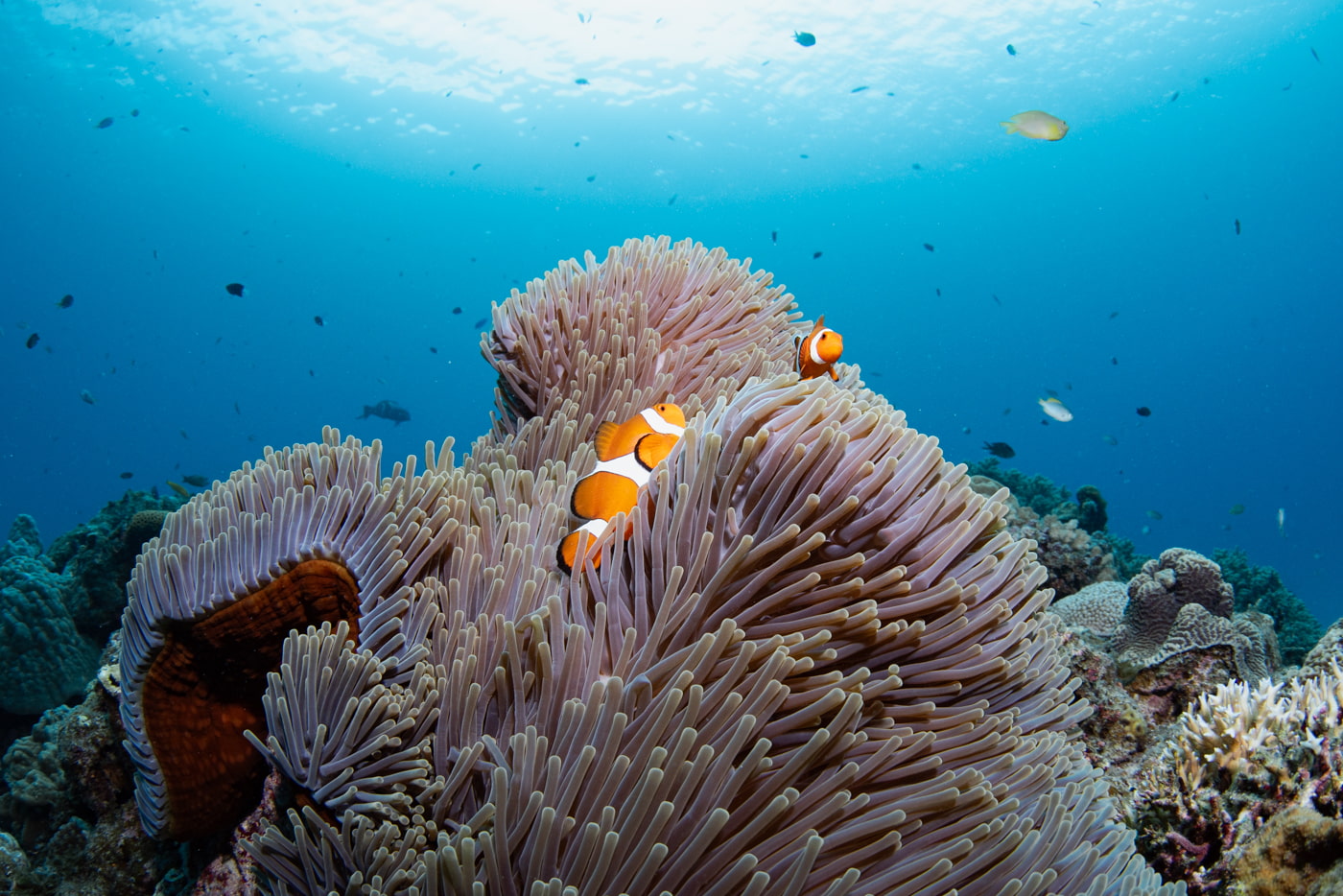
On a small isolated coral mound in the sandy area, large schools of glassfish can be seen, along with many shrimp hiding among them. On the reef, divers can find three different species of clownfish. Further offshore, garden eels can also be observed living on the sandy bottom.
Current: ★☆☆☆☆ (None to Very Weak)
Visibility: ★★★★★
Difficulty: ★☆☆☆☆
Average Depth: 8–17 m
Best Wind Direction: North
Touma No. 2 (Zamami Island)
A dive site featuring both sandy bottom and reef areas. The depth is relatively shallow, and on sunny days, beautiful rays of sunlight shine through the water.
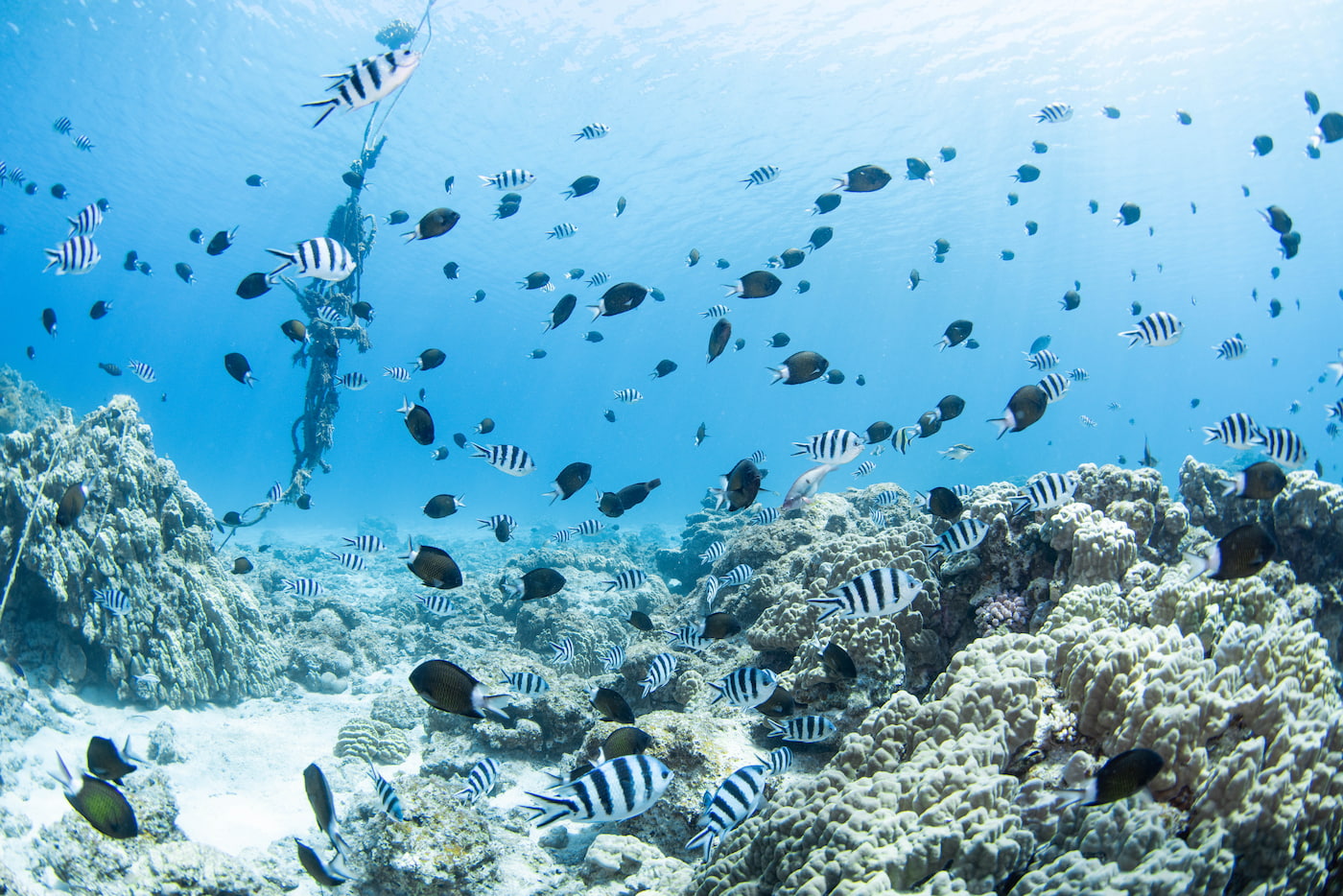
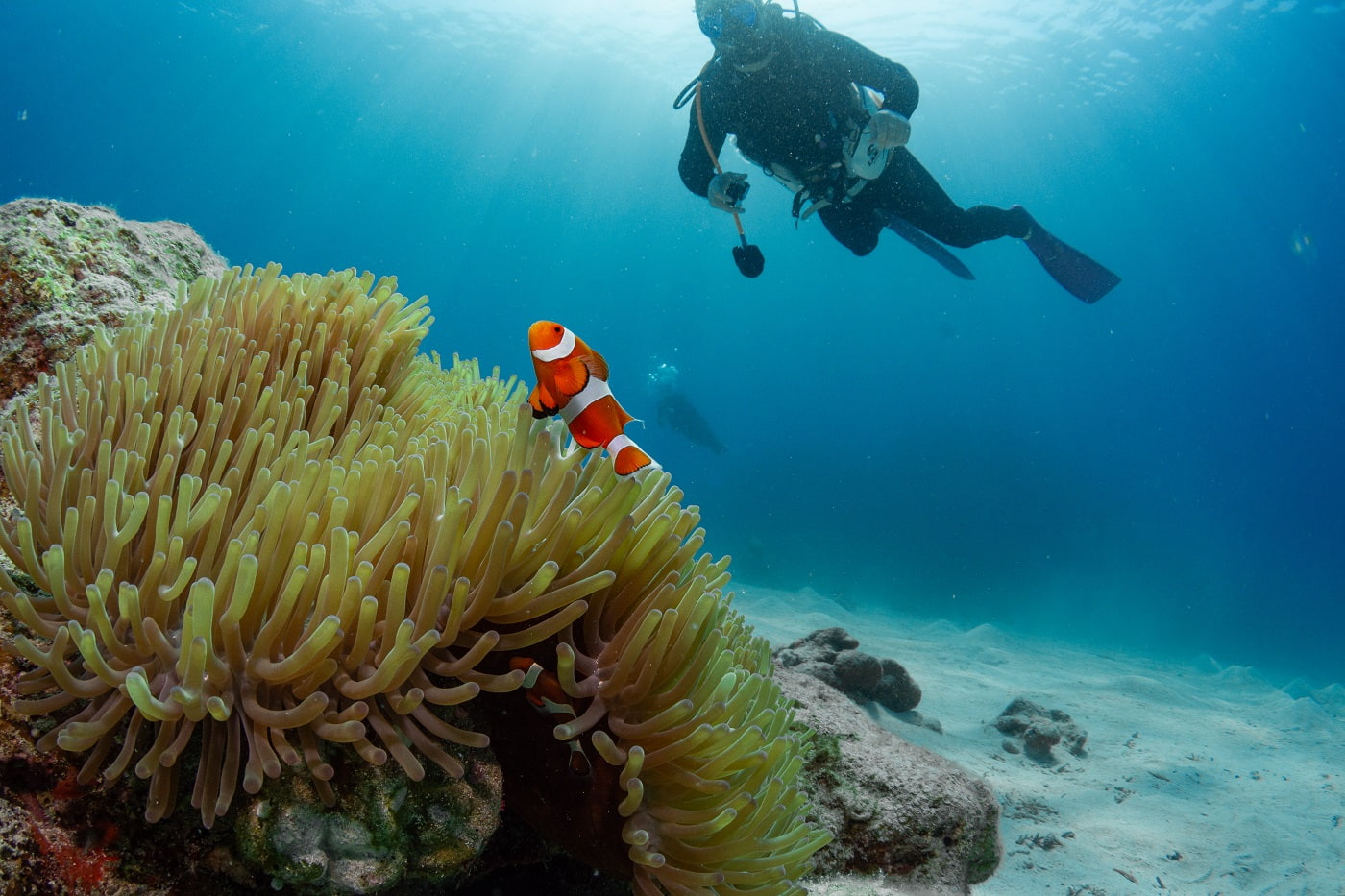
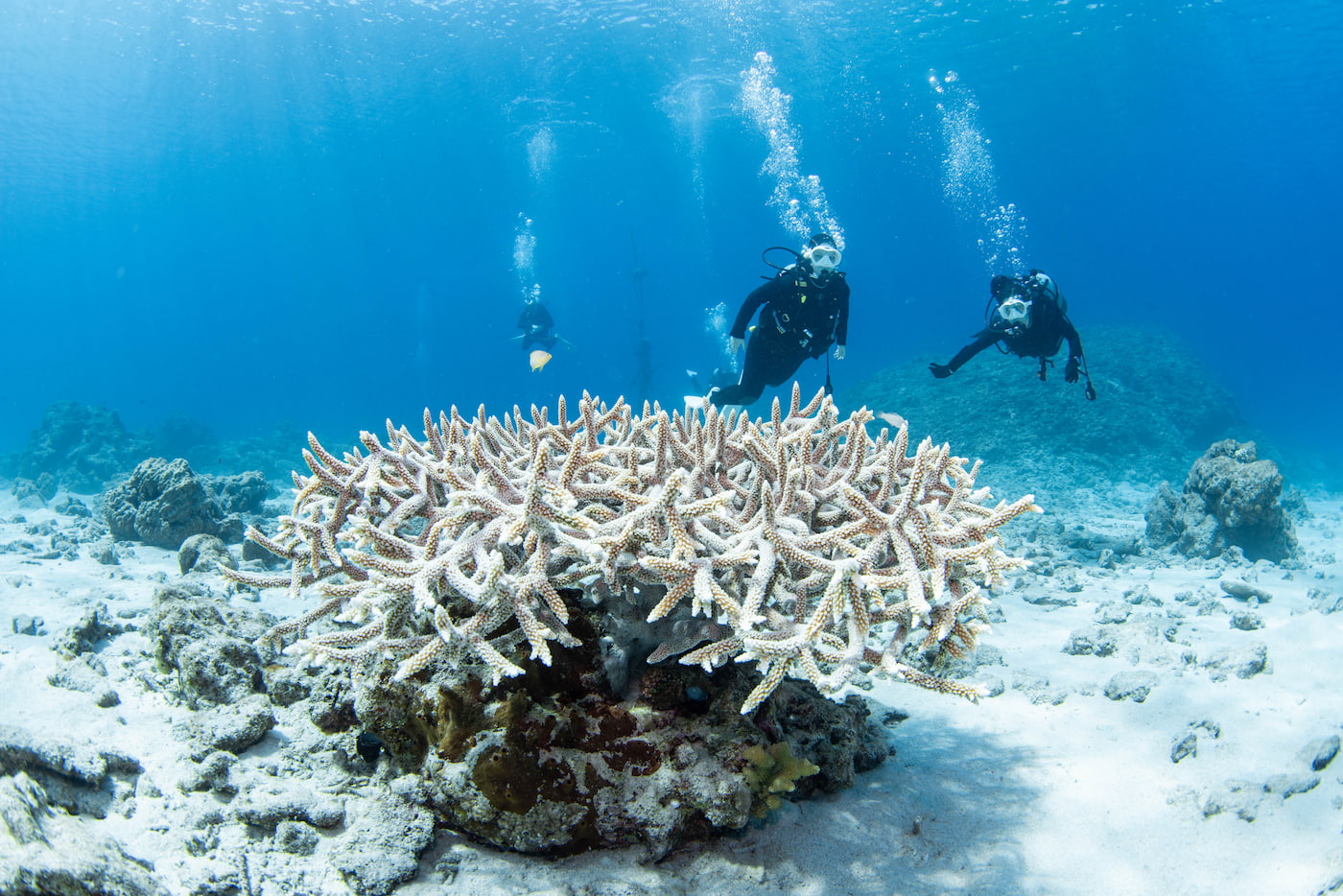
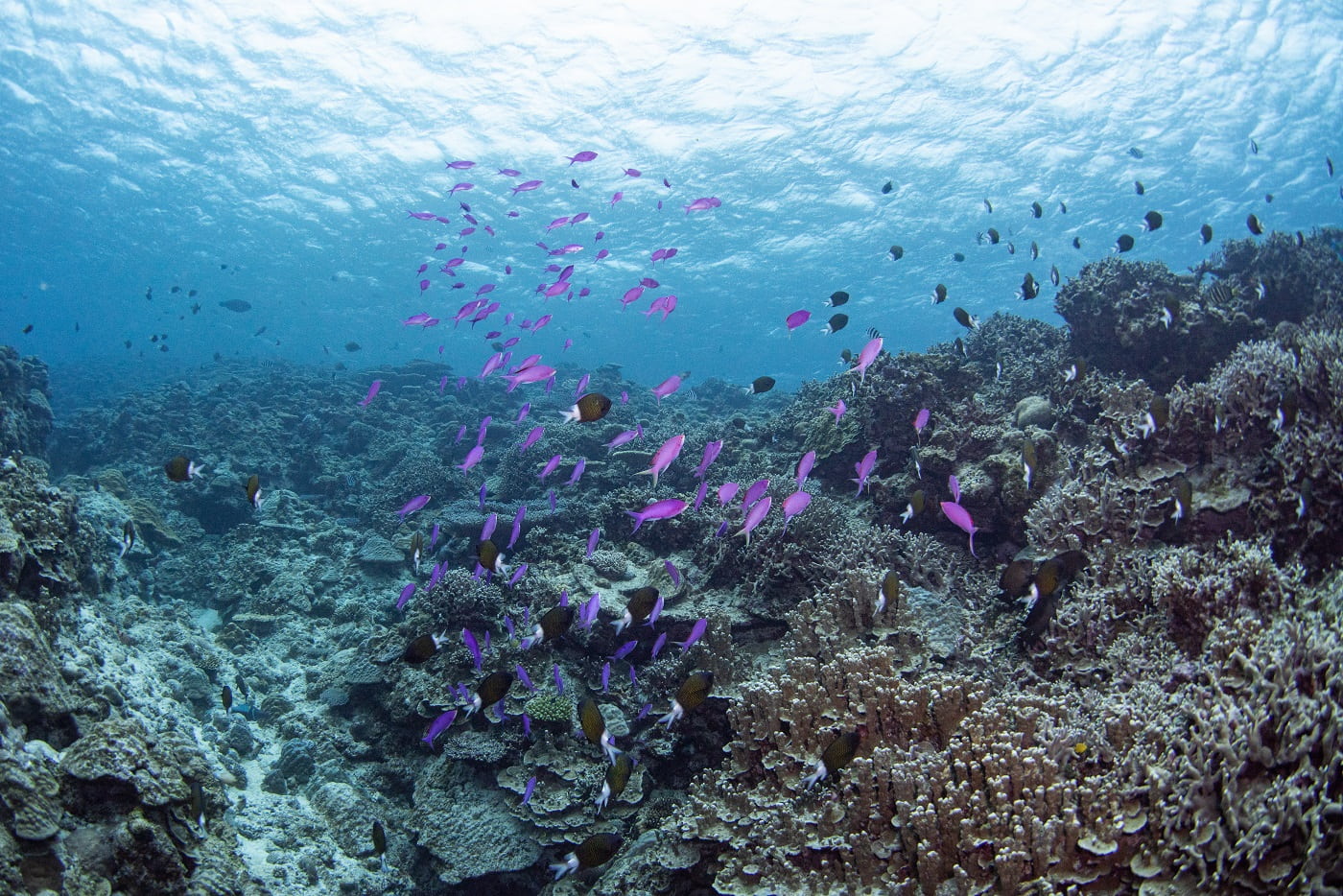
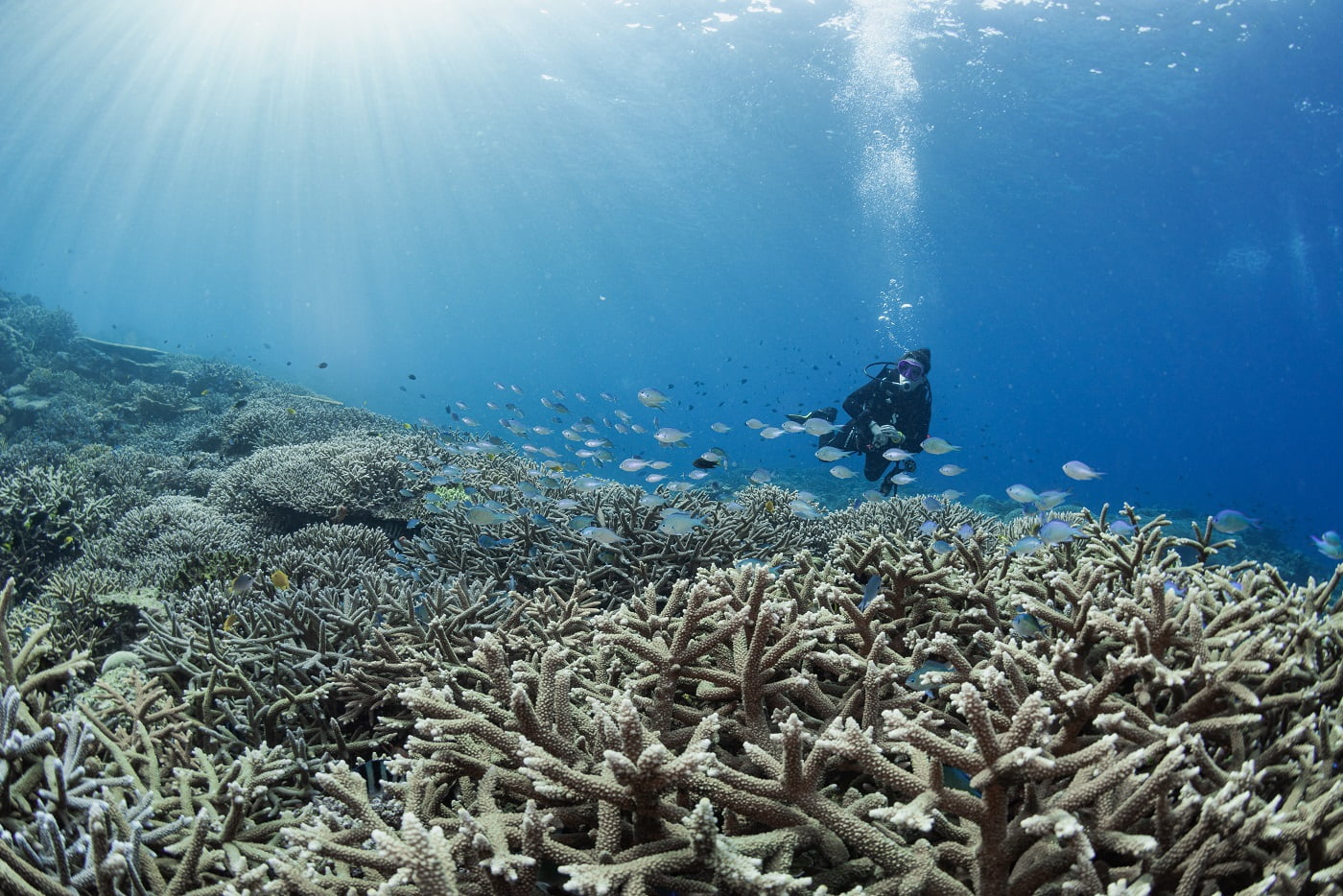
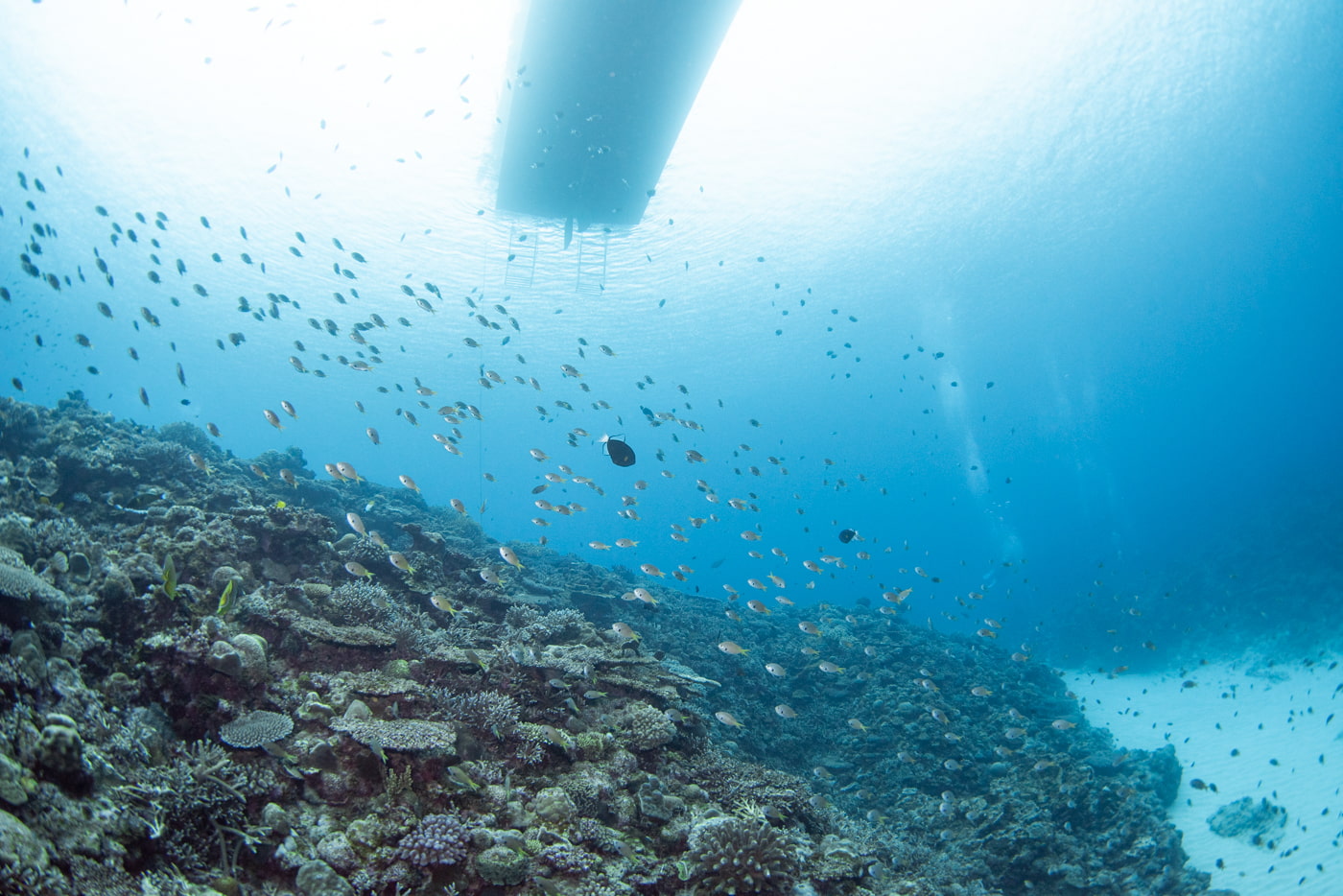
Marine life includes clownfish and garden eels. Offshore, there is a coral reef made of staghorn coral, where schools of damselfish and anthias can be seen. On the eastern reef, large schools of damselfish gather, and if you look carefully, you may also find nudibranchs.
The site has a relaxed atmosphere, making it ideal for slow-paced diving while observing marine life. It is also suitable for less experienced divers. In addition, it is resistant to northerly winds, allowing diving even on strong winter north wind days. It is often combined with dives at Dragon Lady.
Current: ★☆☆☆☆ (None to Very Weak)
Visibility: ★★★★★
Difficulty: ★☆☆☆☆
Average Depth: 8–17 m
Best Wind Direction: North
Cape No. 6 (Zamami Island)
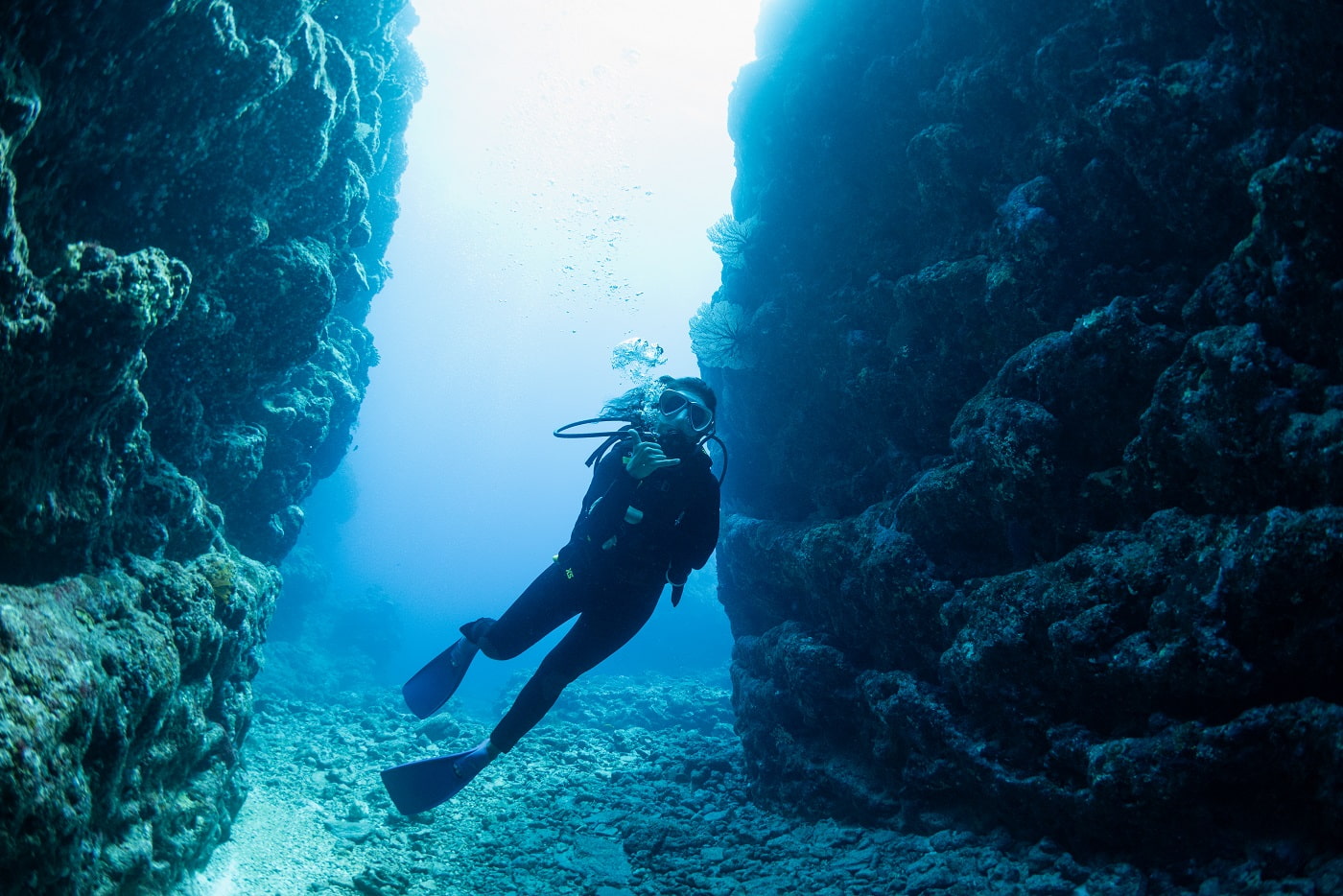
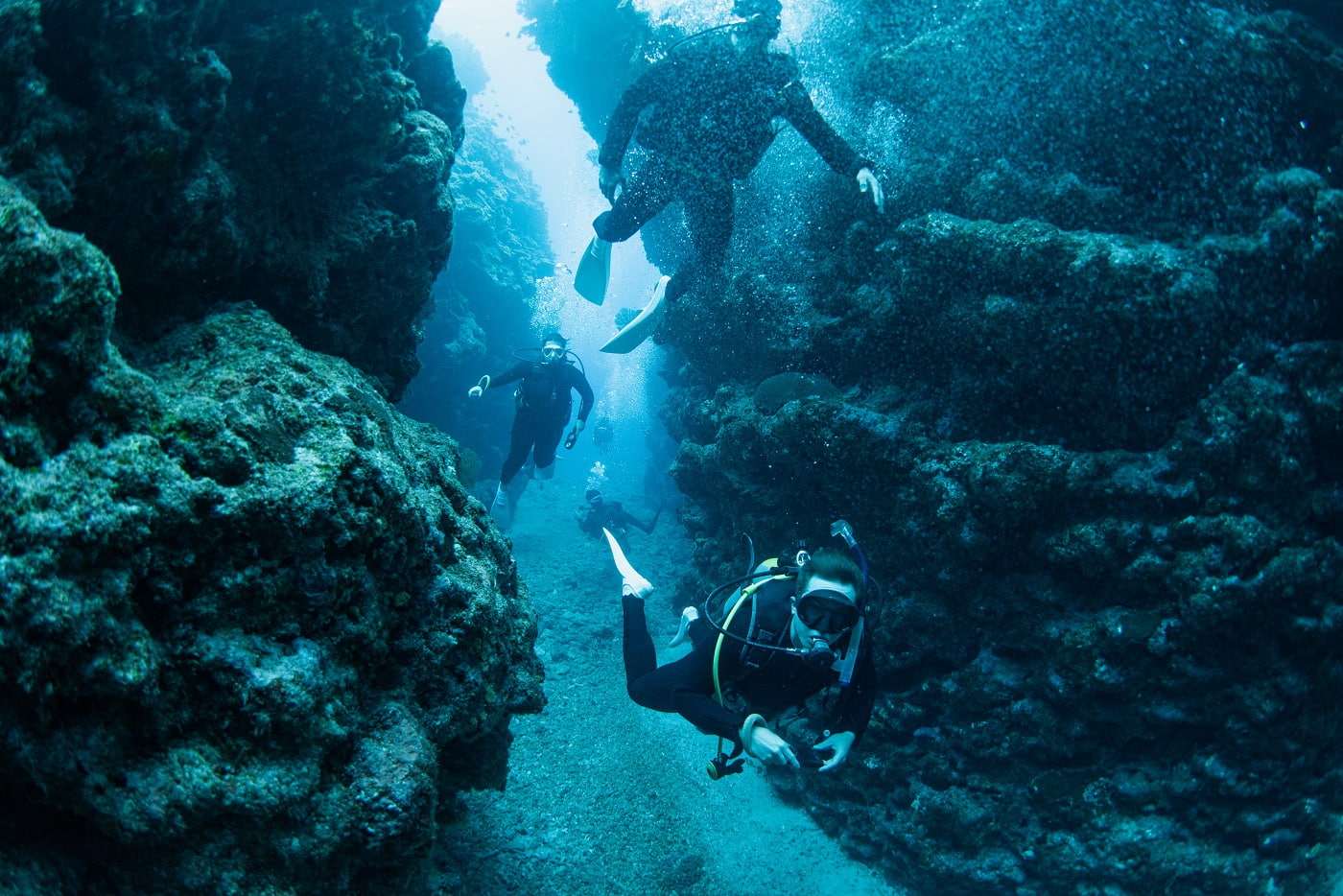
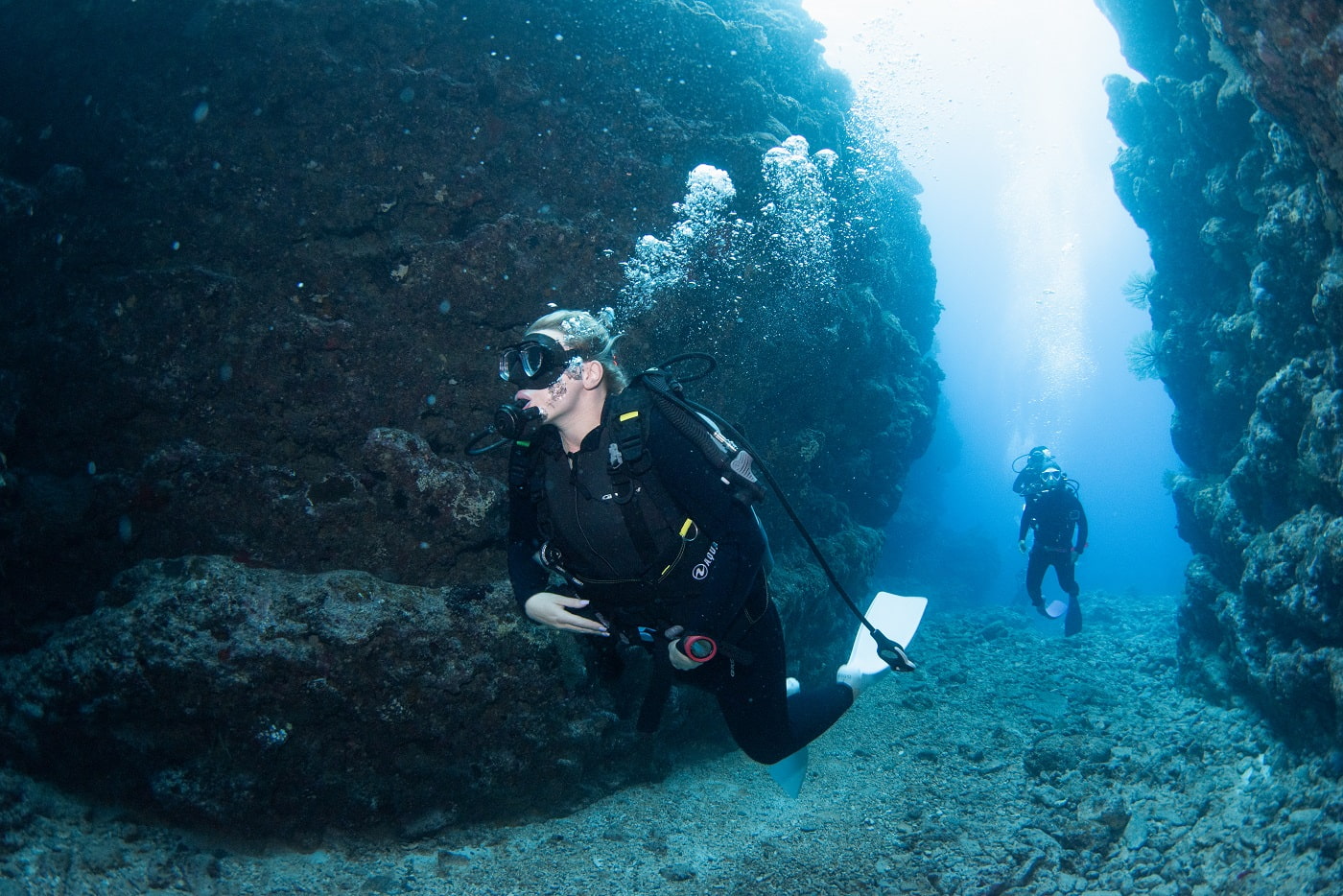
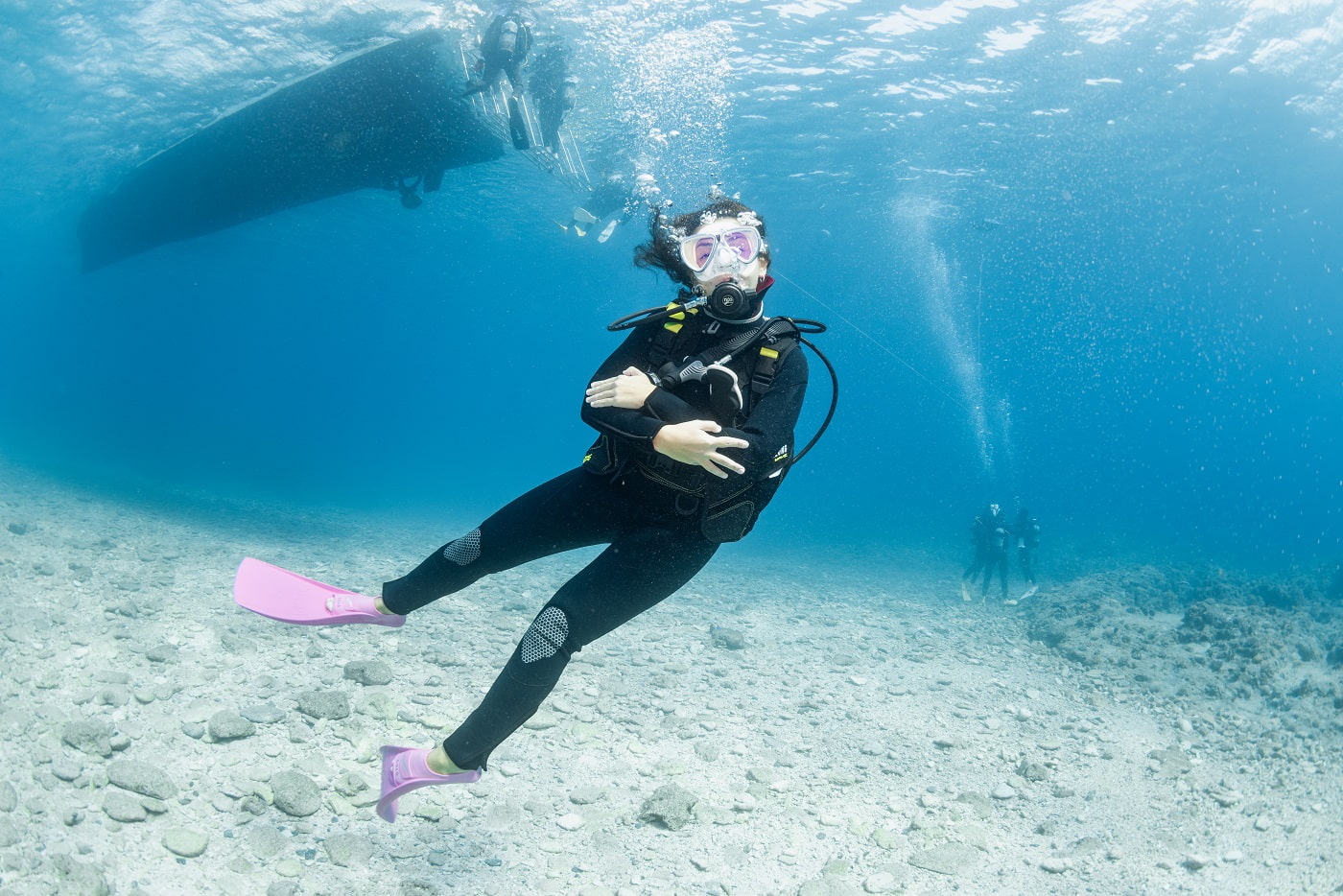
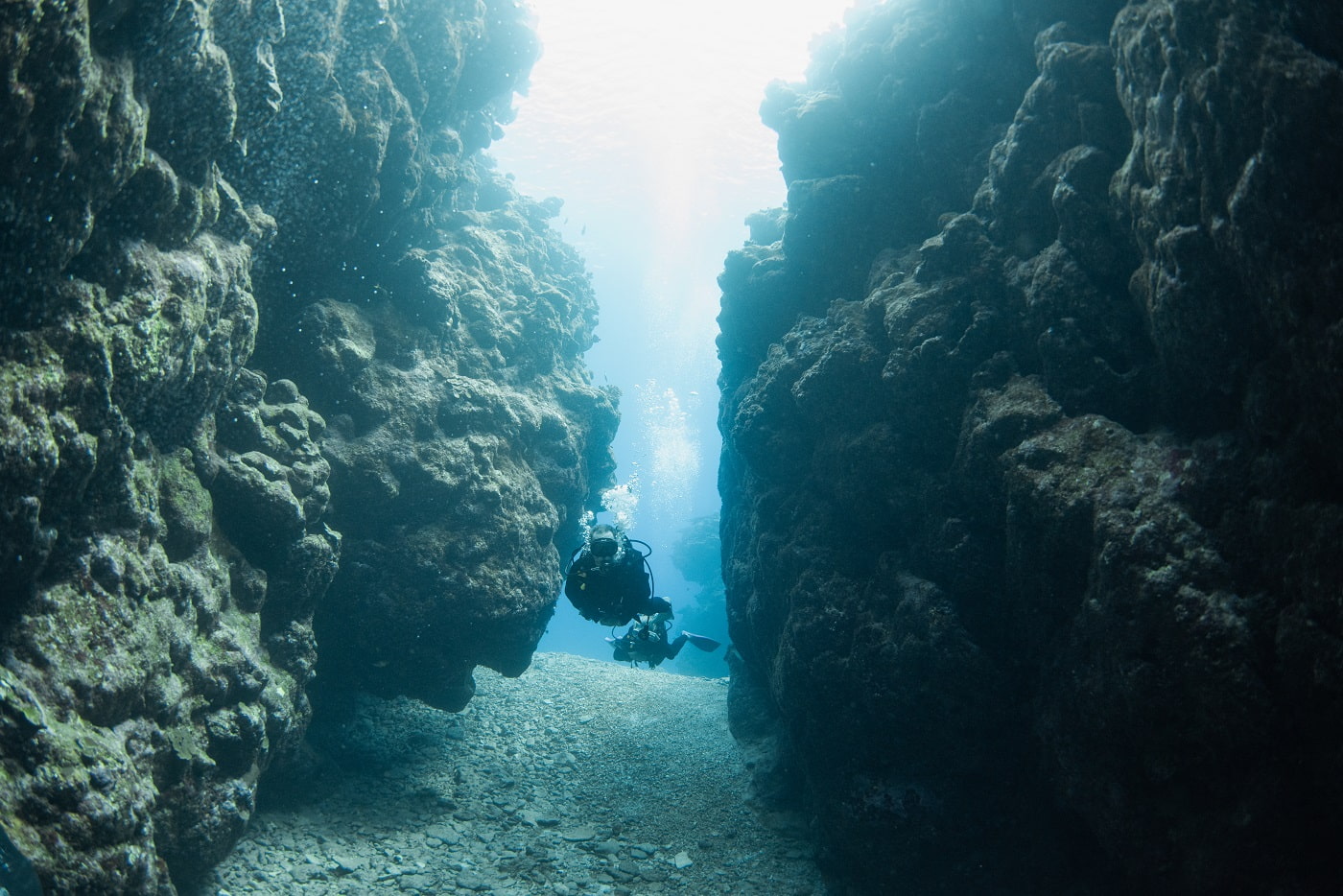
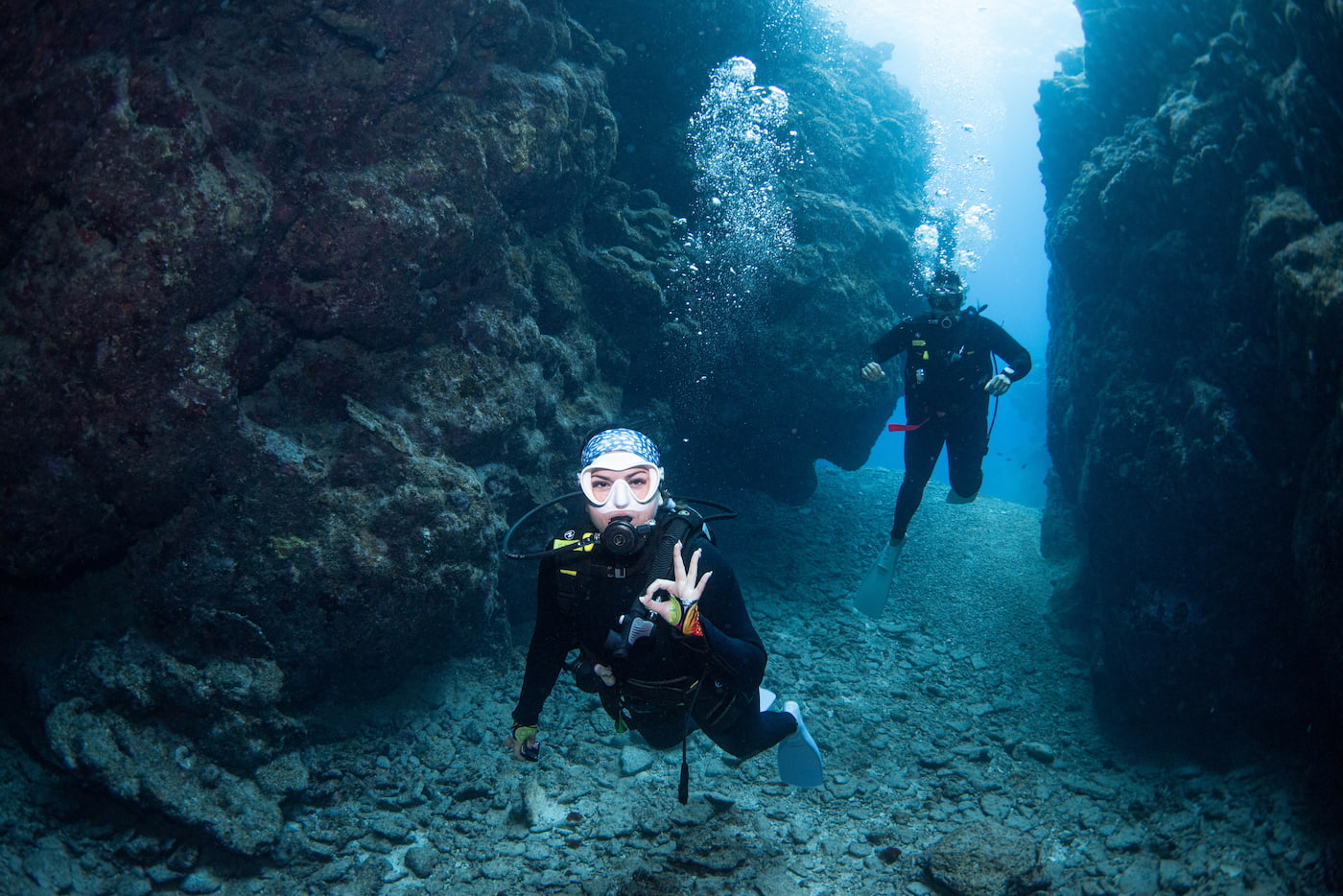
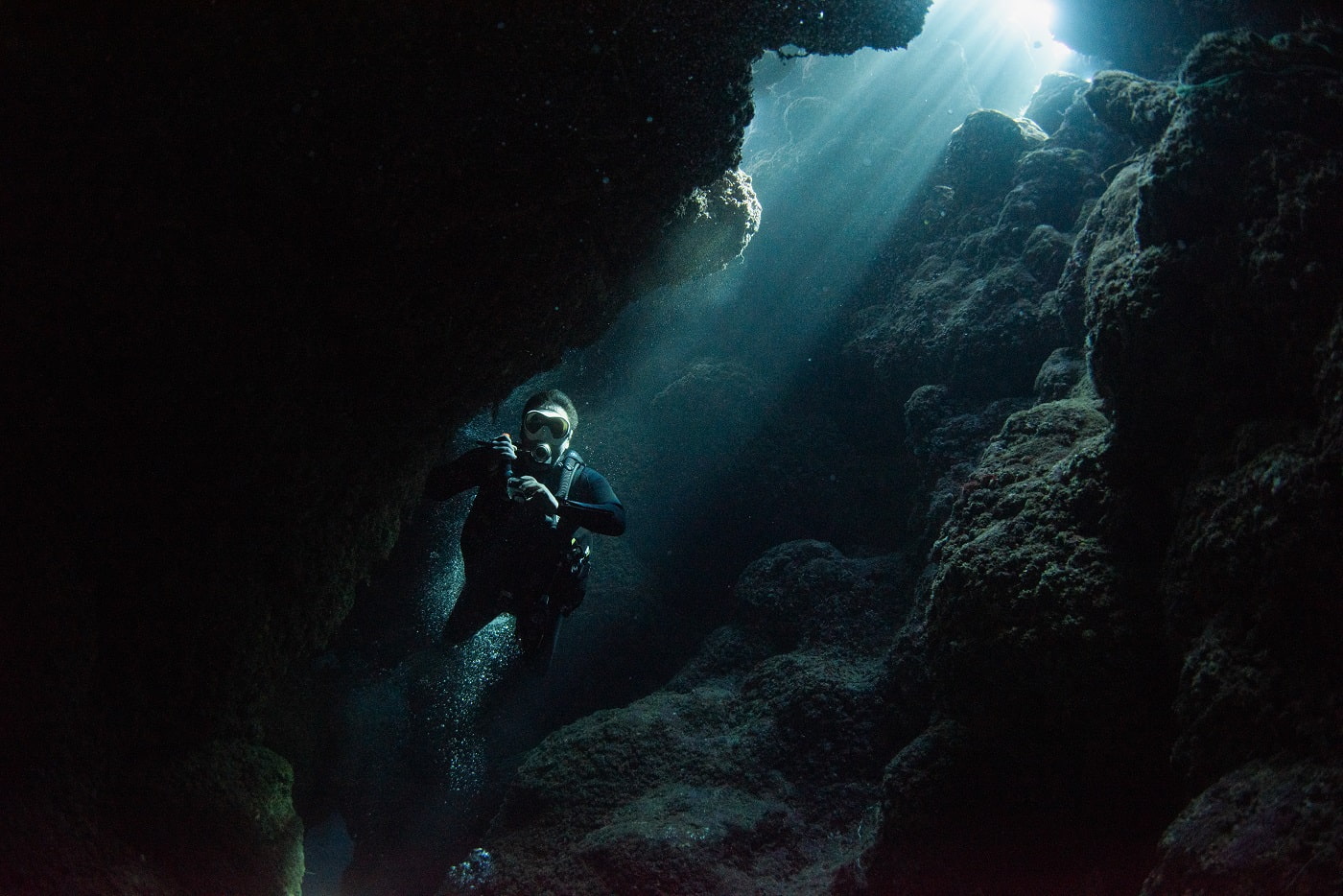
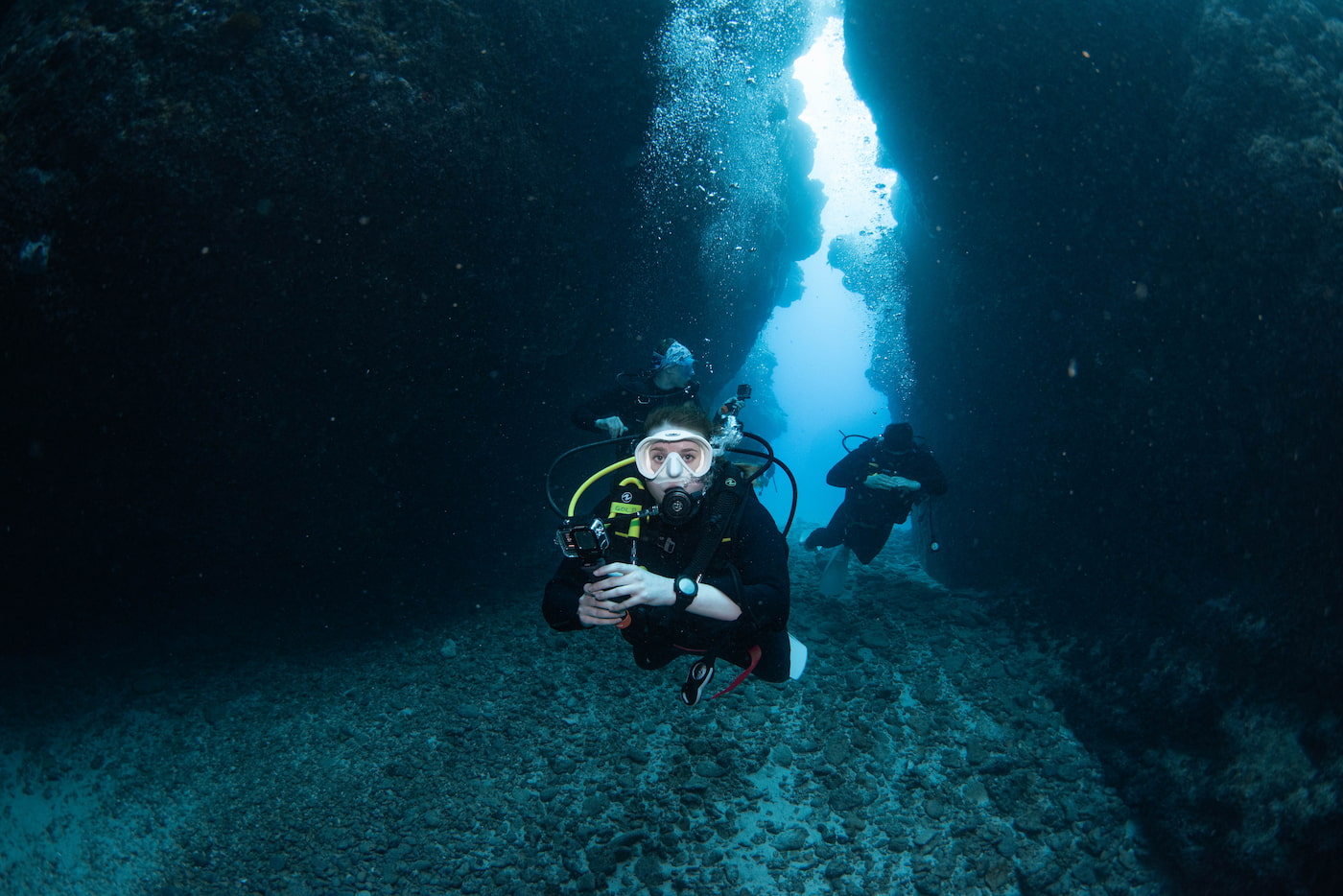
A dive site known for its swim-through caves and narrow crevices, which are the main highlights of the dive. The dive typically begins with exploring the cave before continuing with a relaxed dive along the reef.
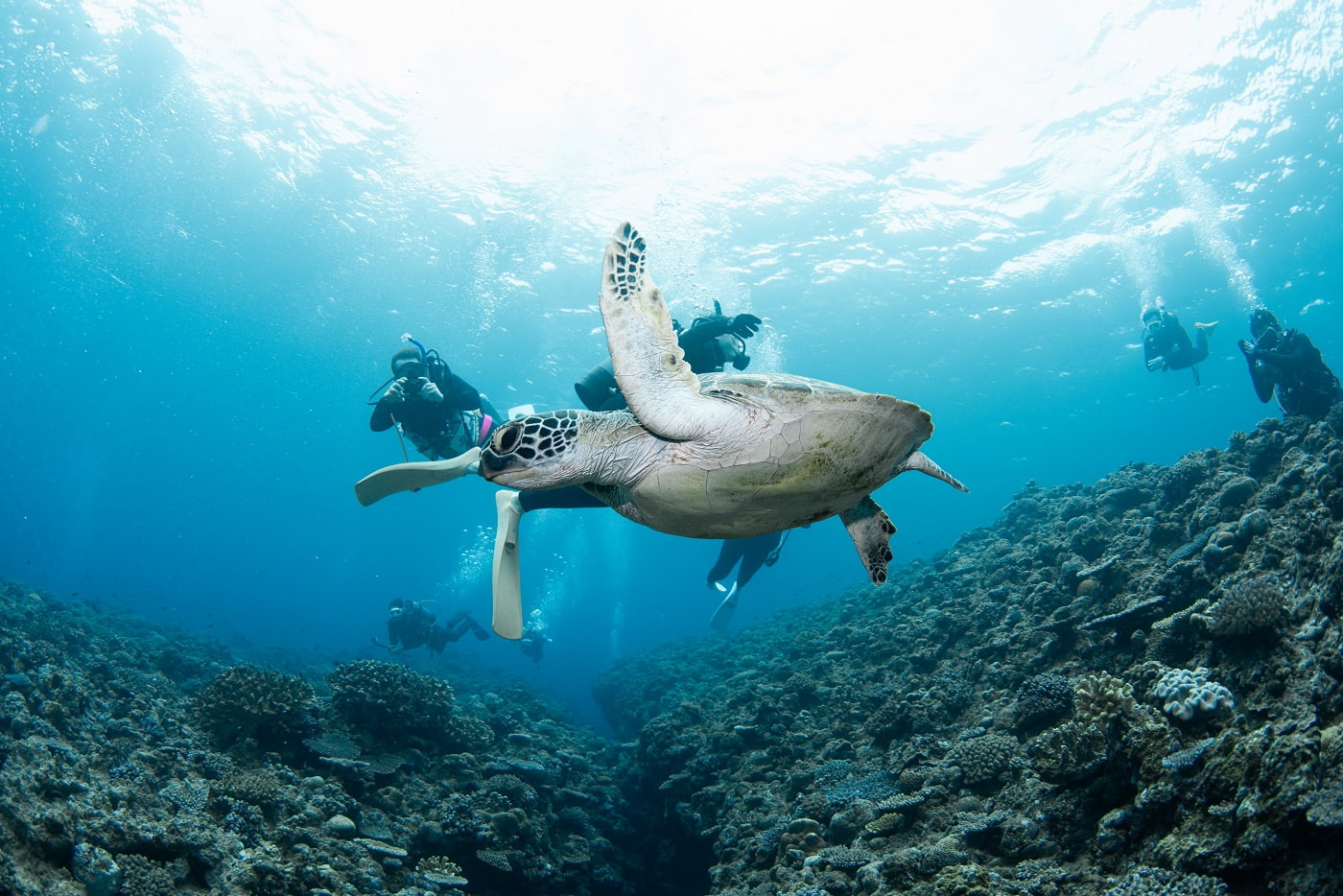
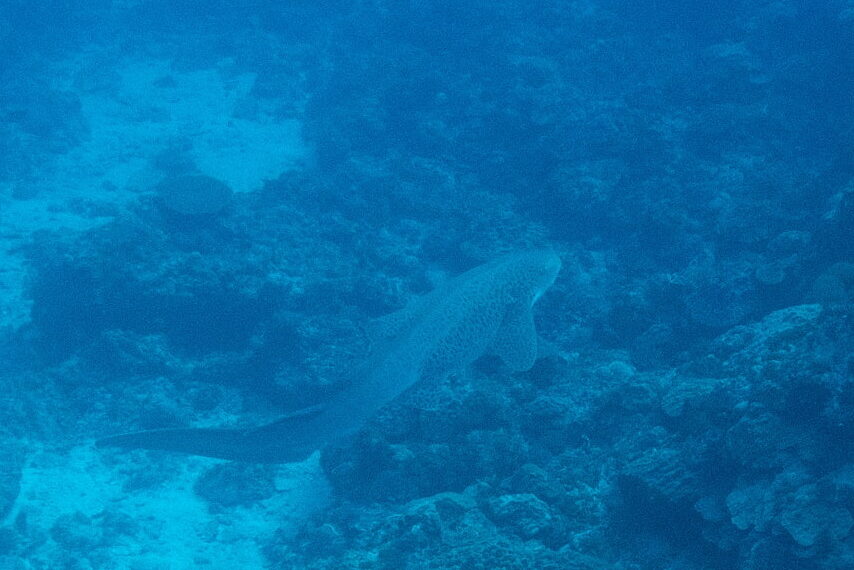
A large sea fan coral can be found near the entrance to the cave. Sea turtles are occasionally seen here, and rare shark sightings, including zebra sharks, have been recorded in the past.
The site is well sheltered from south to southwest winds, making it a popular choice during spring and summer. It is suitable for less experienced divers, although a mild current is sometimes present. In most cases, the conditions are comfortable for divers of all experience levels.
Current: ★★☆☆☆ (None to Very Weak)
Visibility: ★★★★☆
Difficulty: ★★☆☆☆
Average Depth: 8–17 m
Best Wind Direction: West
Cape No.7 (Zamami Island)
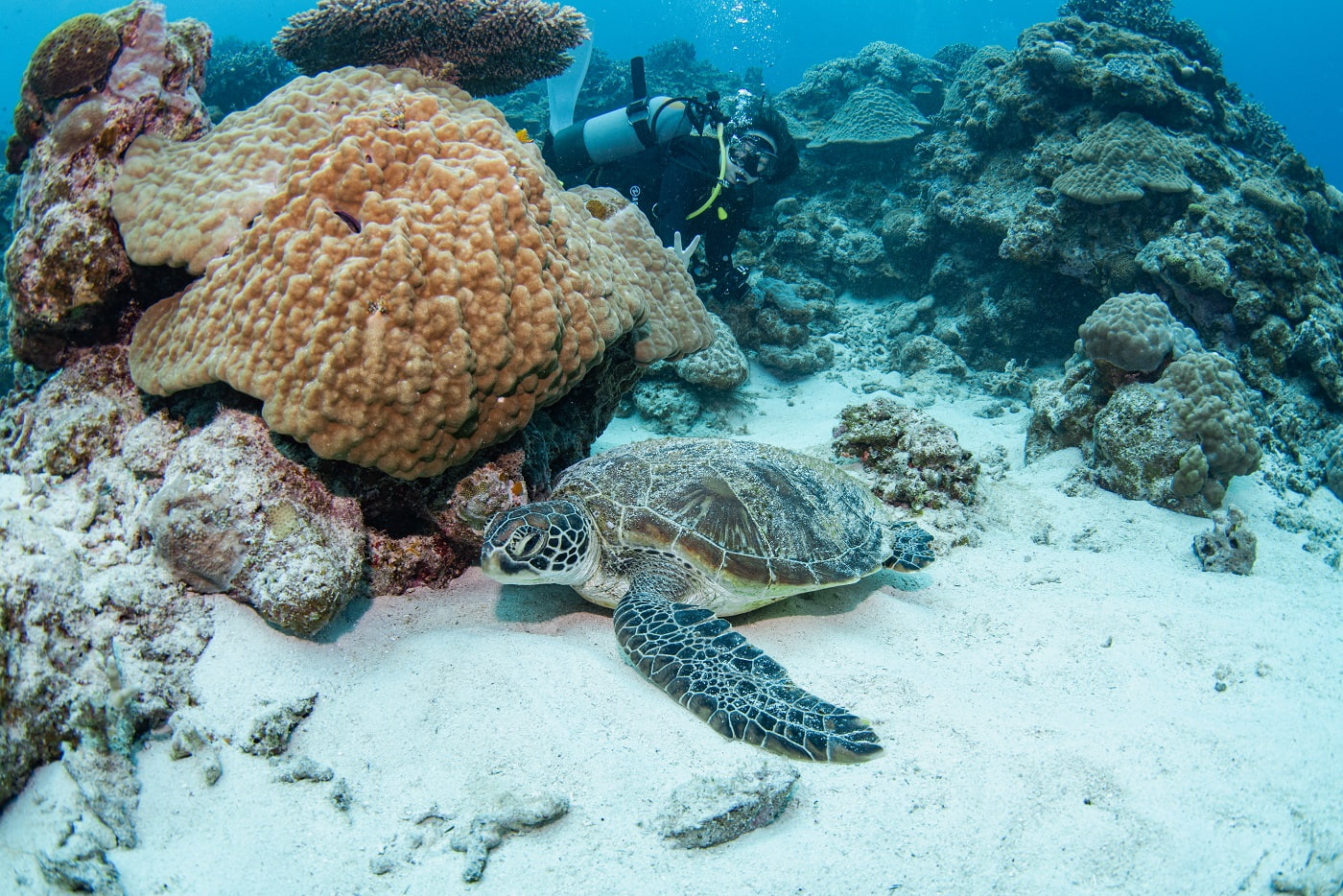
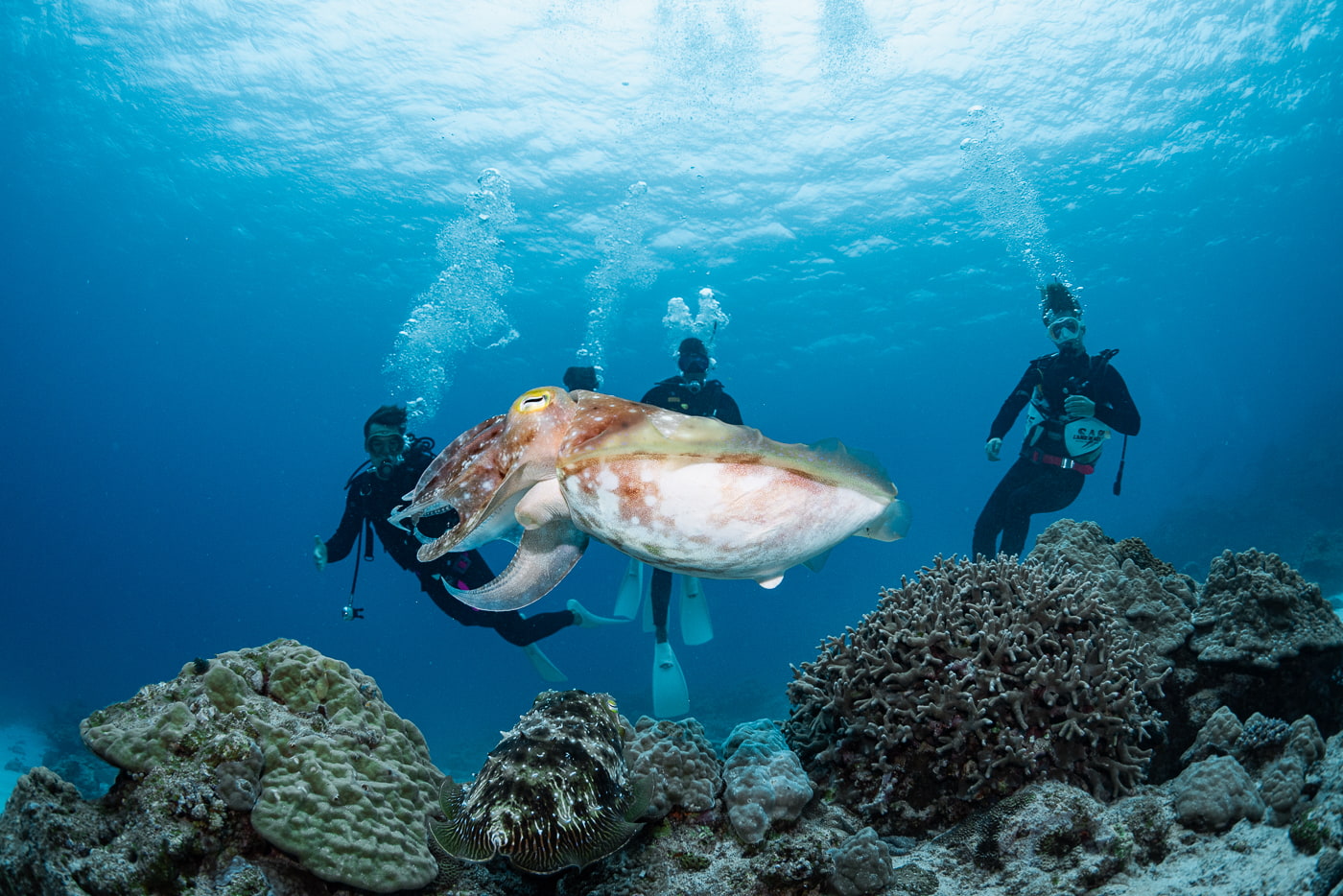
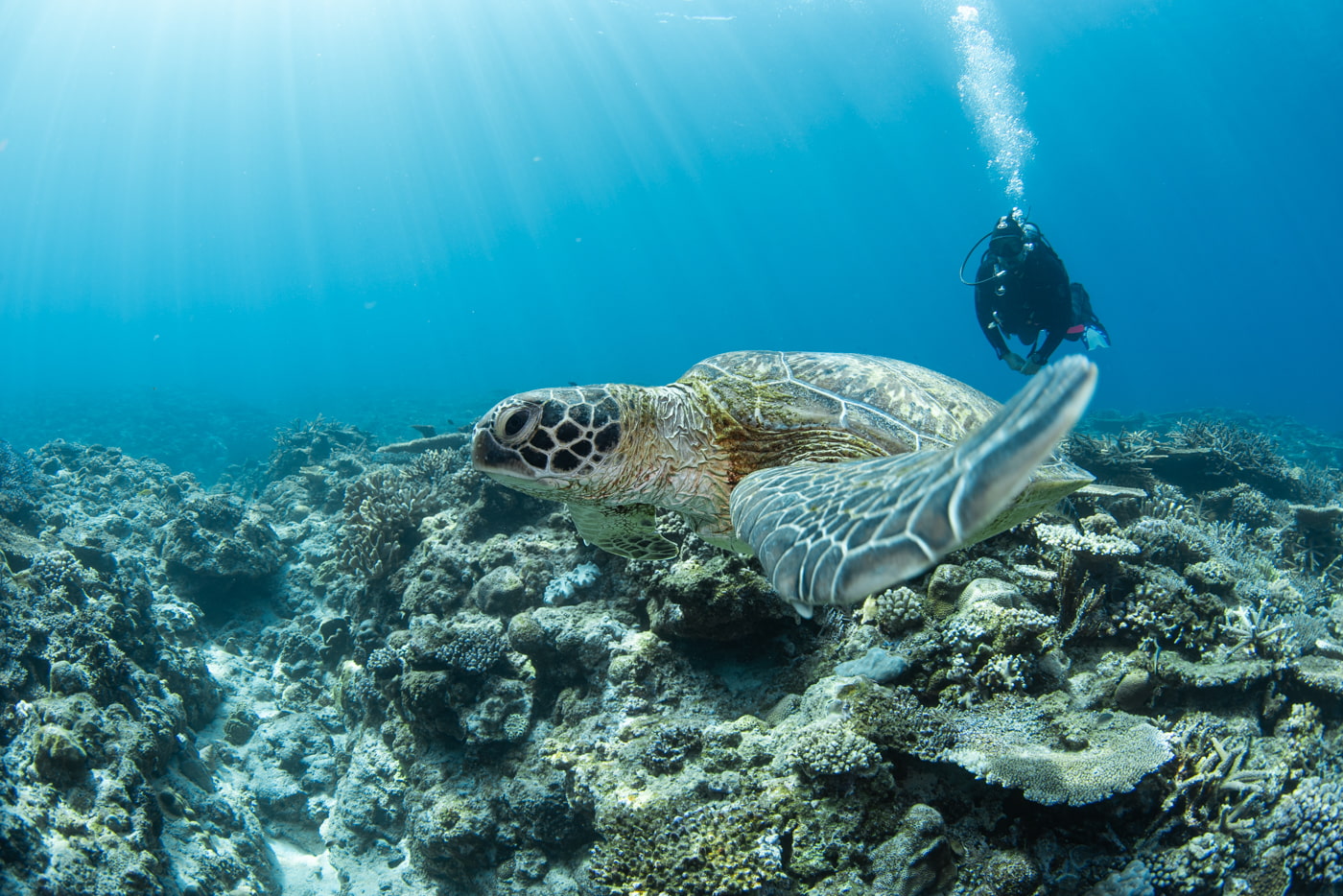
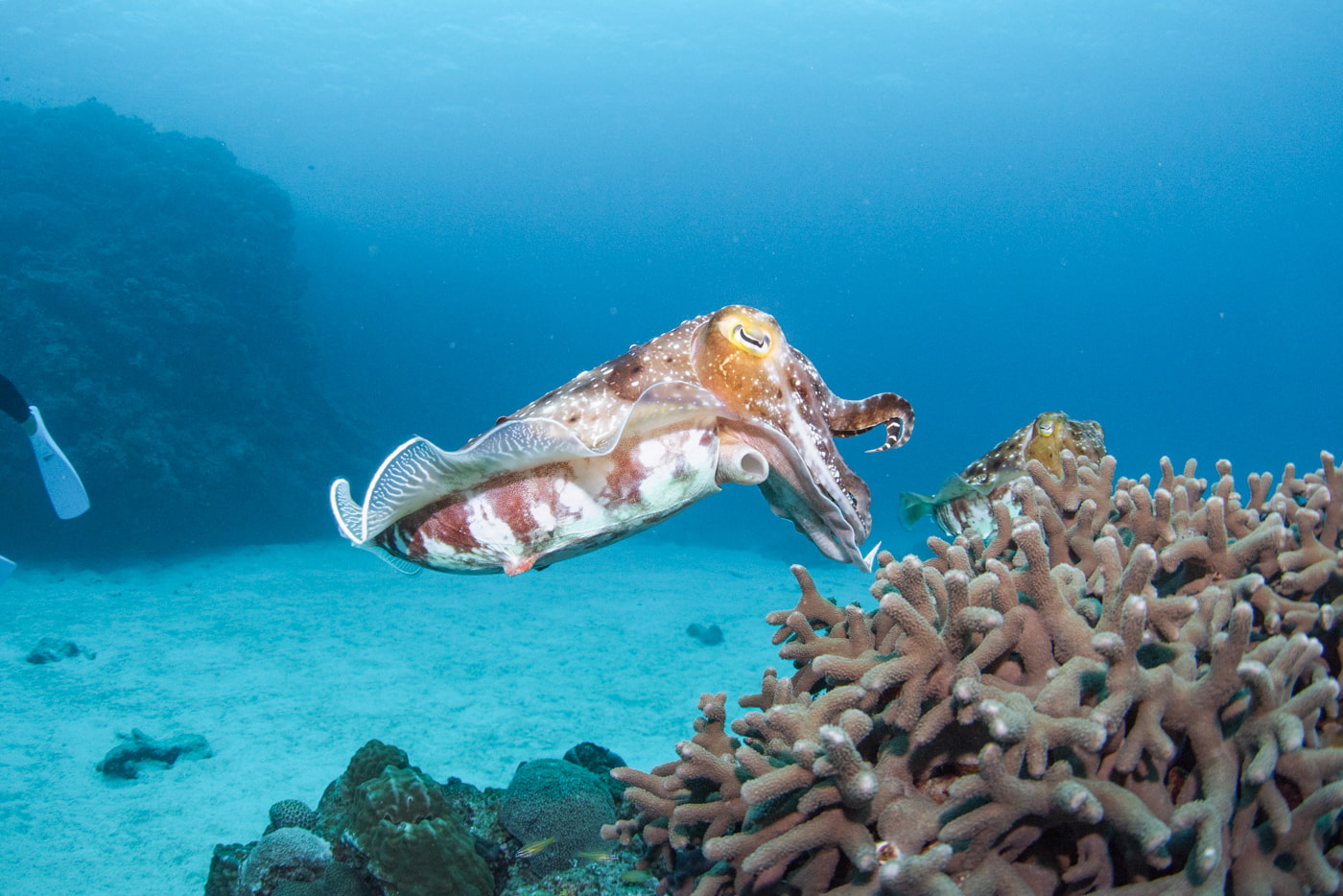
A reef dive site where divers can enjoy a relaxed dive along the reef. Green sea turtles are commonly seen here, and during spring, giant cuttlefish gather at the site to lay their eggs.
Although there can occasionally be a mild current, the site is generally suitable for divers of all levels, including beginners.
Current: ★☆☆☆☆ (None to Very Weak)
Visibility: ★★★★☆
Difficulty: ★☆☆☆☆
Average Depth: 8–17 m
Best Wind Direction: West
Chishi (Zamami Island)
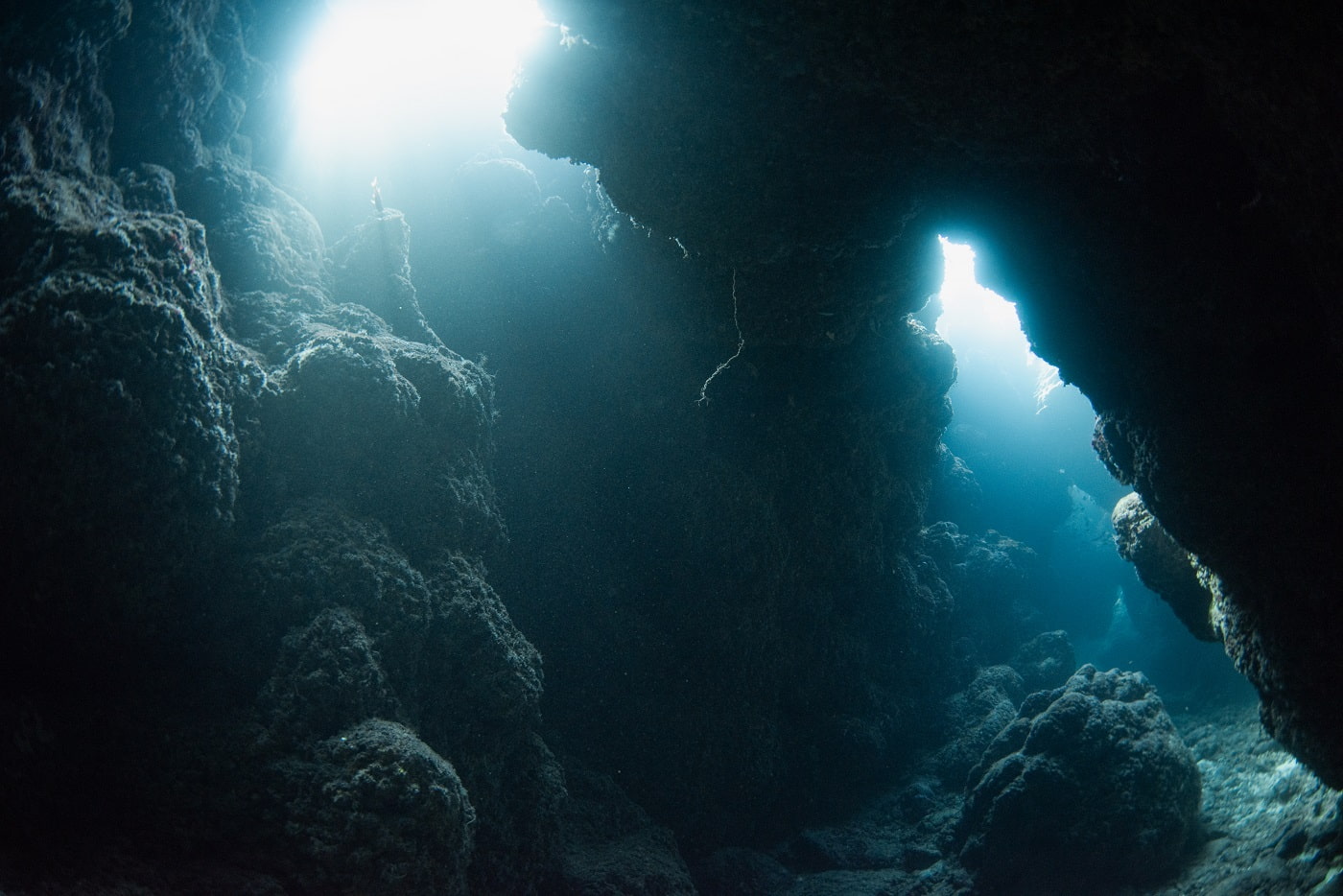
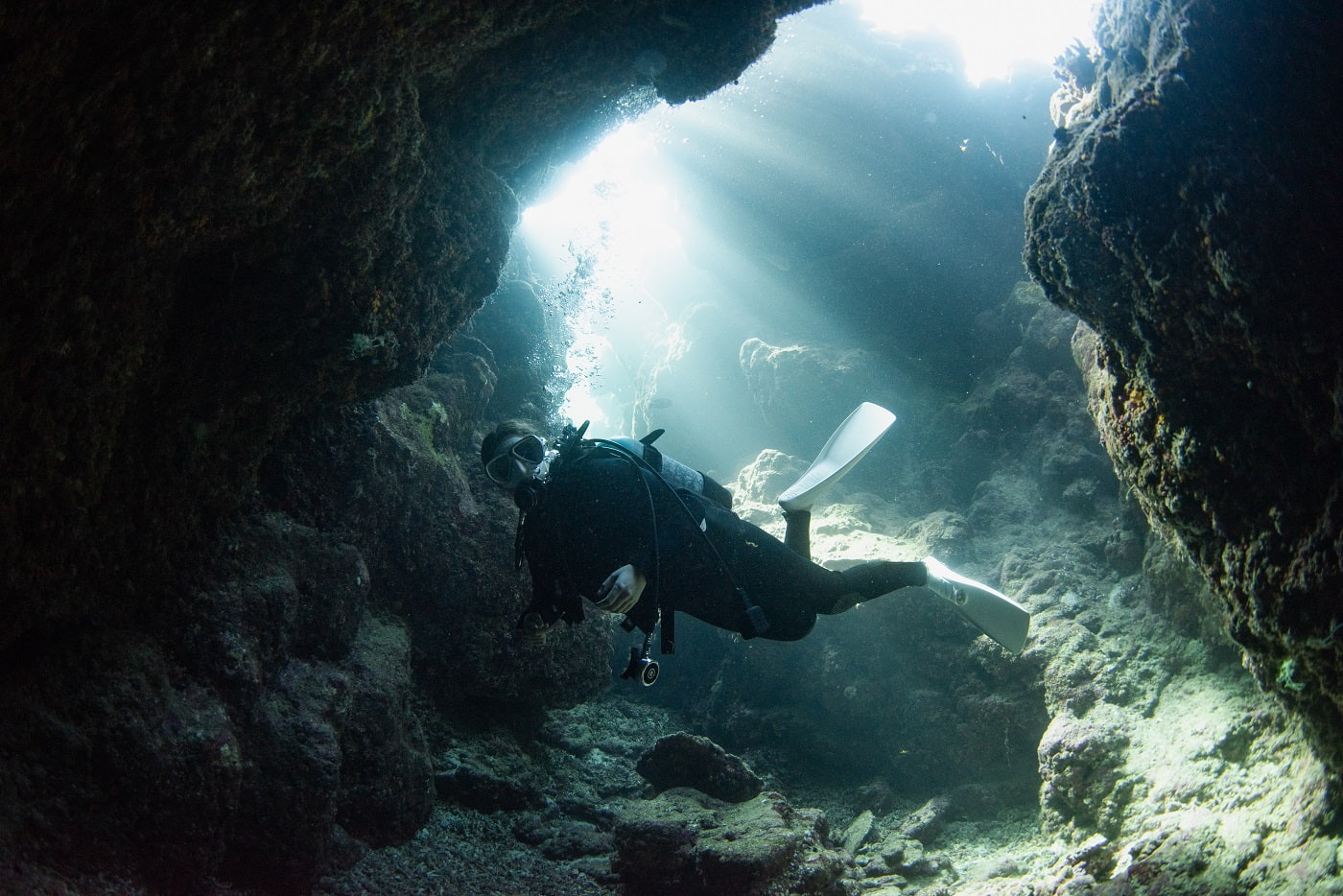
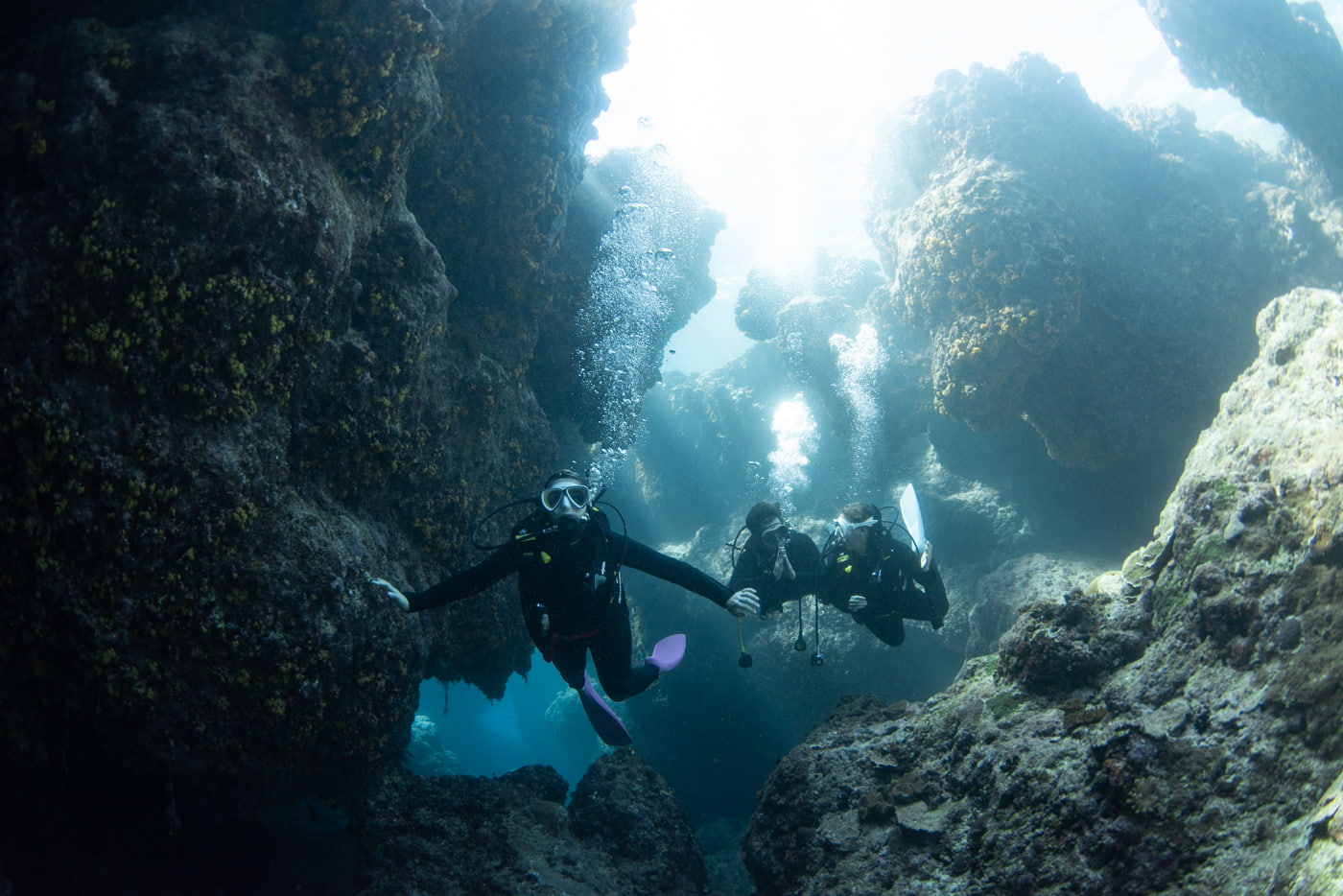
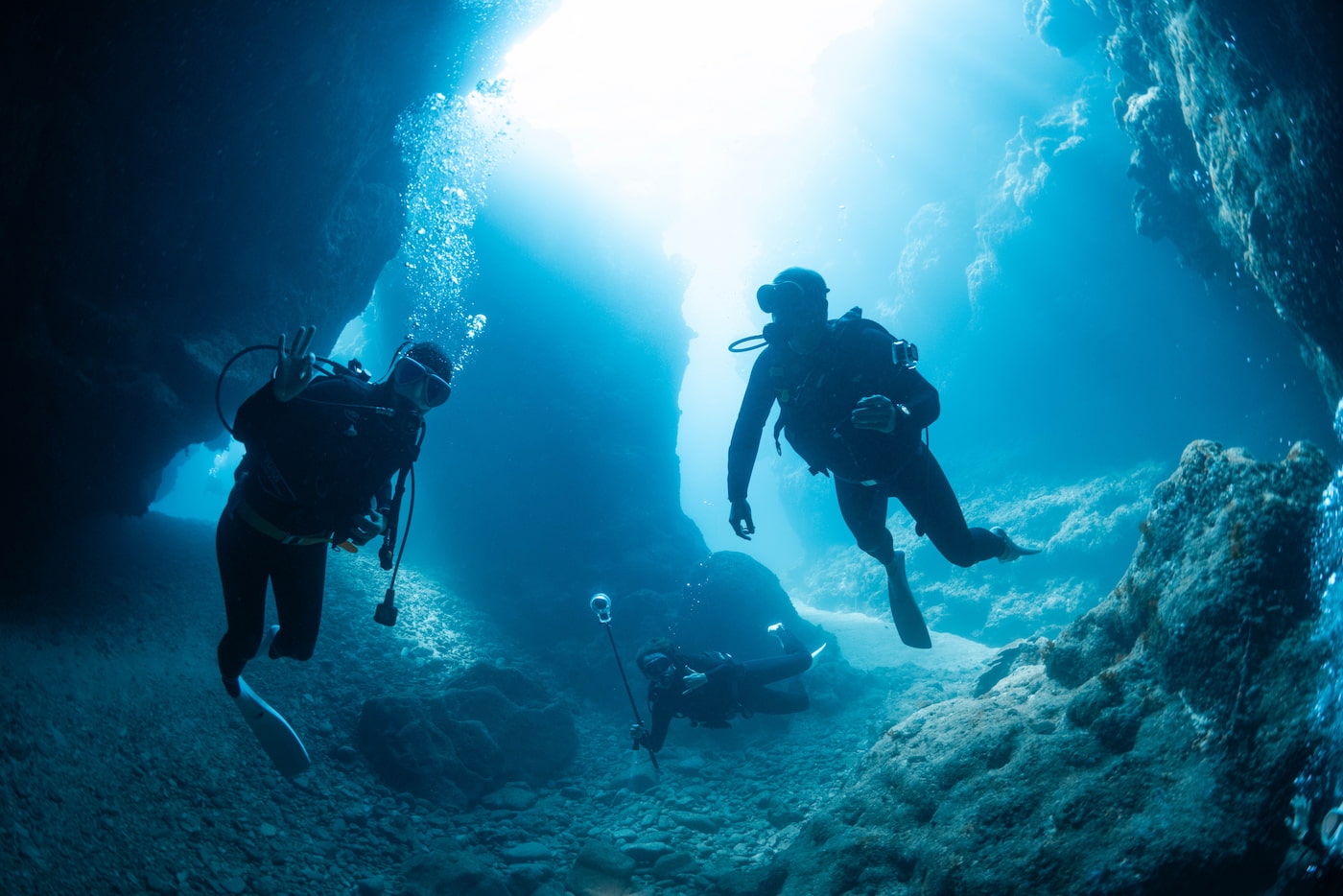
This dive site is famous for its beautiful caves and crevices. On sunny days, sunlight streams into the main cave, creating a spectacular underwater scene. If there are no other dive groups nearby, you can take your time inside the cave and enjoy photography or videography.
In addition to the main cave, there is another swim-through crevice, as well as several beautiful cracks and crevices that cannot be passed through. While the caves are the main attraction, the entire site offers dramatic underwater landscapes and impressive topography. The shallow coral reefs are also beautiful and worth exploring.
Because the site is well sheltered from southerly winds, it is a popular dive site during the summer season.
Current: ★☆☆☆☆ (None to Very Weak)
Visibility: ★★★★☆
Difficulty: ★★☆☆☆
Average Depth: 8–17 m
Best Wind Direction: South
Tokashiki Island Dive Sites
Ariga Cable / Ariga South (Tokashiki Island)
West side of Tokashiki Island. A beautiful coral reef dive site known for its healthy reefs and abundant marine life. On the seabed, divers can see the telecommunications cable that connects Tokashiki Island and Zamami Island.
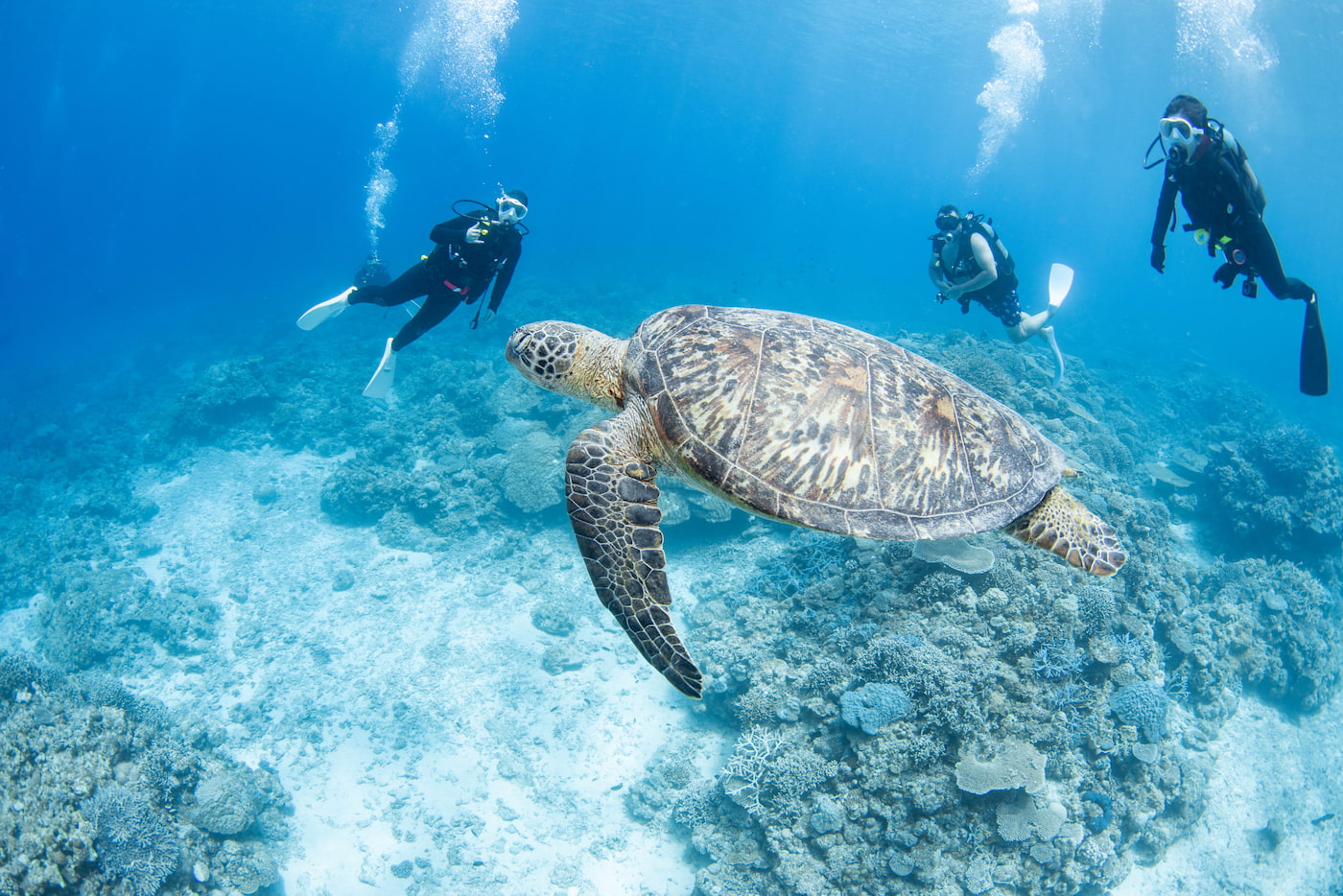
The southern side of the site is particularly famous for its stunning coral formations, and green sea turtles are frequently encountered here. Around the main reef, clownfish can often be found living among the sea anemones. During spring, giant cuttlefish also visit the area to breed and lay their eggs.
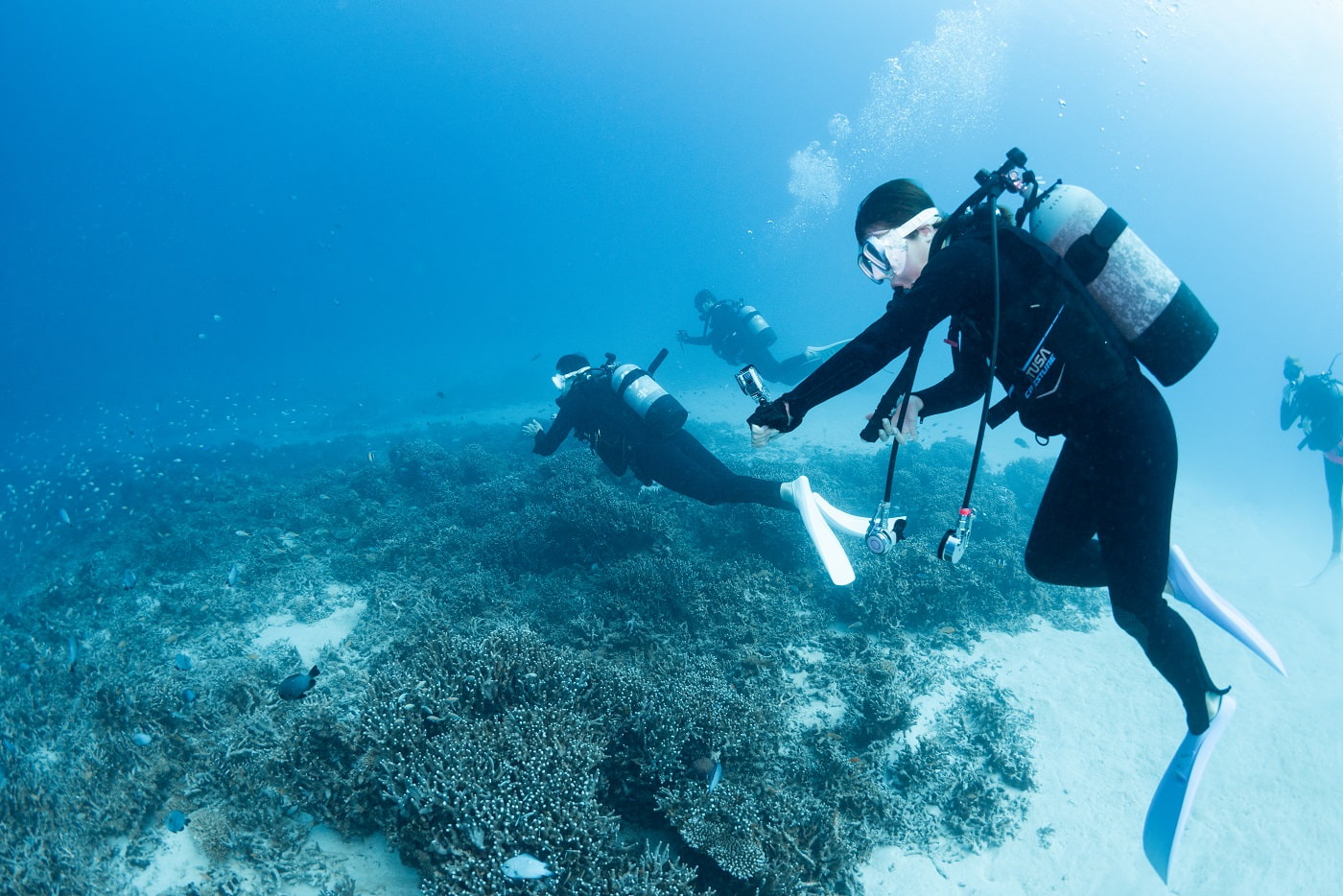
Further offshore, a deeper reef attracts schools of fish and offers a different underwater landscape. On our Kerama Islands diving tours, we often enter the water in the shallow area and follow the gentle current on a drift dive after anchoring the boat, allowing divers to explore a larger section of the reef.
Current: ★★☆☆☆ (None to Occasional)
Visibility: ★★★★☆
Difficulty: ★★☆☆☆
Average Depth: 8–17 m
Best Wind Direction: East
Nozaki (Tokashiki Island)
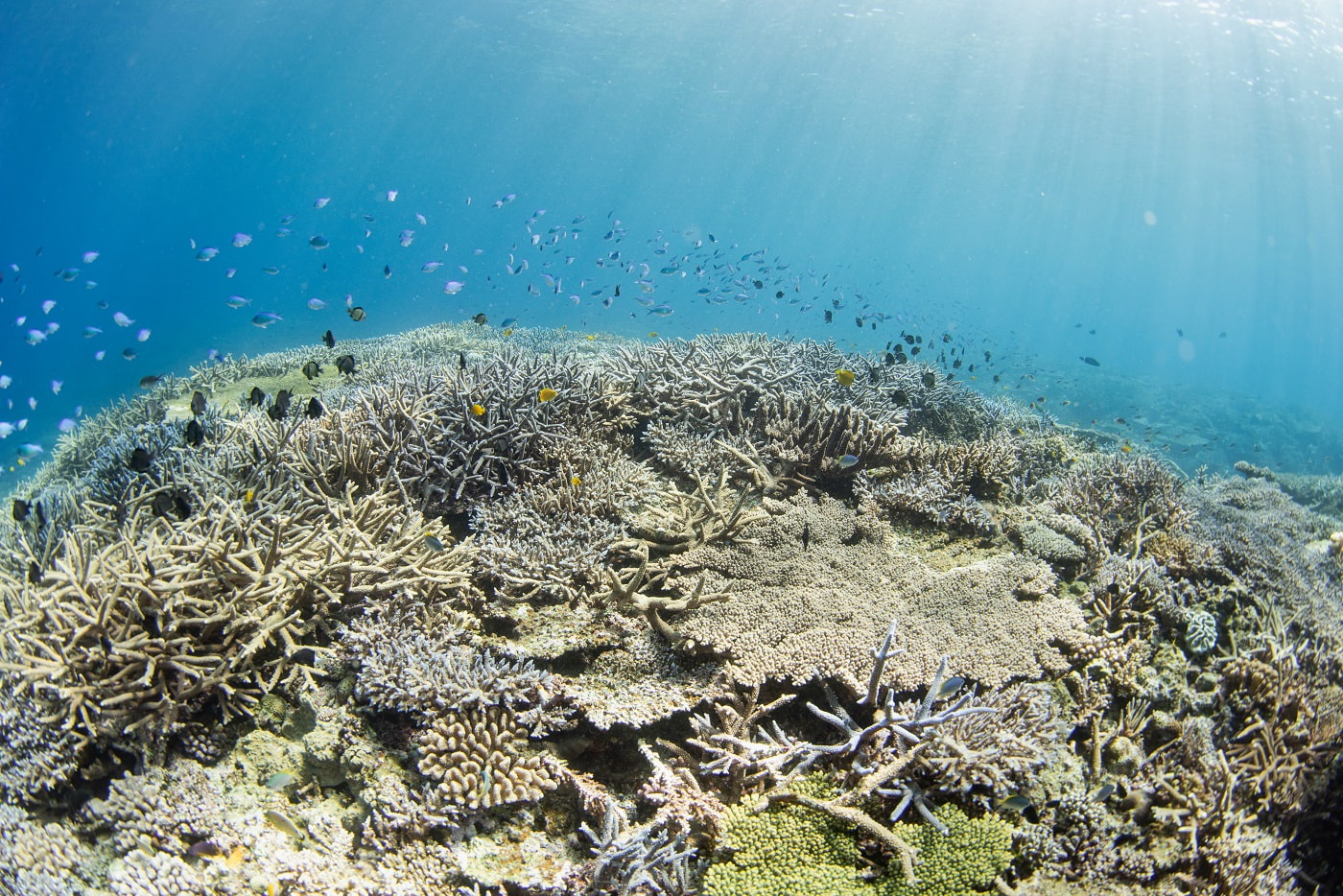
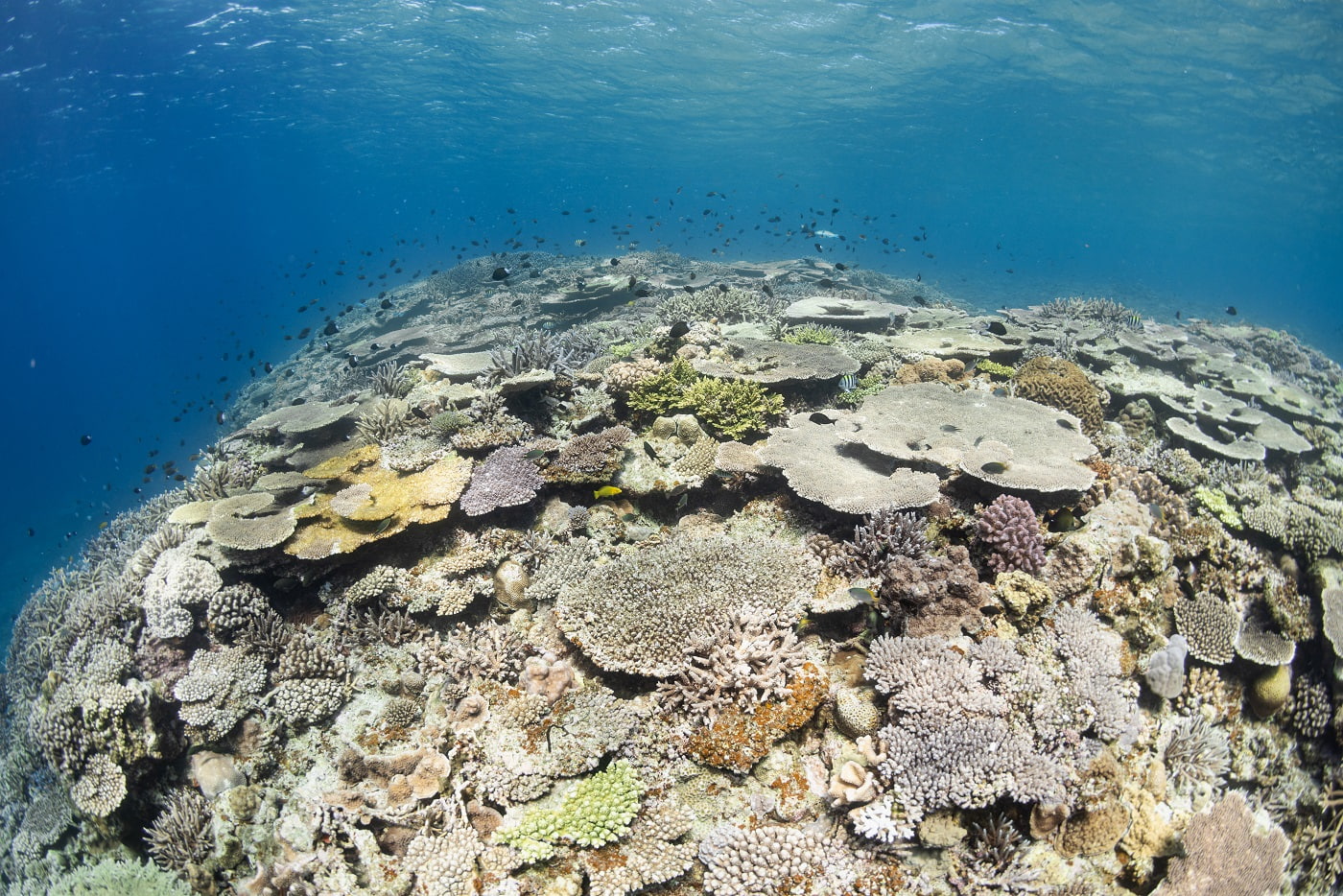
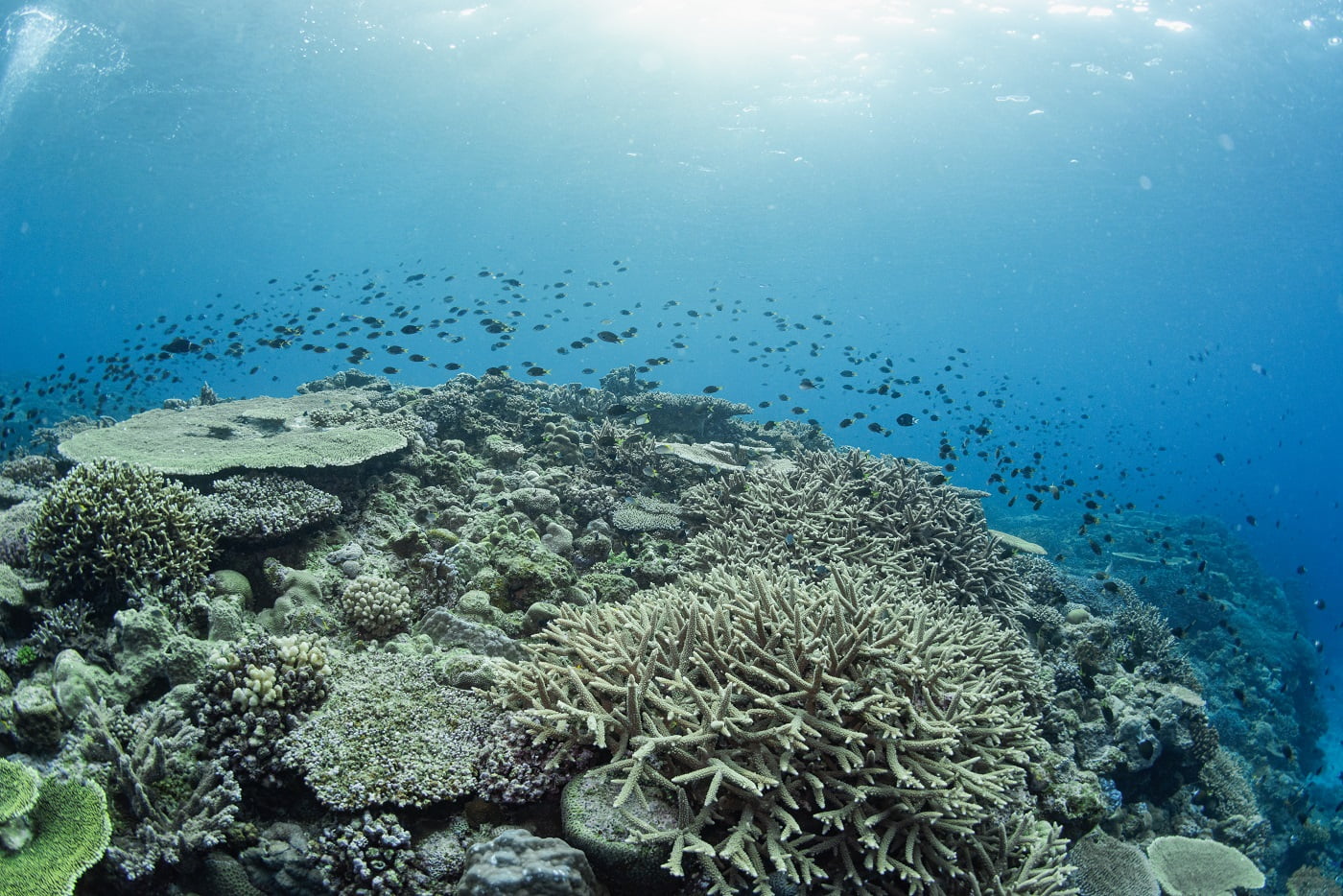
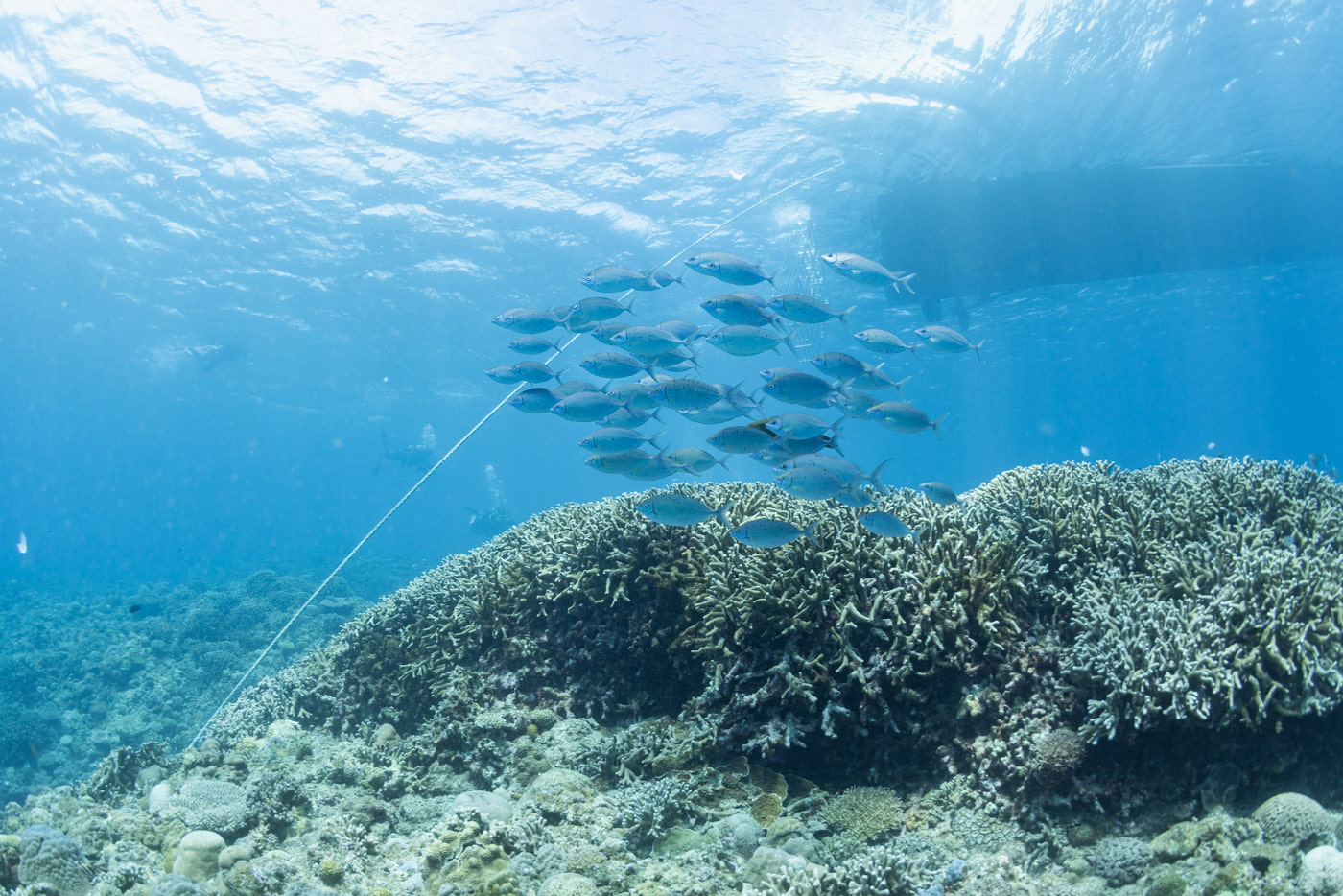
West side of Tokashiki Island. Similar to Ariga, this dive site is known for its beautiful coral reefs. A large reef covered with dense staghorn coral is the main highlight of the site, with schools of fish gathering around it. The shallow reef area is also very beautiful.
This is a frequently visited dive site on our Kerama diving tours, although currents can be present at times. Therefore, we usually choose calm conditions for diving here. On our Kerama tours, this site is often used as a third dive with a drift diving style.
Current: ★★☆☆☆ (None to Occasional)
Visibility: ★★★★☆
Difficulty: ★★☆☆☆
Average Depth: 8–17 m
Best Wind Direction: East
Kamigusuku (Tokashiki Island)
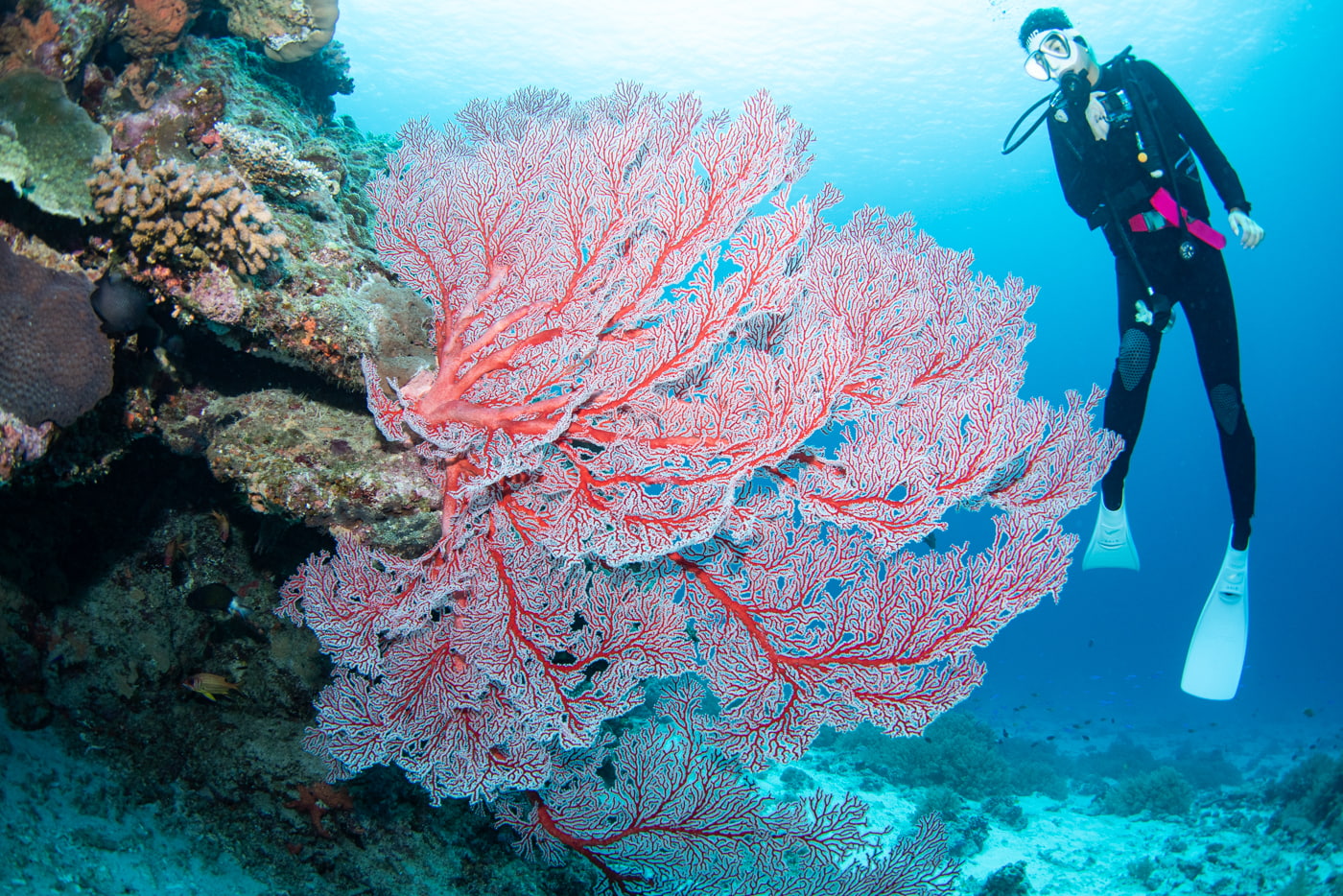
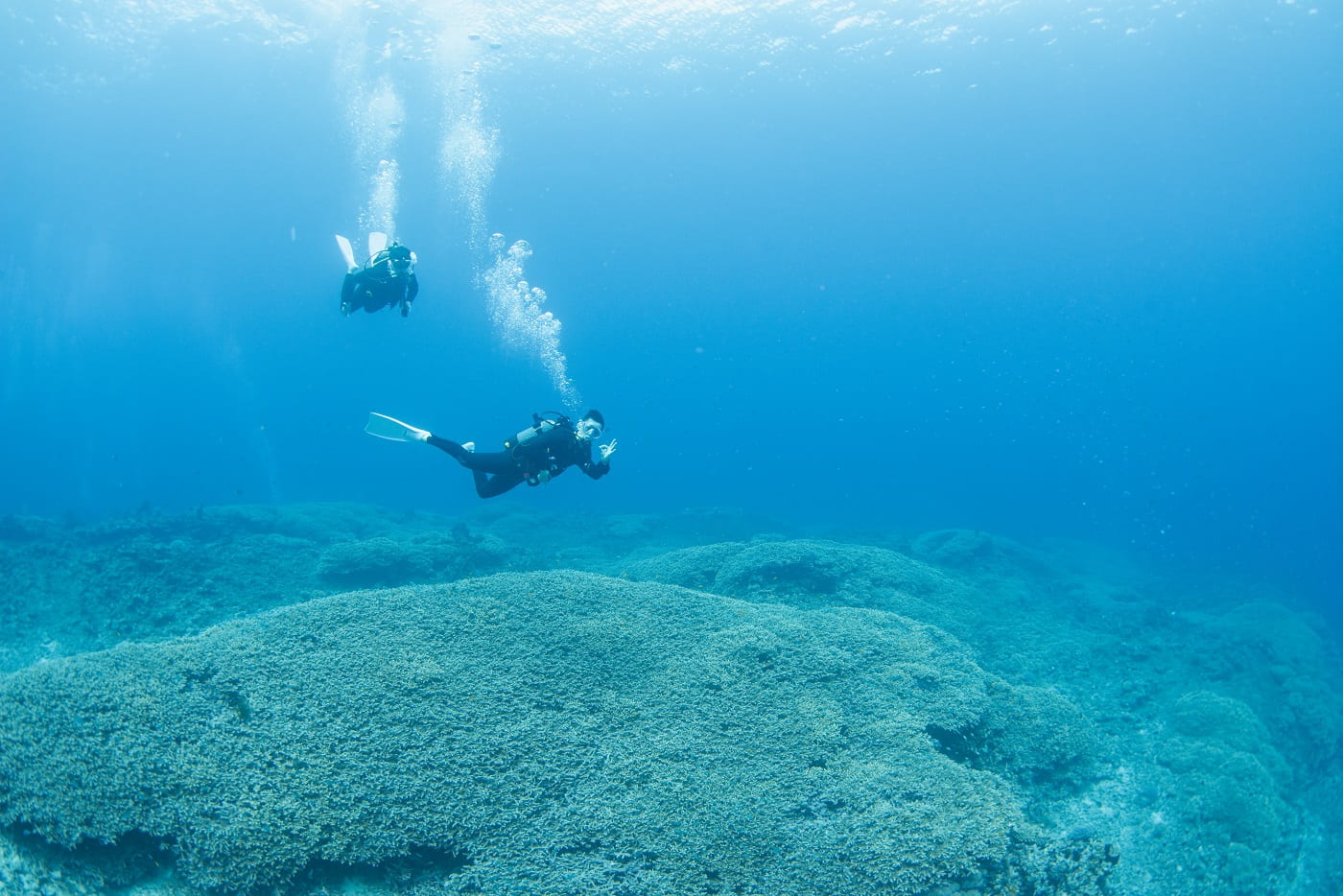
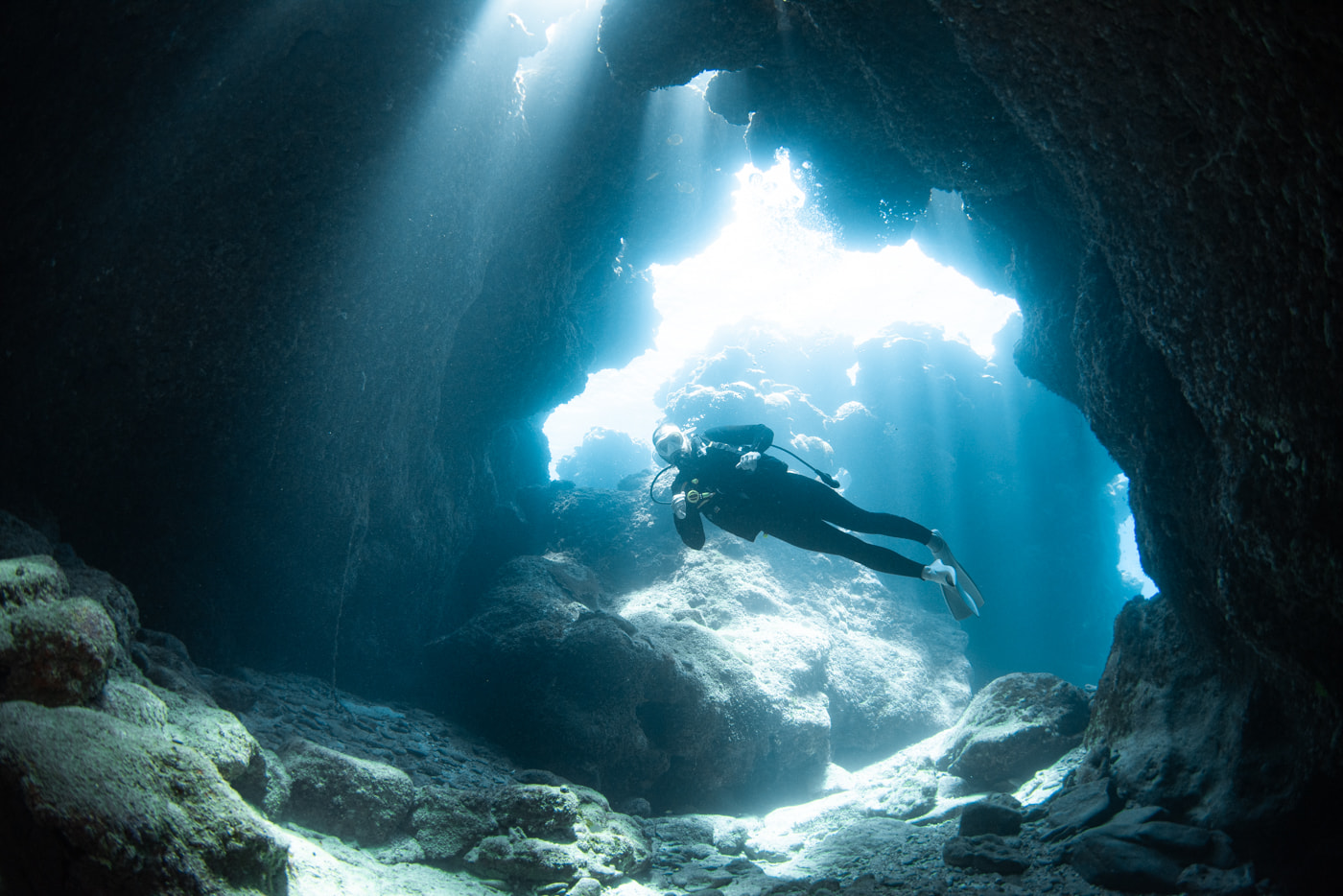
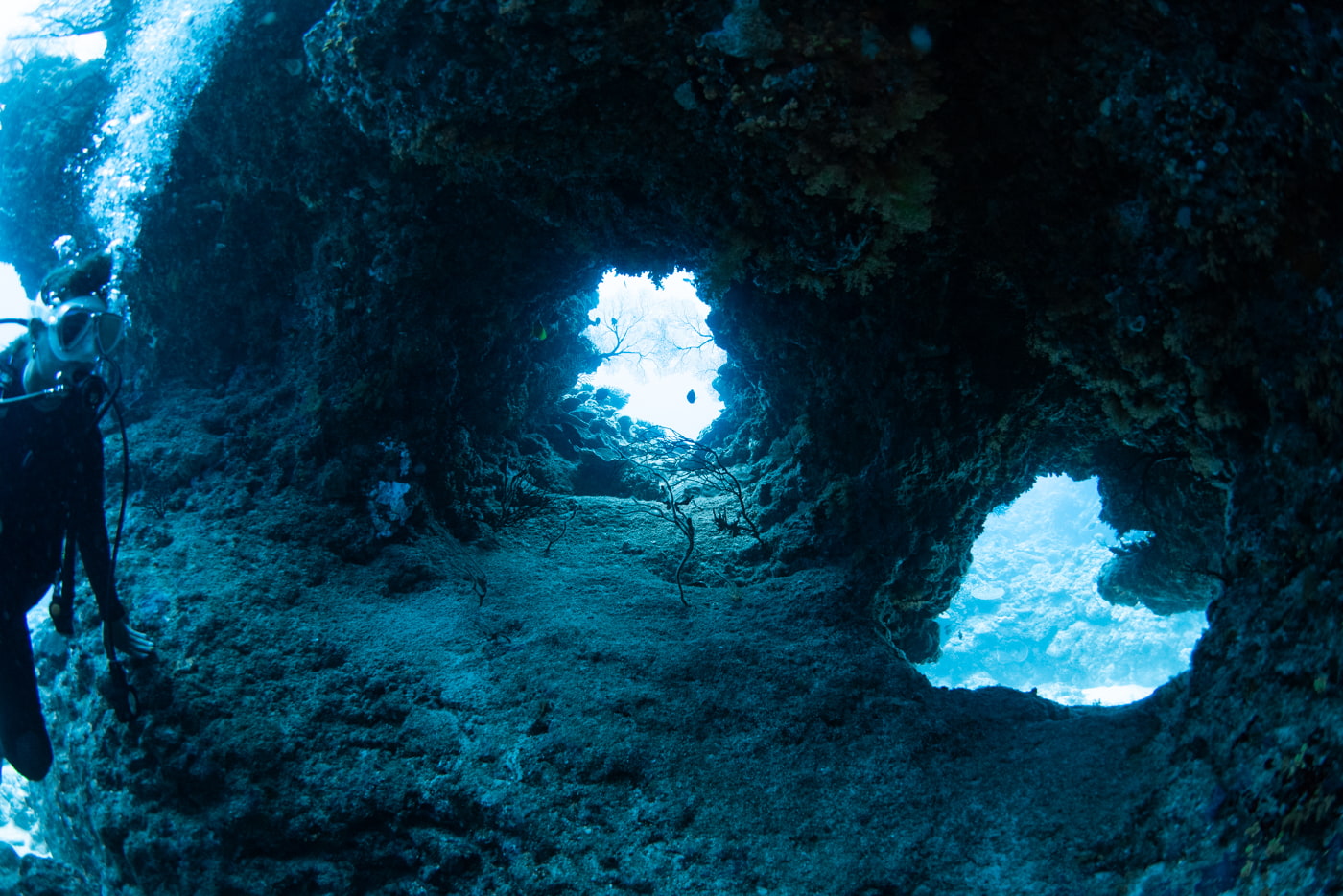
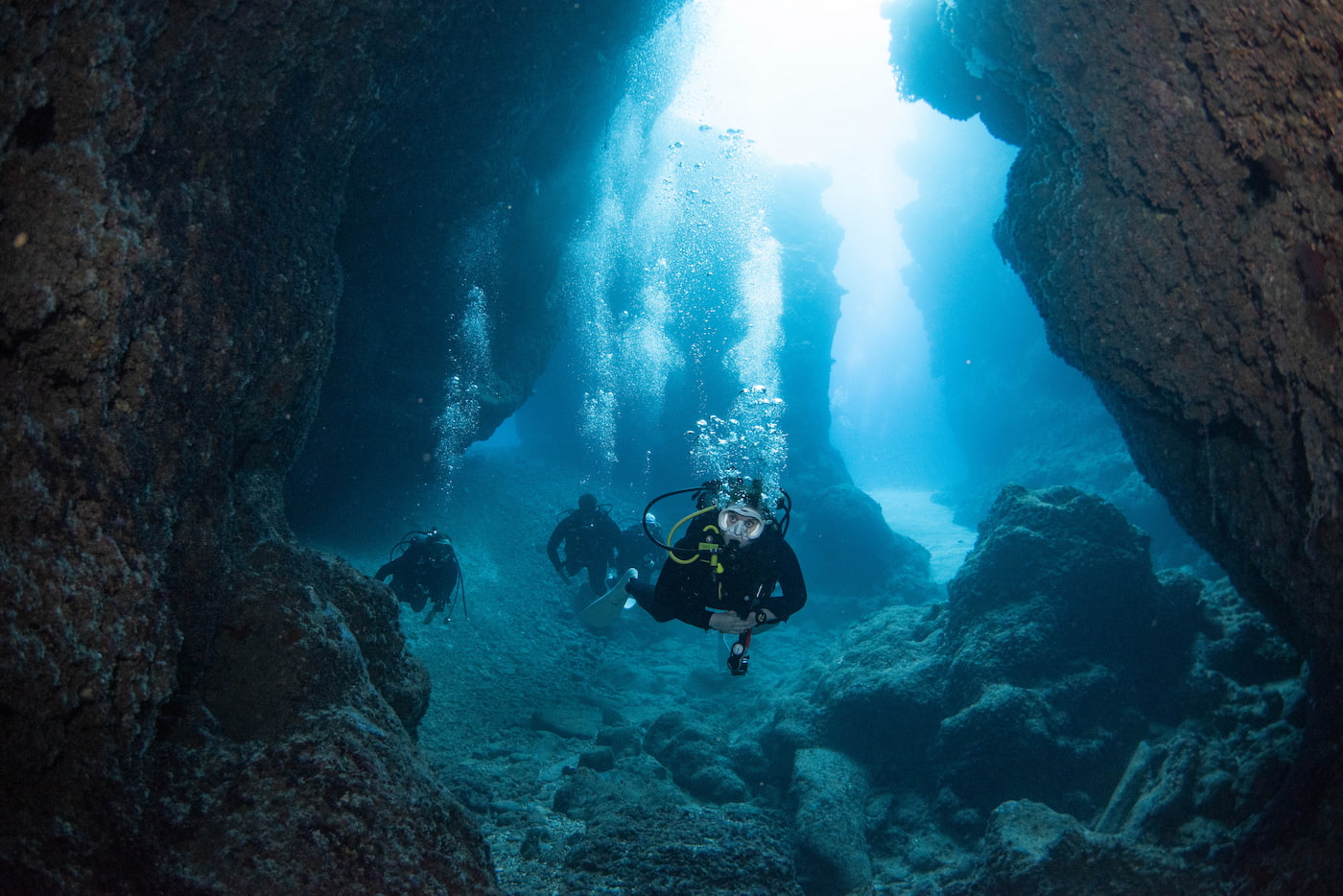
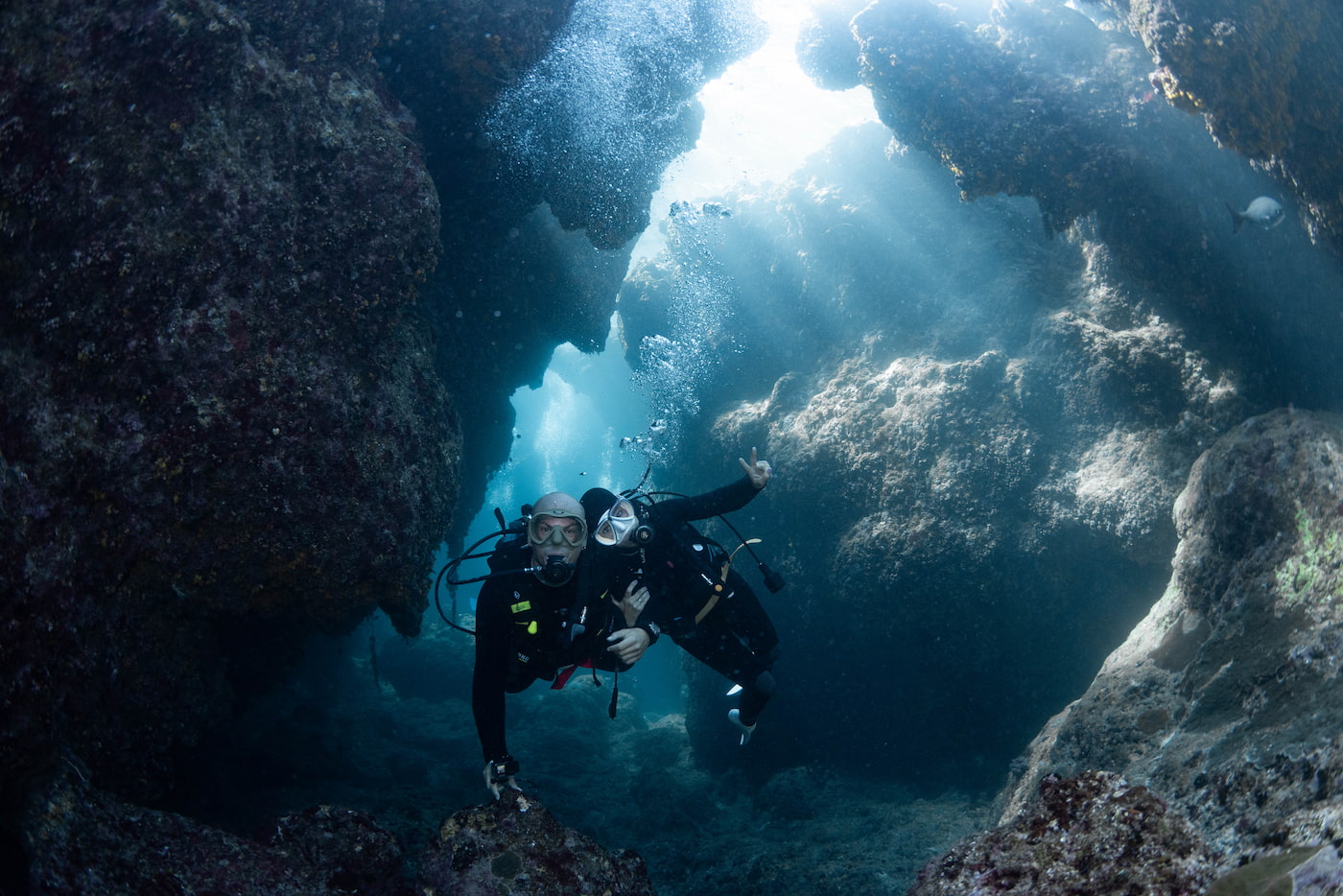
East side of Tokashiki Island. This dive site is known for its beautiful sunlit caves and crevices. On sunny days, divers can enjoy the stunning light beams inside the cave and take their time for photography and video.
In addition to the main cave, there is another lesser-known cave that few guides are familiar with, which is also very beautiful.
Besides the caves, there is a large rock formation with window-like openings, where divers can swim through natural rock passages and enjoy the unique topography.
Current: ★★☆☆☆ (None to Occasional)
Visibility: ★★★★☆
Difficulty: ★☆☆☆☆
Average Depth: 8–17 m
Best Wind Direction: West
Arari (Tokashiki Island)
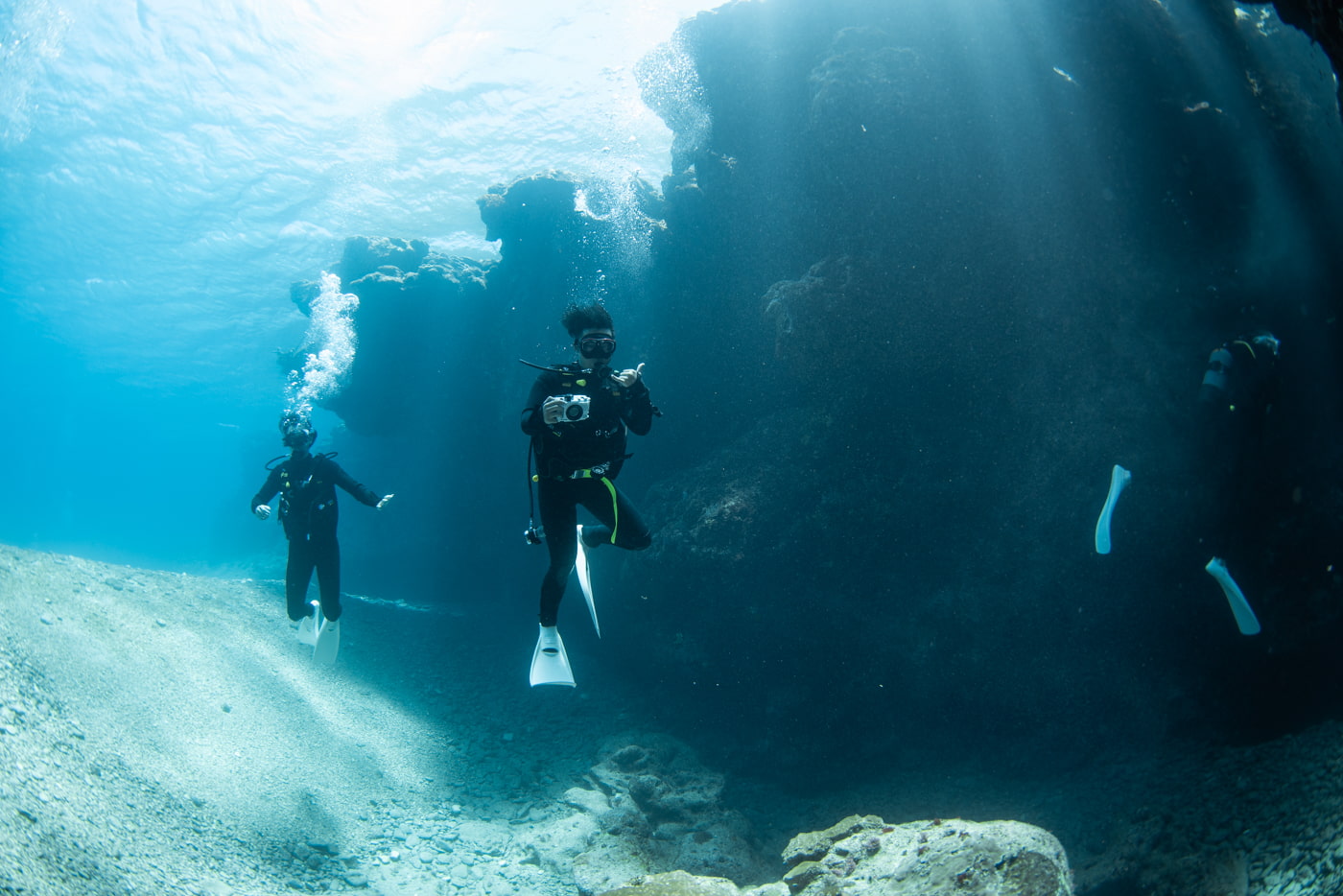
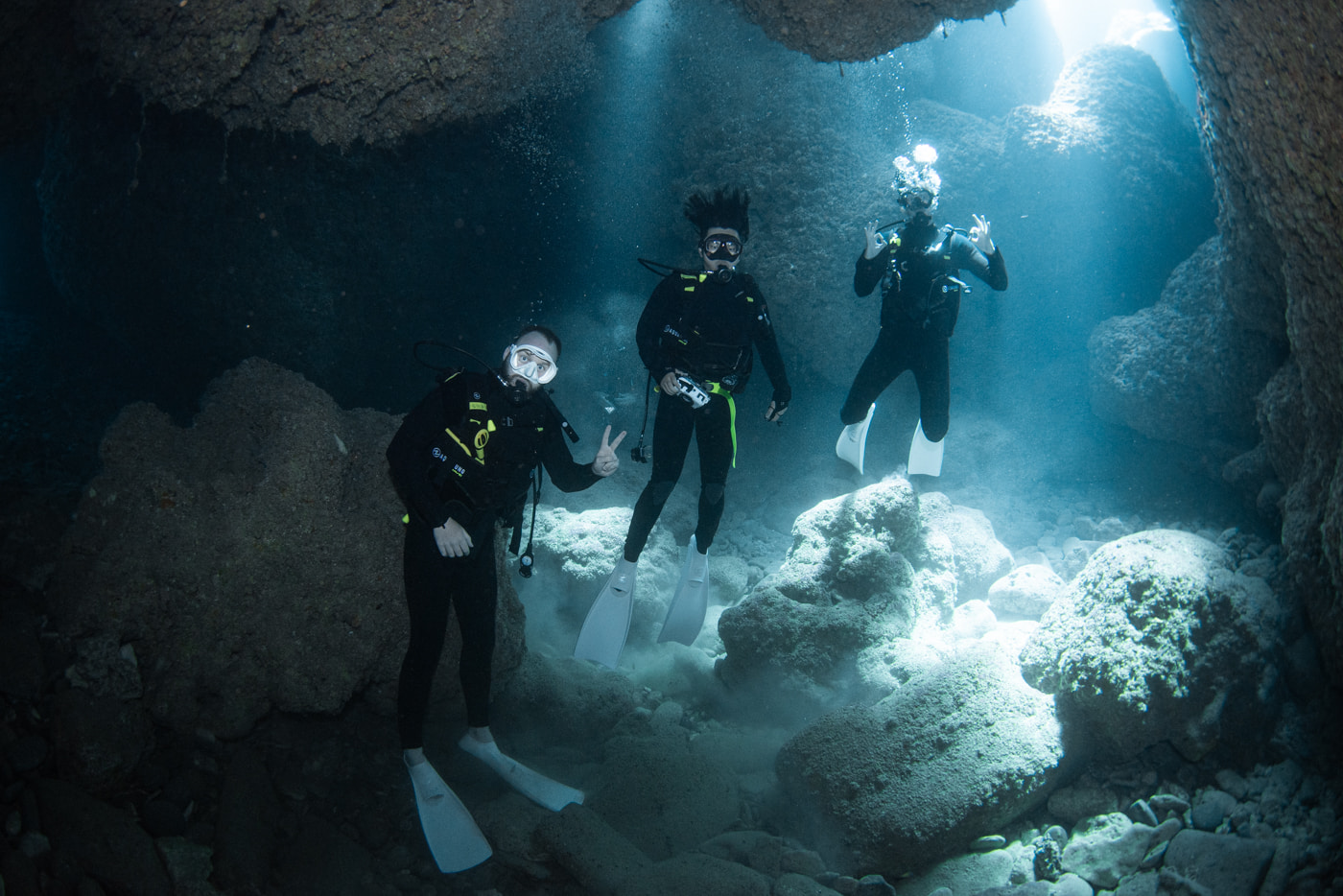
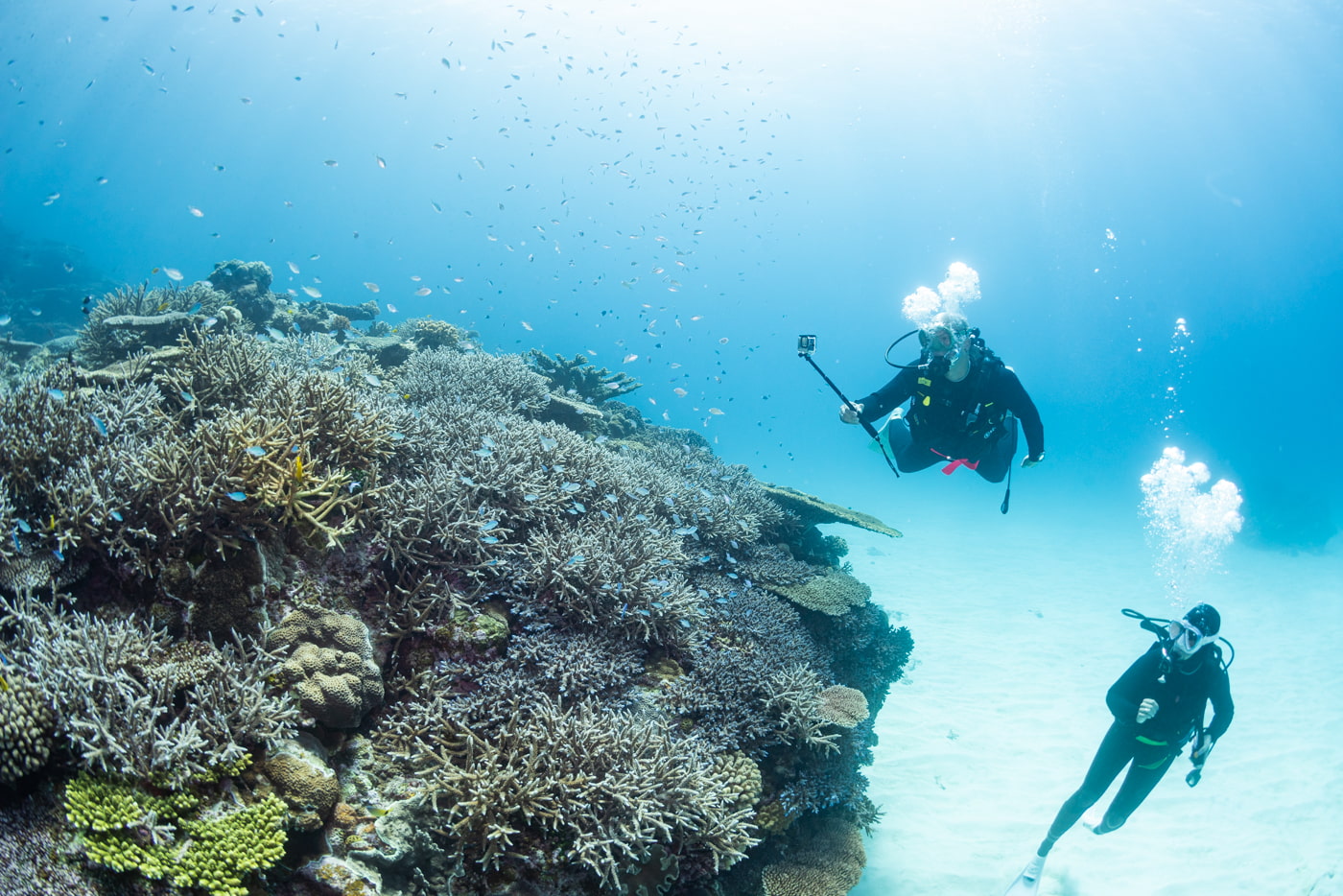
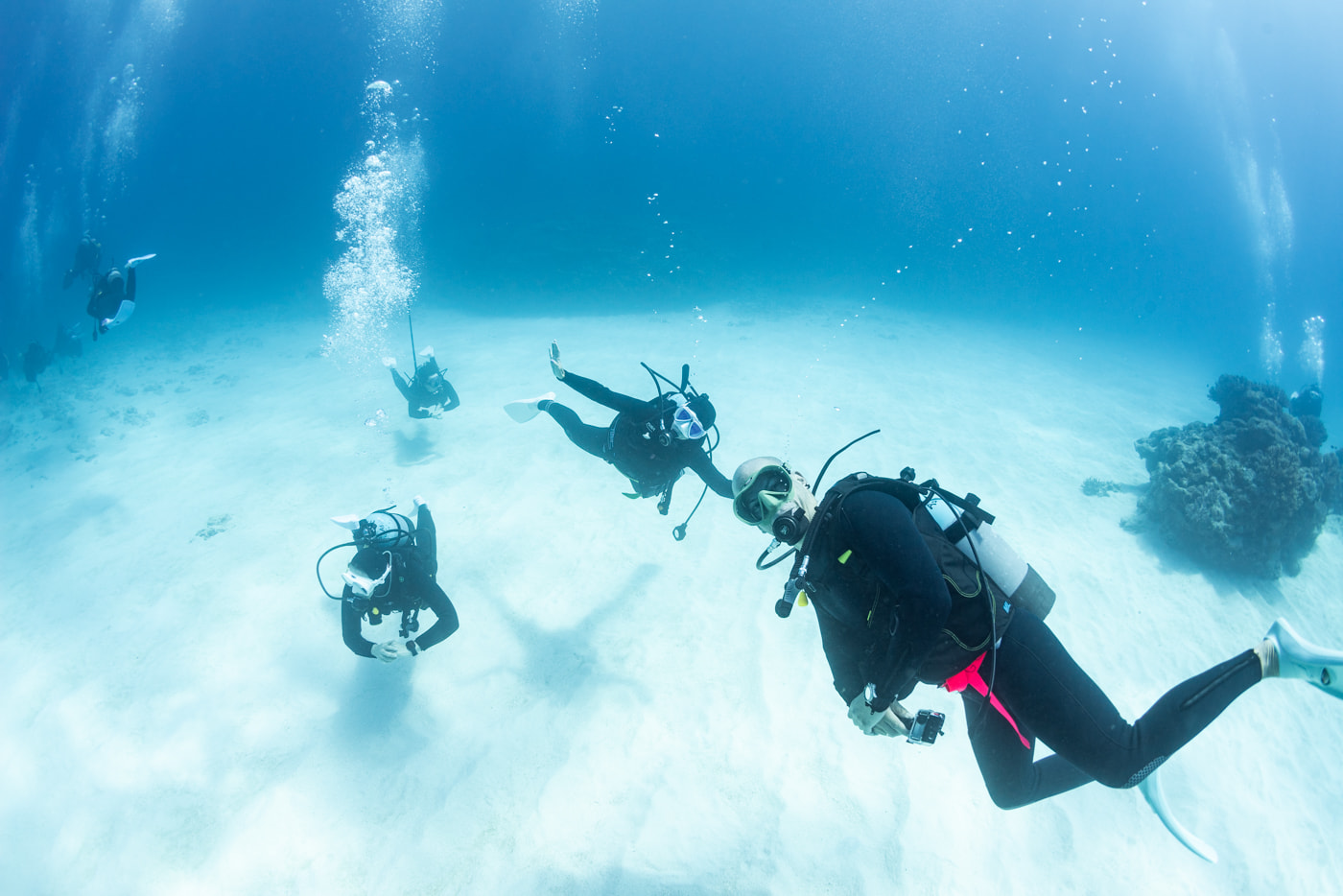
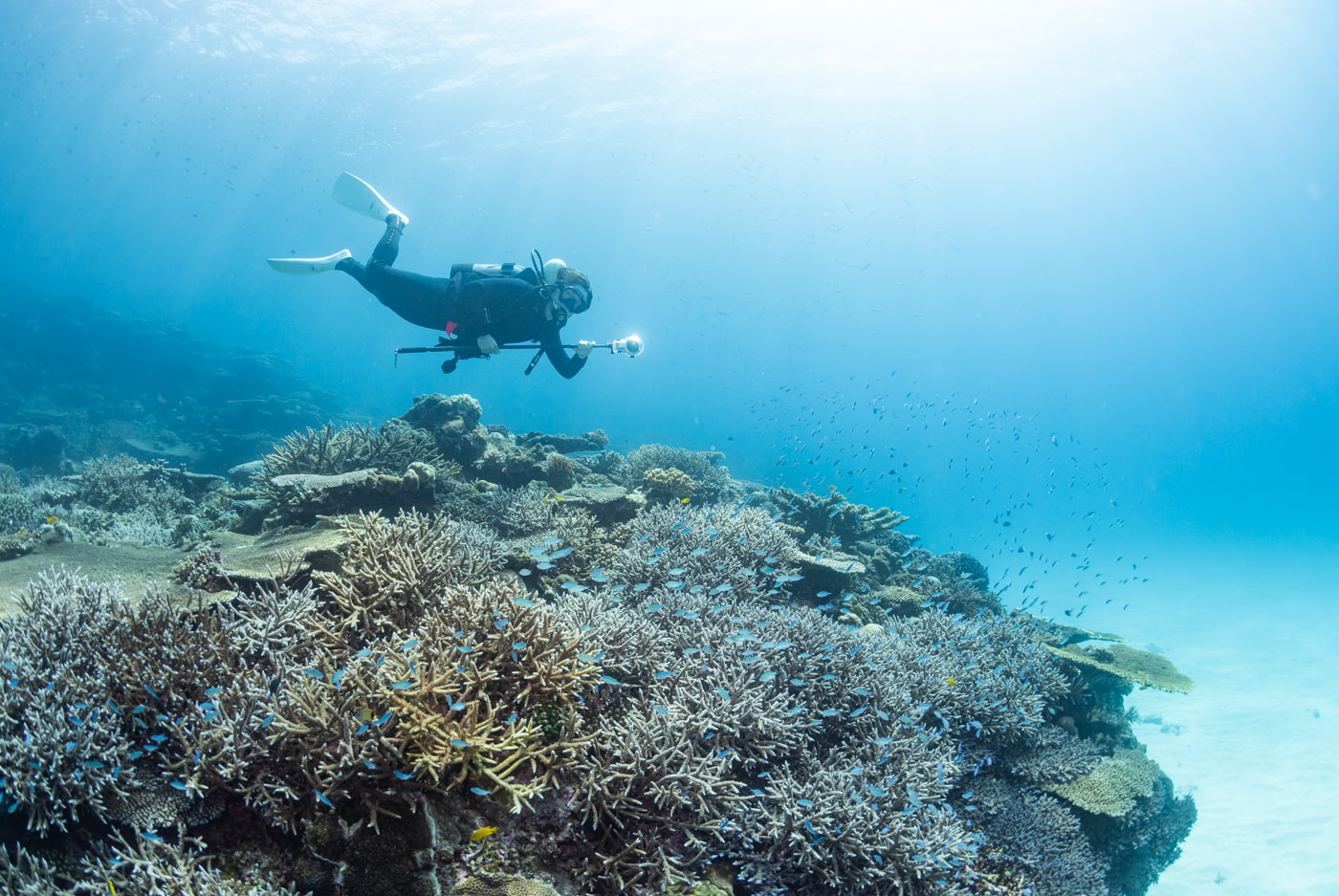
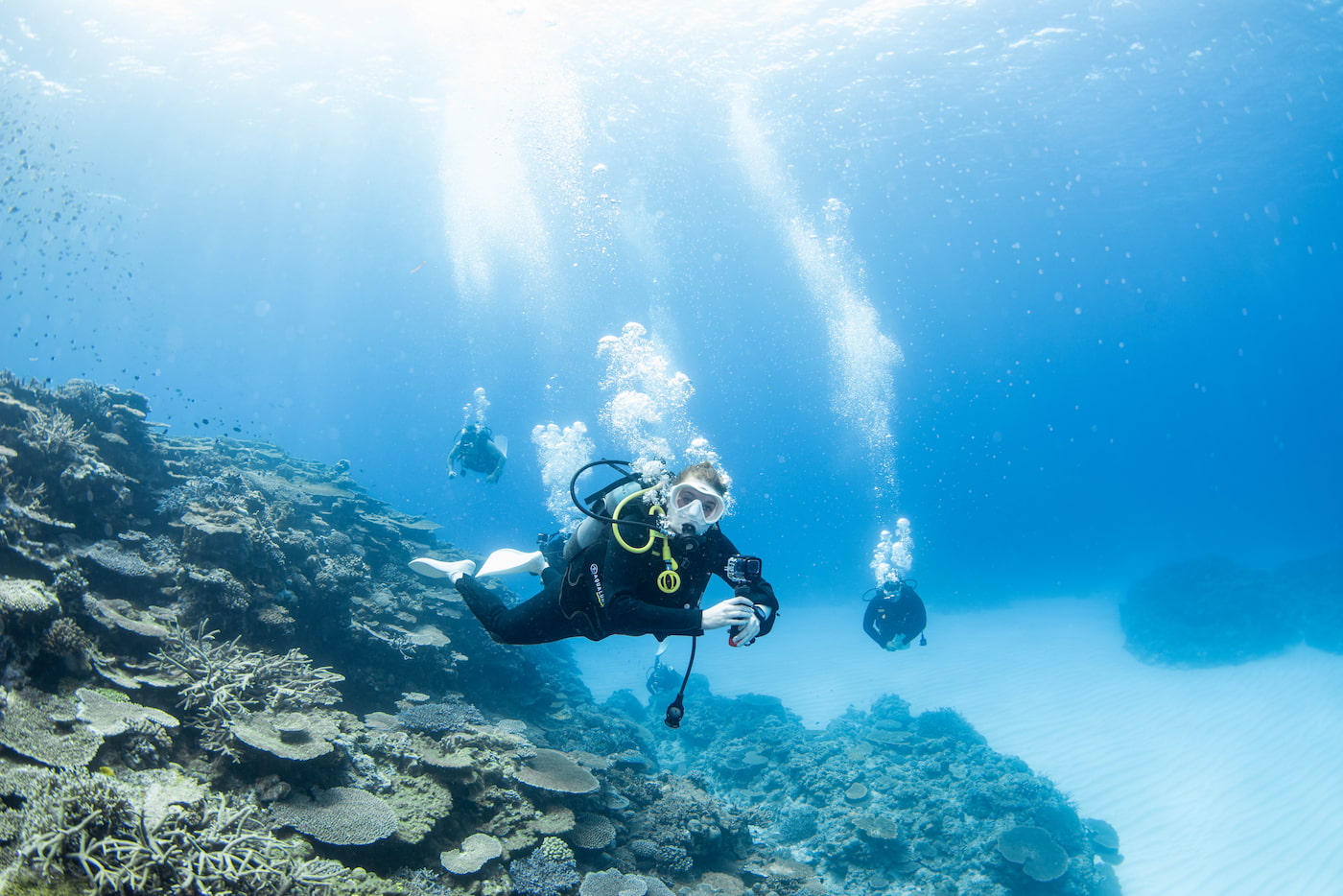
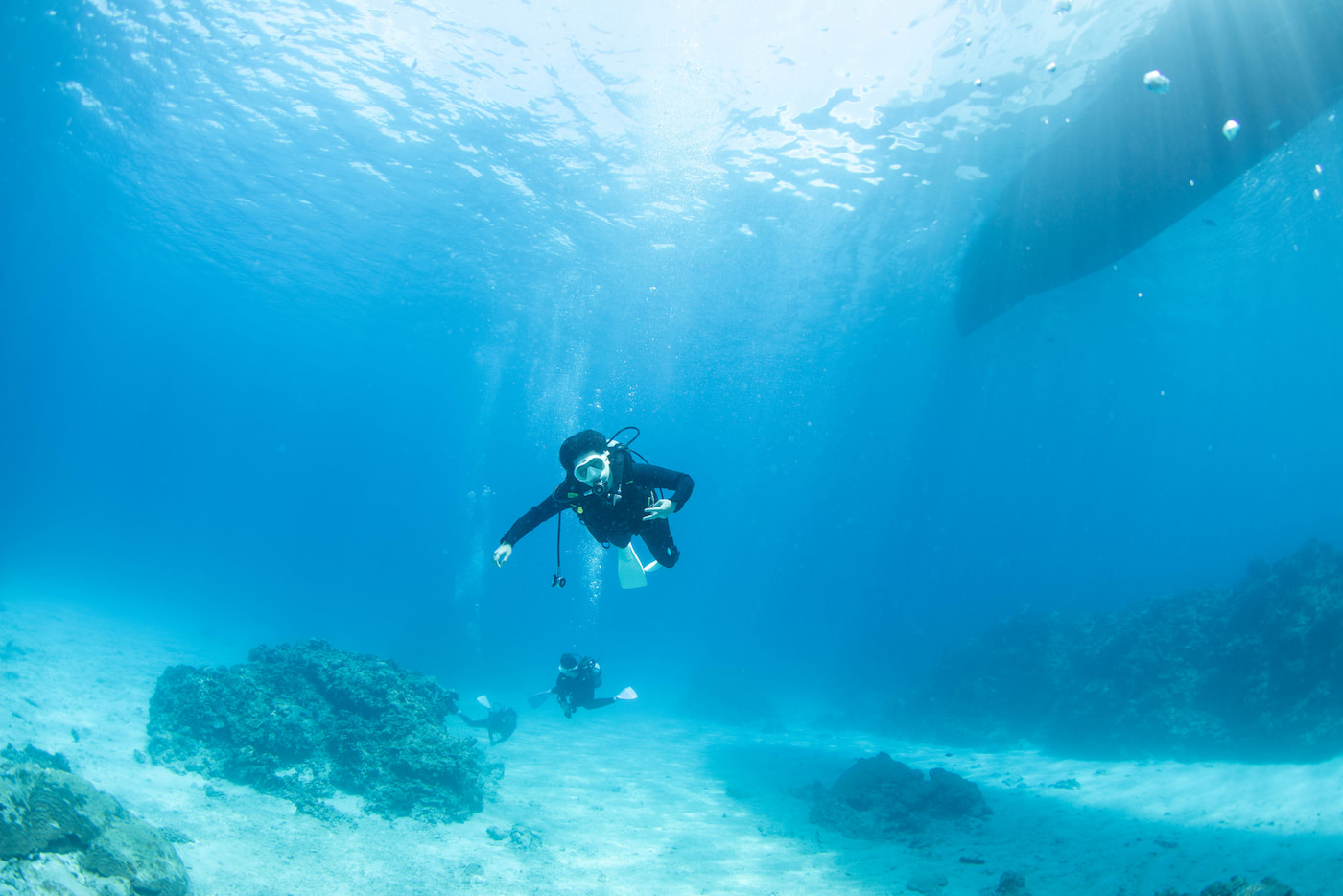
East side of Tokashiki Island. From the boat anchoring area, a short swim offshore reveals one of the most beautiful sandy bottoms in the Kerama Islands. Several small reef patches are scattered throughout the area, along with swim-through rock formations.
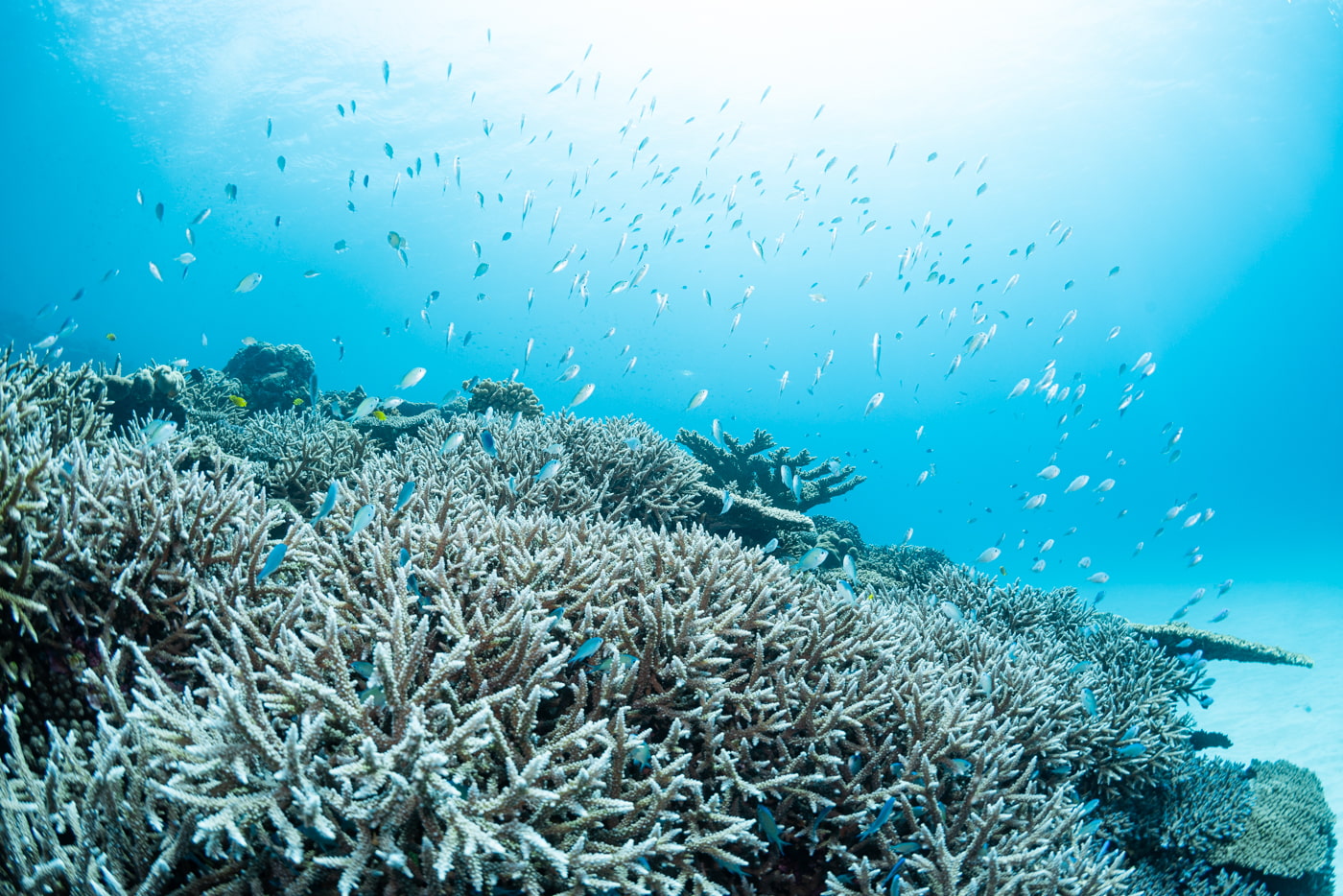
As you move into the shallower area from the sand, you will find stunning coral reefs with large schools of damselfish and other reef fish. Visibility is generally very good, and looking down from the coral reef into the sandy bottom clearly highlights the exceptional water clarity. Sea turtles are occasionally encountered here.
Current: ★☆☆☆☆ (None to Very Weak)
Visibility: ★★★★★
Difficulty: ★☆☆☆☆
Average Depth: 8–15 m
Best Wind Direction: West
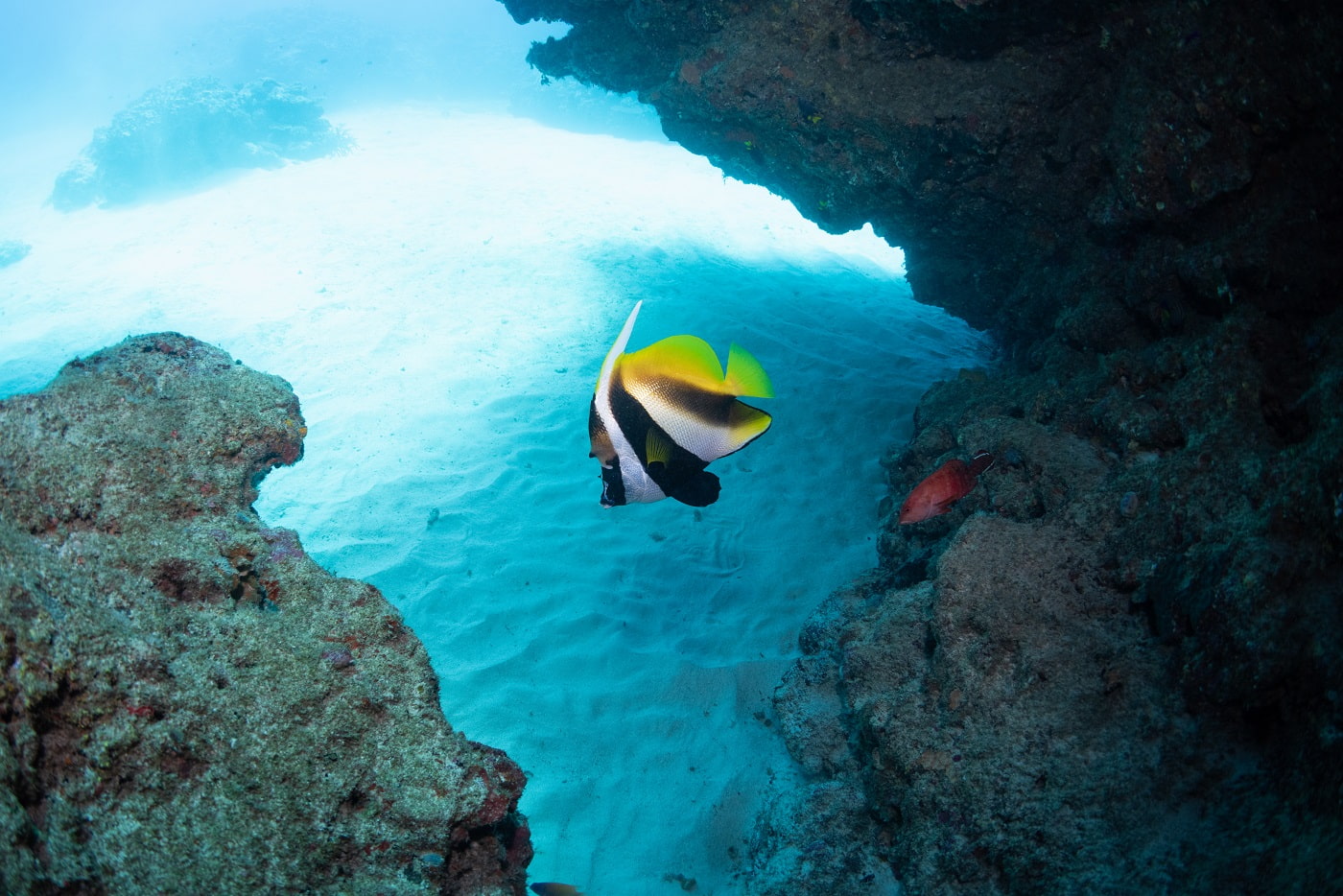
Kurumai (Tokashiki Island)
East side of Tokashiki Island. This dive site is known for its caves and crevices. It features a large cave where divers can take their time to enjoy highly photogenic underwater photography and videography.
The dive is mainly focused on exploring the cave, but the shallow coral reefs are also very beautiful. After exiting the cave, divers typically head offshore and slowly follow the reef edge, enjoying a relaxed drift along the coral. Manta rays have occasionally been spotted around the reef area.
This site is often combined with Arari. Currents are usually mild, making it suitable even for less experienced divers.
Current: ★☆☆☆☆ (None to Very Weak)
Visibility: ★★★★☆
Difficulty: ★☆☆☆☆
Average Depth: 8–15 m
Best Wind Direction: West
Gishipu Island Dive Sites
Sand Triangle / Kamekichi (Gishipu Island)
Between Gishipu Island and Tokashiki Island. This dive site features both reef and sandy bottom areas. Conditions are usually calm with little to no current, making it suitable even for less experienced divers.
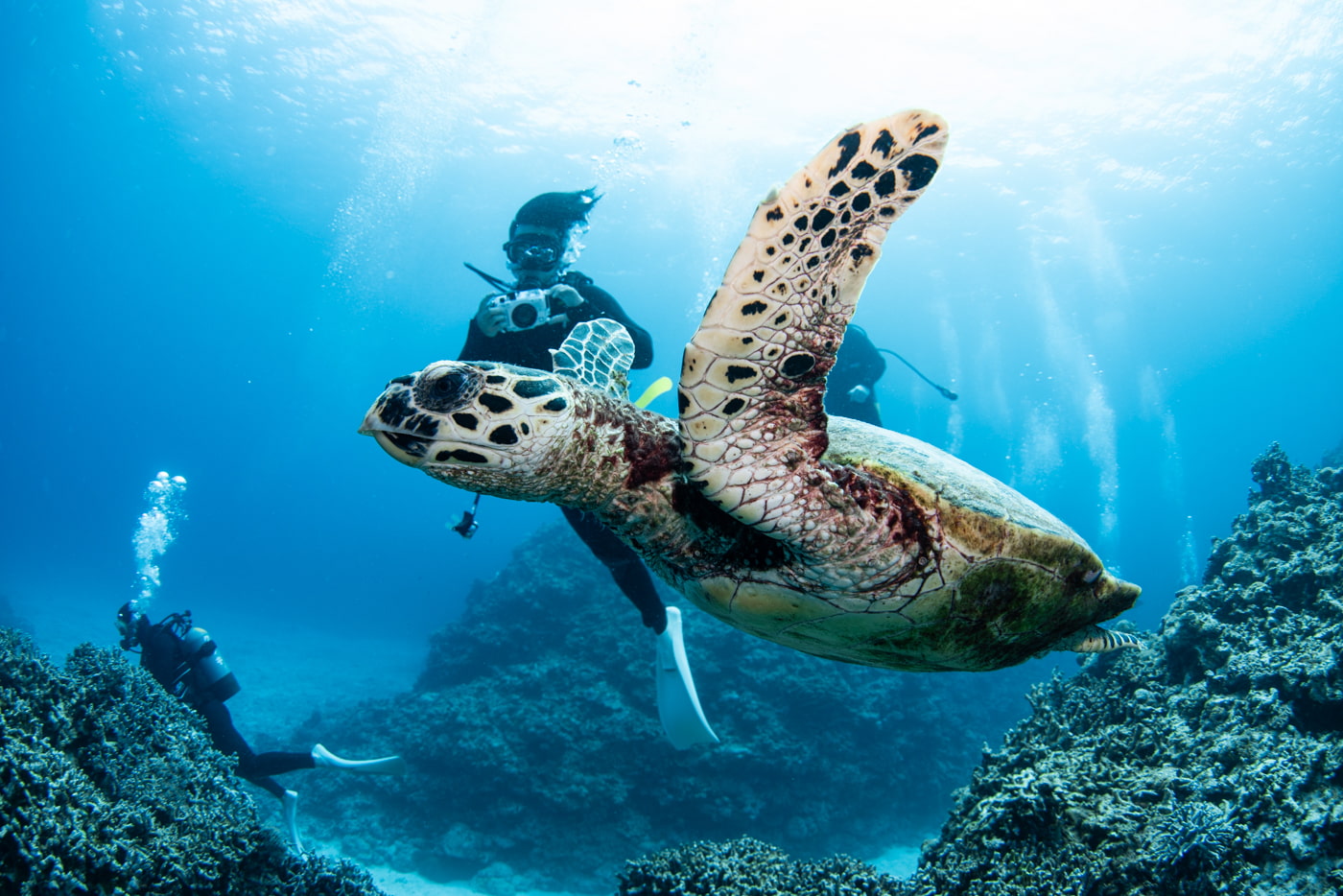
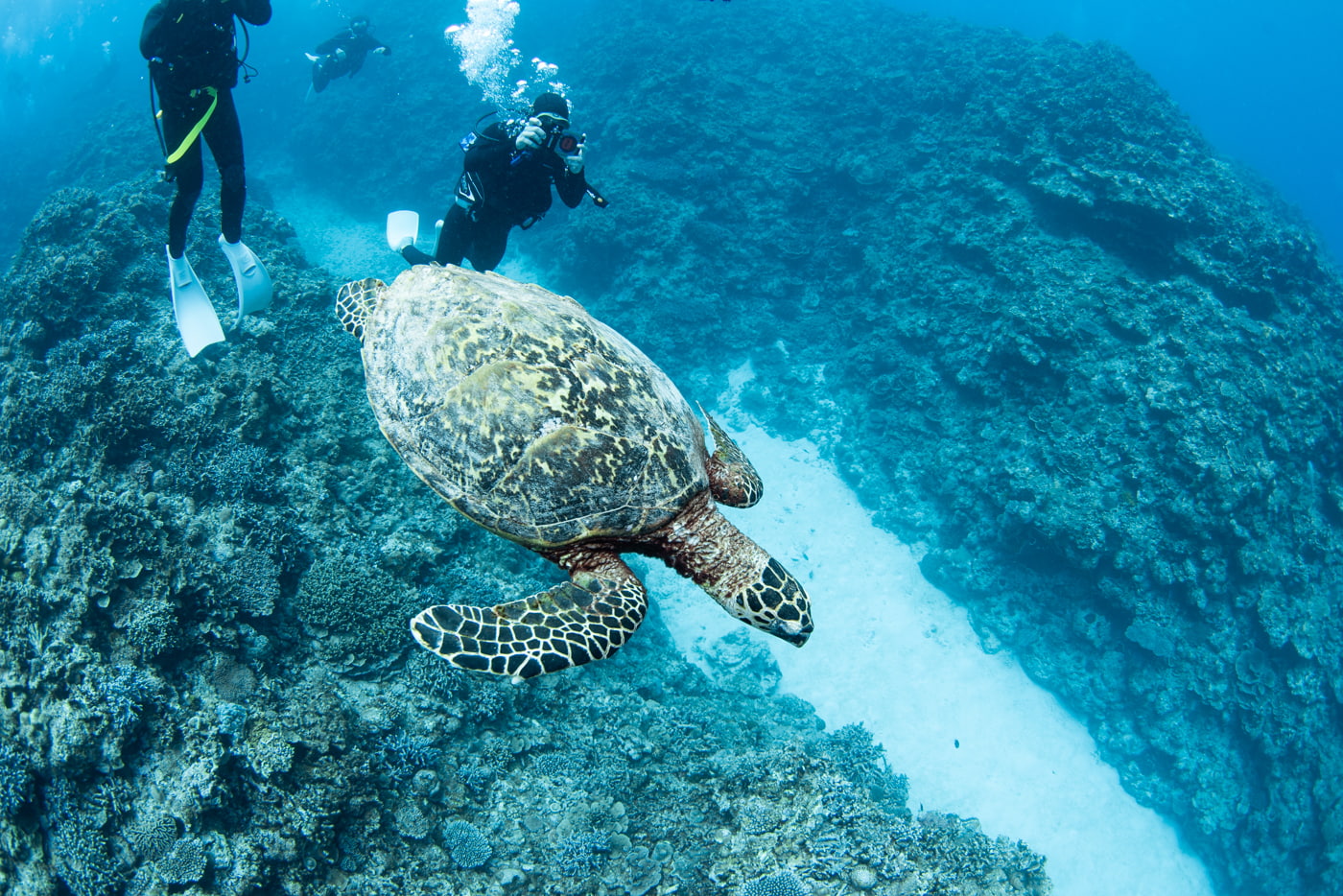
Green sea turtles are frequently seen around the reef, with hawksbill turtles being the most commonly encountered, while green sea turtles are also spotted from time to time.
Clownfish can be found living on the reef, and if you look carefully, you may also discover nudibranchs. This site is well protected from southerly to easterly winds, making it a popular dive site throughout the year.
Current: ★☆☆☆☆ (None to Very Weak)
Visibility: ★★★★☆
Difficulty: ★☆☆☆☆
Average Depth: 8–15 m
Best Wind Direction: South to East
Kuroshima Island Dive Sites
Kuroshima North Twin Rock (Kuroshima Island)
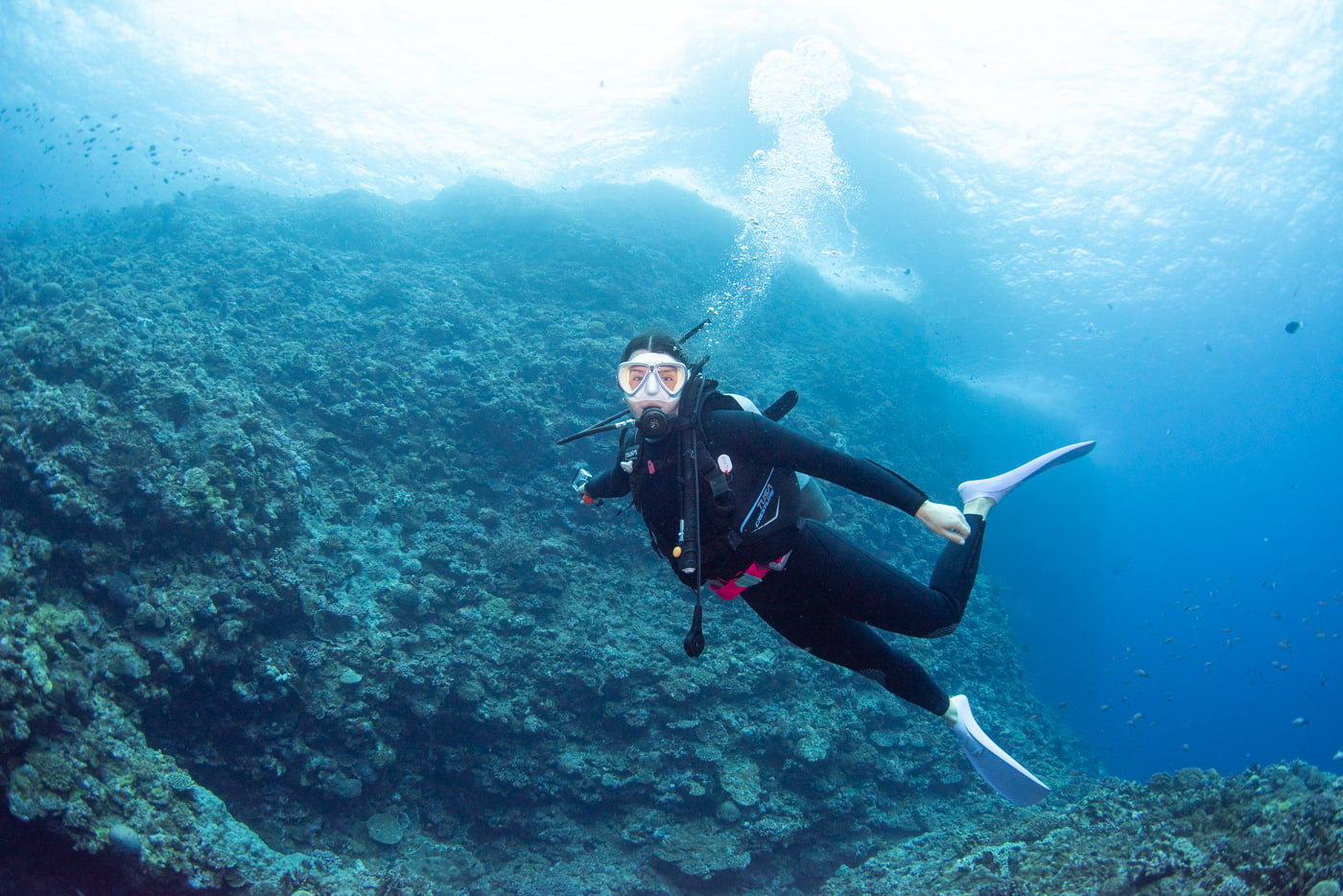
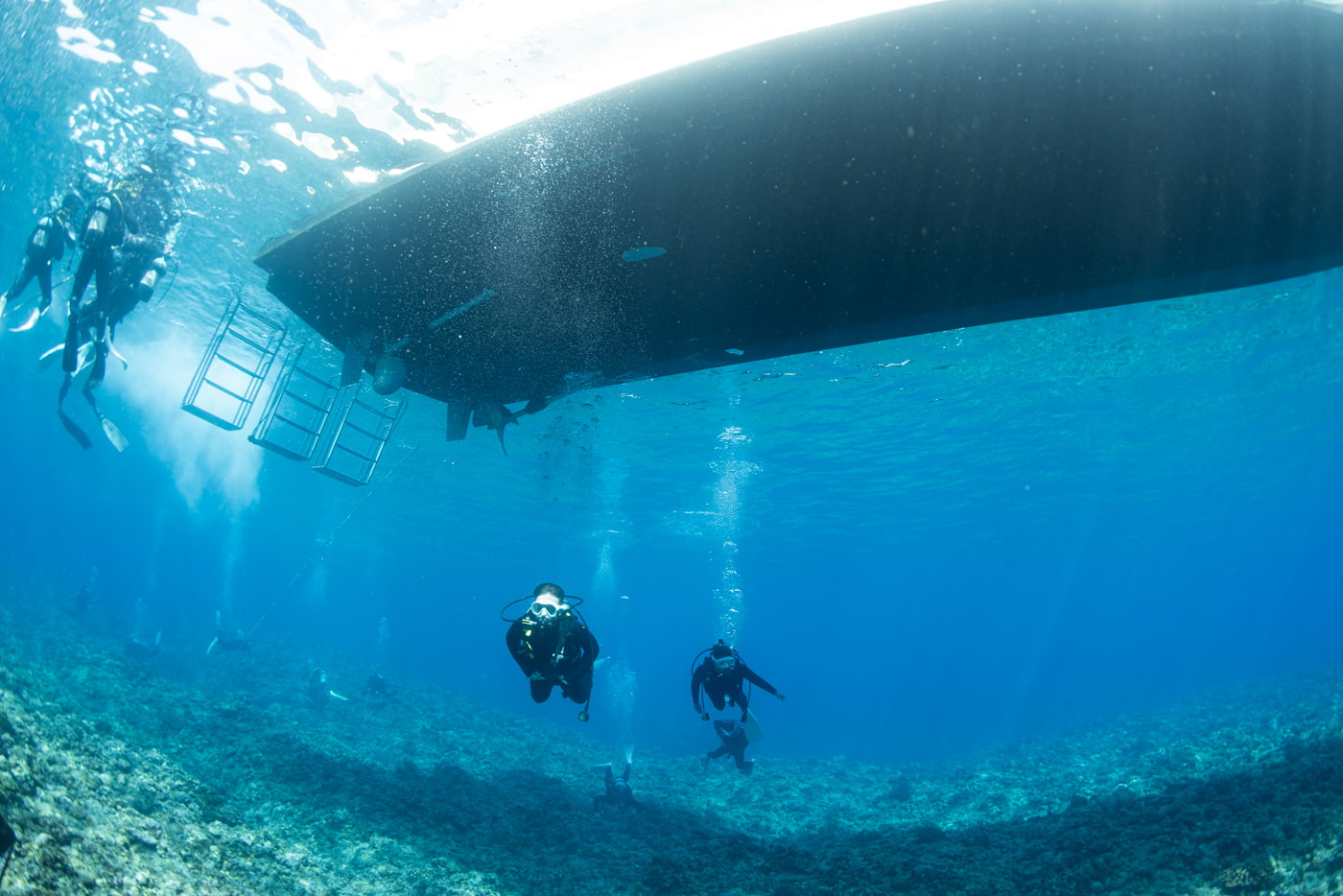
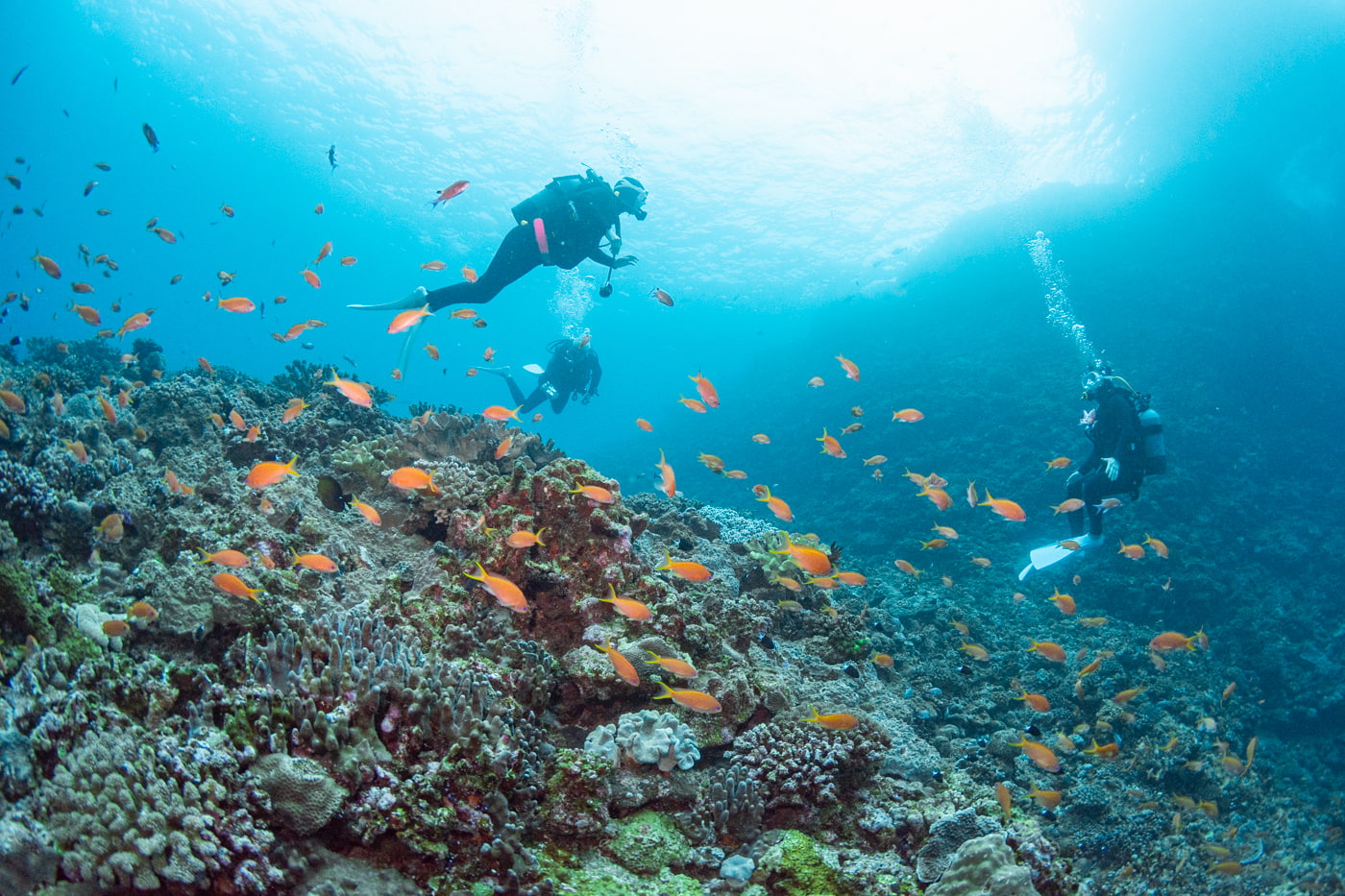
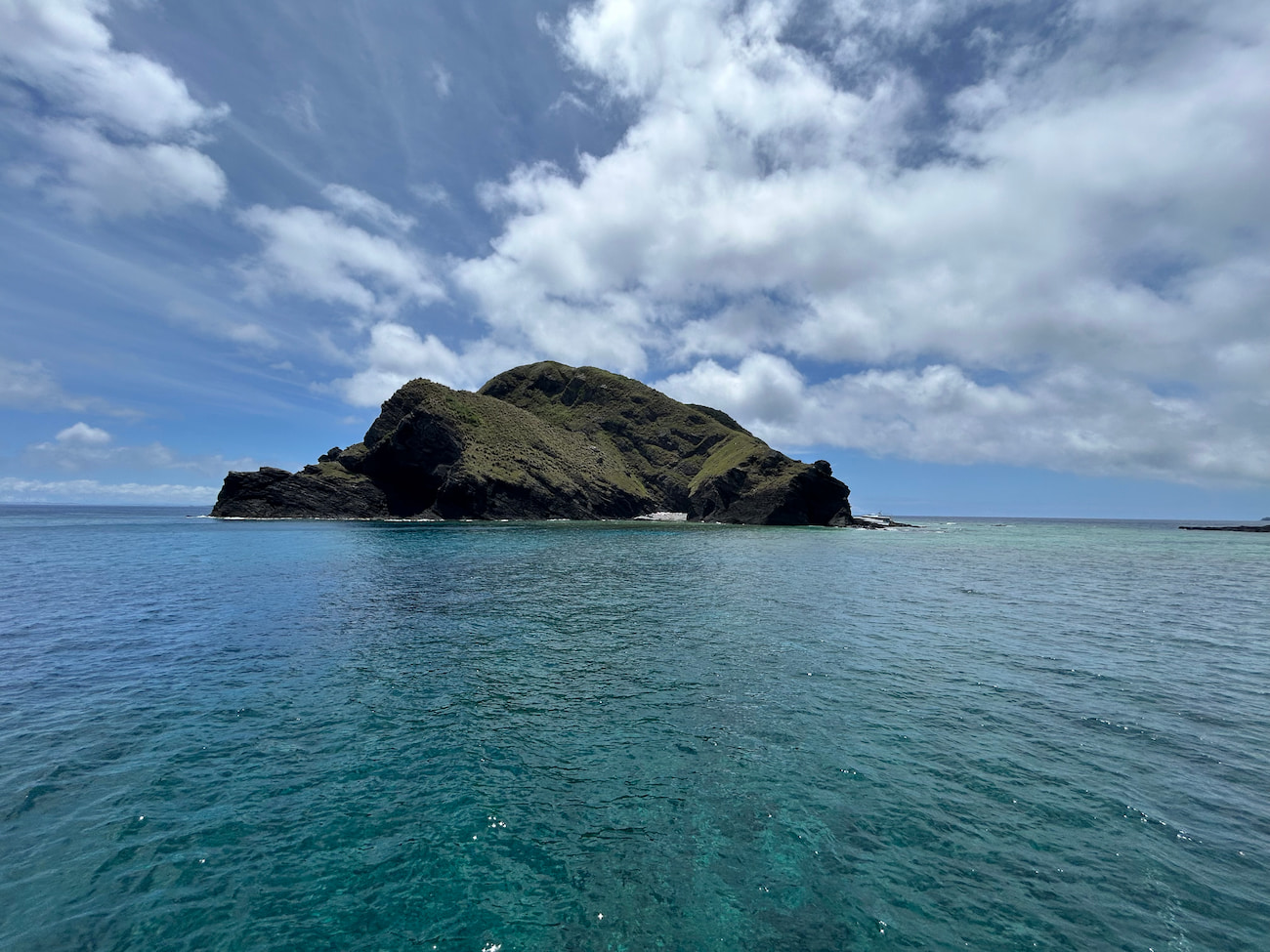
One of the most popular and frequently visited dive sites in the Kerama Islands. Diving here can be done either by anchoring or as a drift dive. In most cases, entry is made from a shallow anchored position. For drift diving, divers may start from the shallow reef and drift along the current, or enter from a more distant reef area.
Underwater, the shallow area consists of reef, but as you move offshore it quickly drops into a steep slope, creating a drop-off-like terrain with an open-ocean feel.
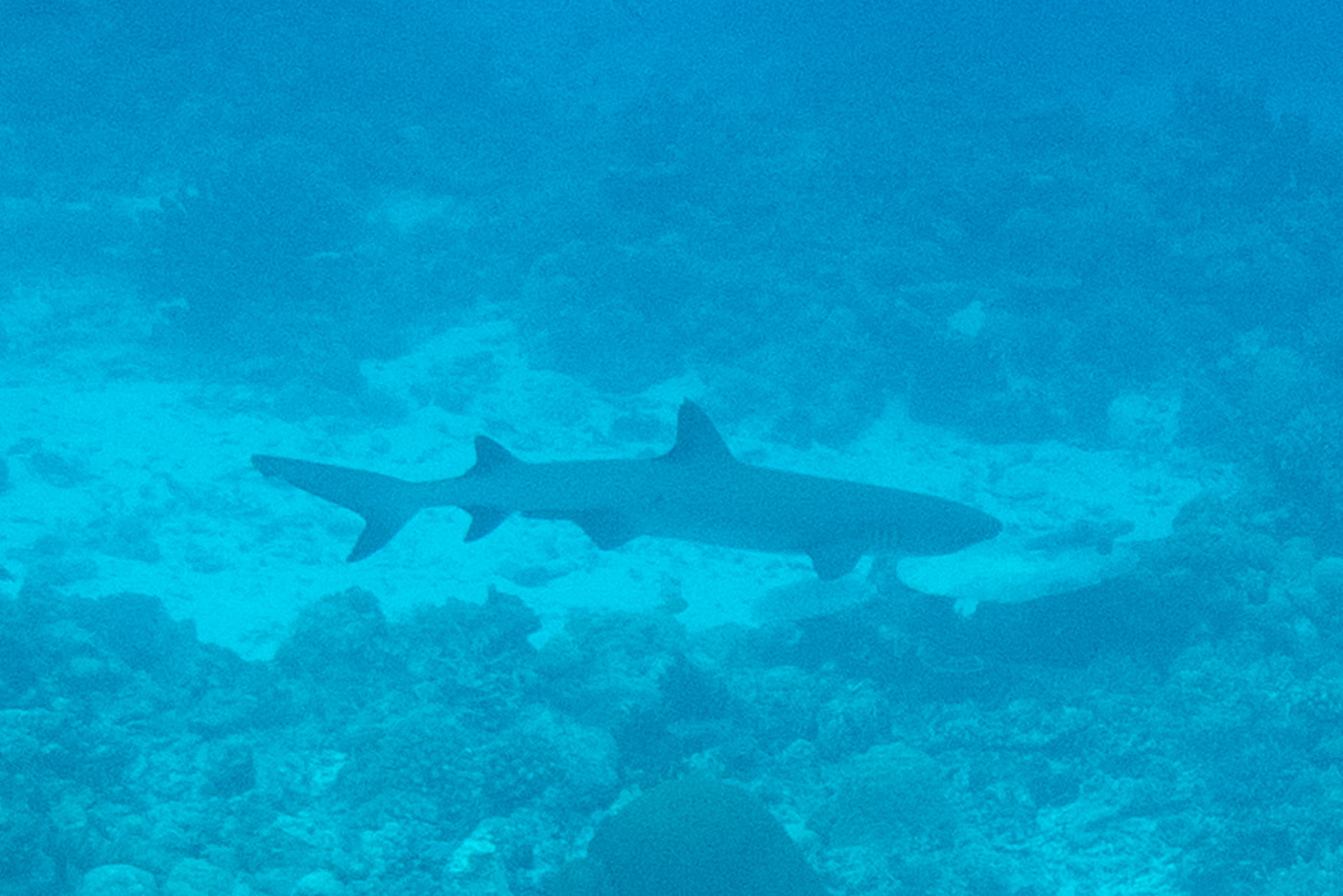
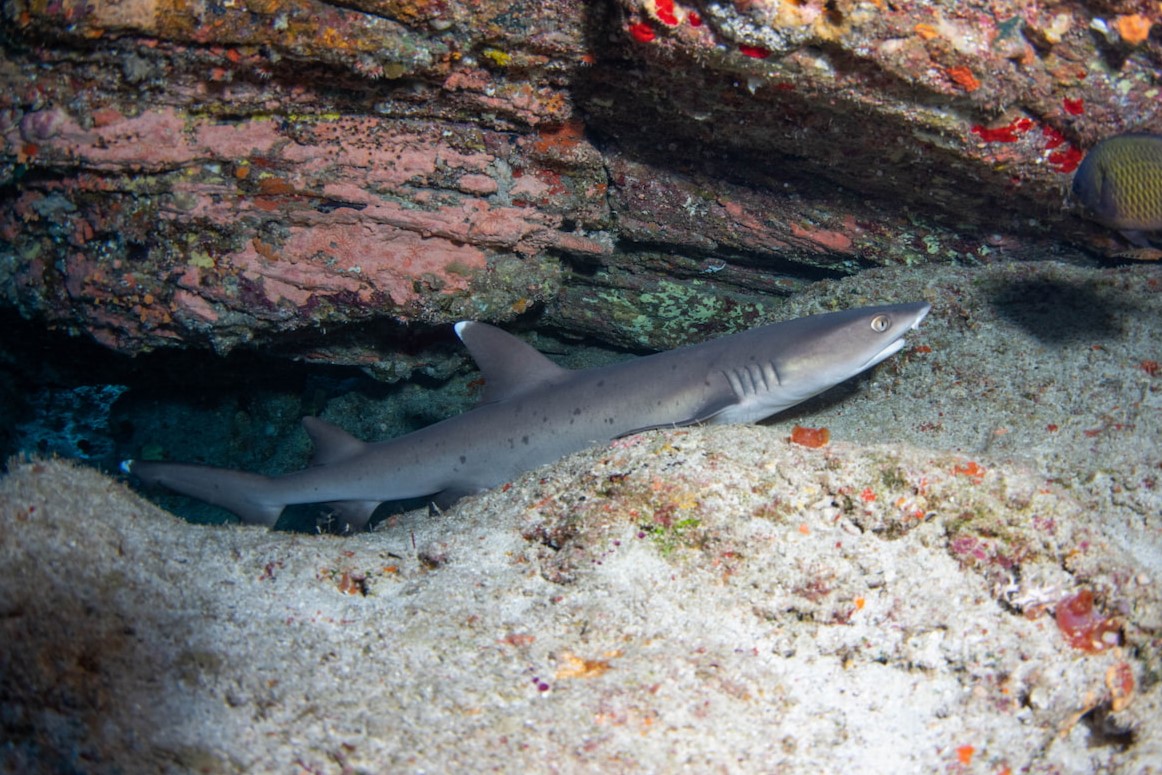
On the outer reef, there is a chance to encounter schools of pelagic fish, whitetip reef sharks, and sea turtles. Although not frequent, hammerhead sharks, manta rays, and whale sharks have also been sighted here in the past.
Current: ★★☆☆☆ (None to Occasional)
Visibility: ★★★★☆
Difficulty: ★★☆☆☆
Average Depth: 8–17 m
Best Wind Direction: South

≫Dive Log at Kuroshima North Twin Rock
Maejima Island Dive Site
Paraiso (Maejima Island)
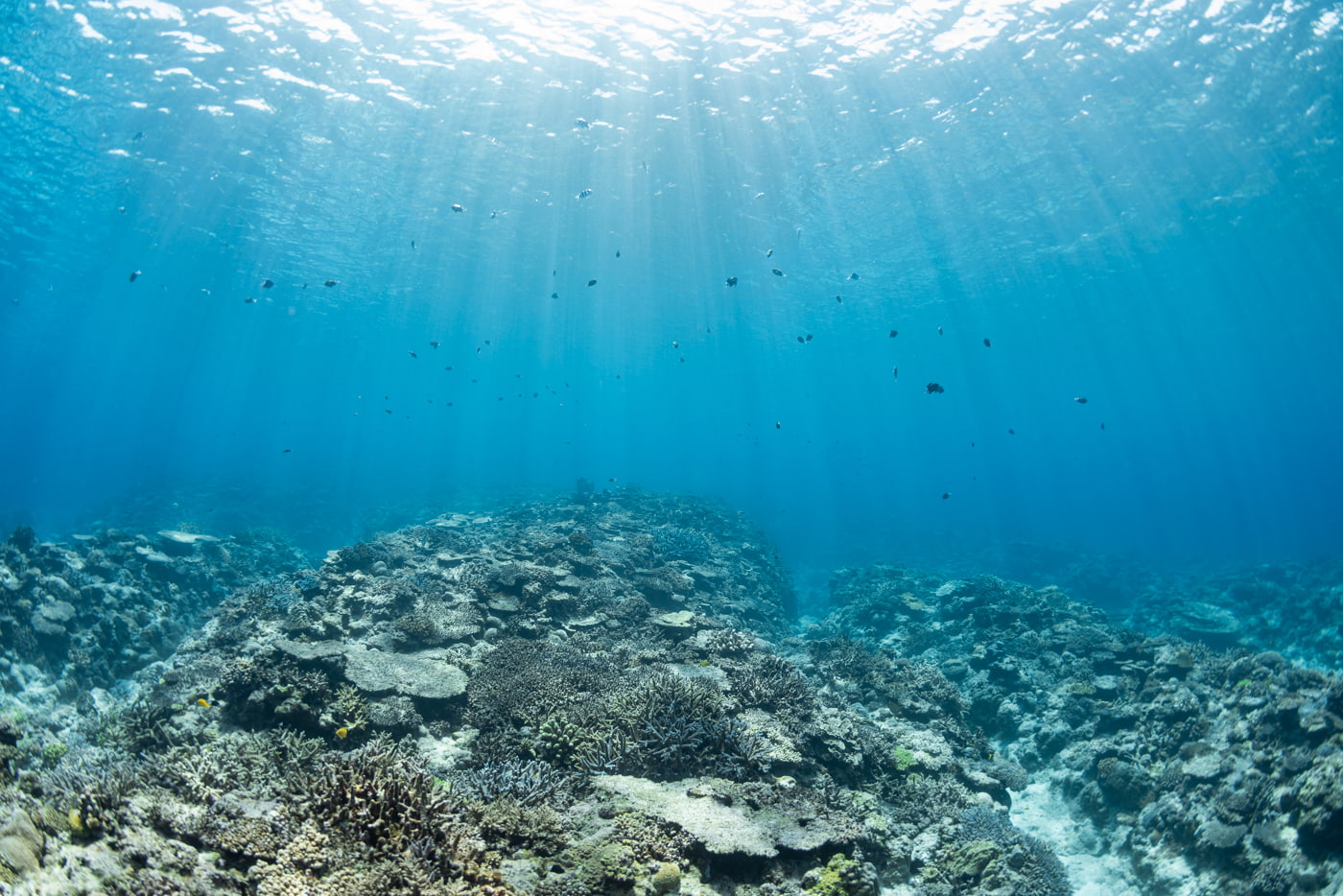
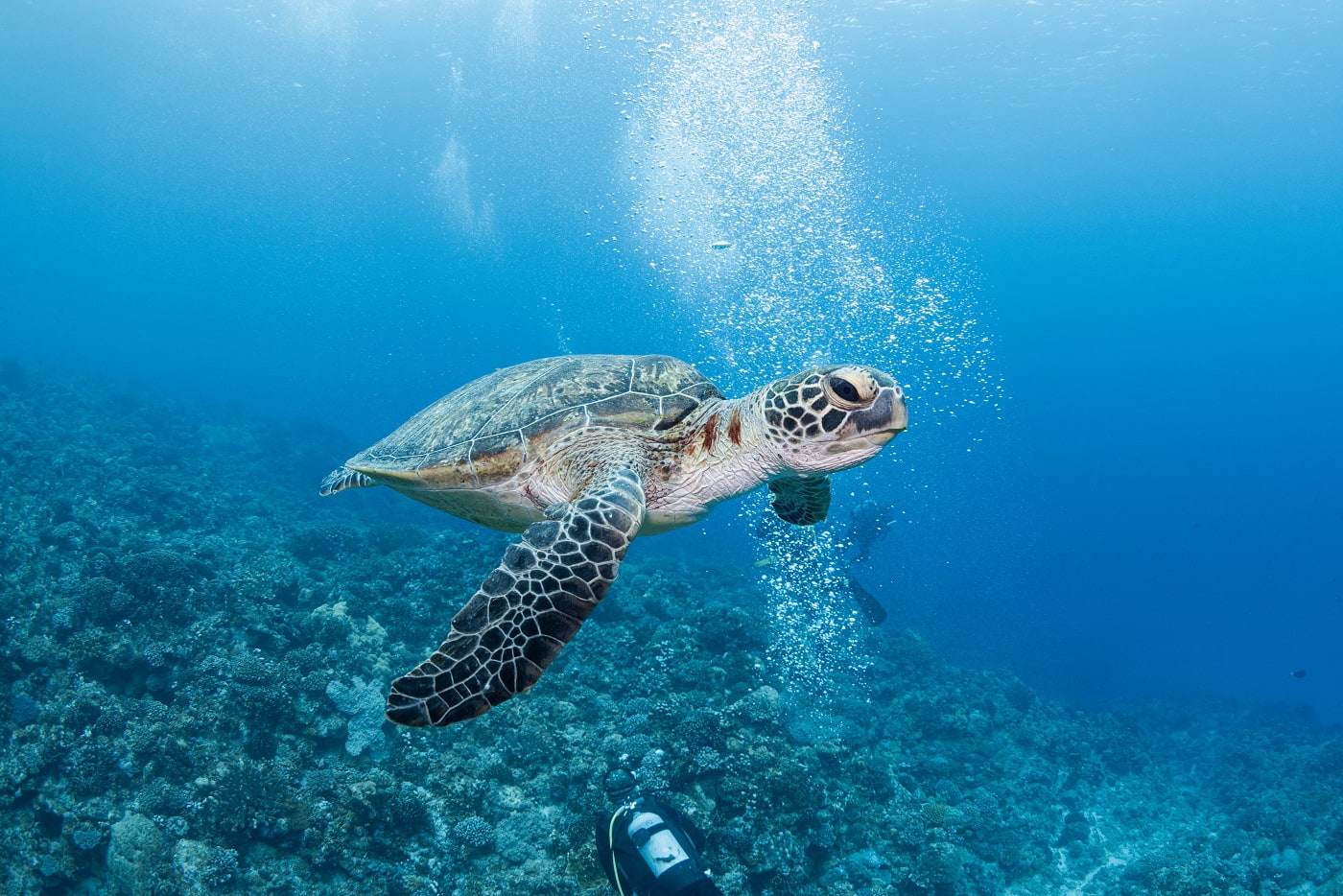
West side of Maejima Island. This dive site is known for its beautiful shallow coral reefs. On the northern side, sea turtles are frequently encountered.
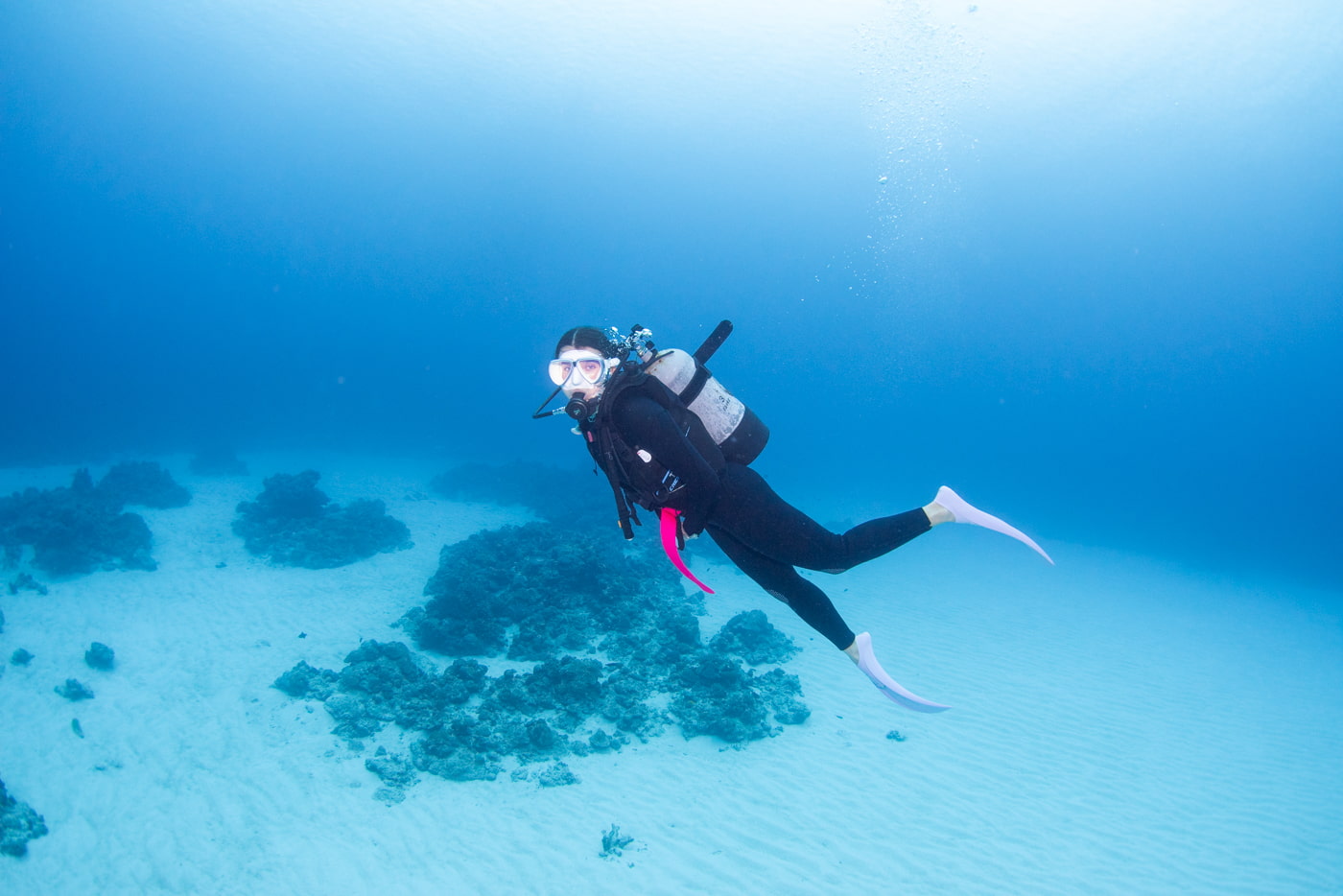
A short swim to the southern offshore area reveals a vast white sandy bottom. When there is no current, divers can slowly explore the entire site at a relaxed pace.
Diving is usually conducted by anchoring, although drift diving is also possible depending on conditions.
In early summer, the very rare wedgefish has also been spotted on the offshore sandy bottom.
Current: ★★☆☆☆ (None to Occasional)
Visibility: ★★★★★
Difficulty: ★★☆☆☆
Average Depth: 8–17 m
Best Wind Direction: East
Daimaru / Sanchin (Maejima Island)
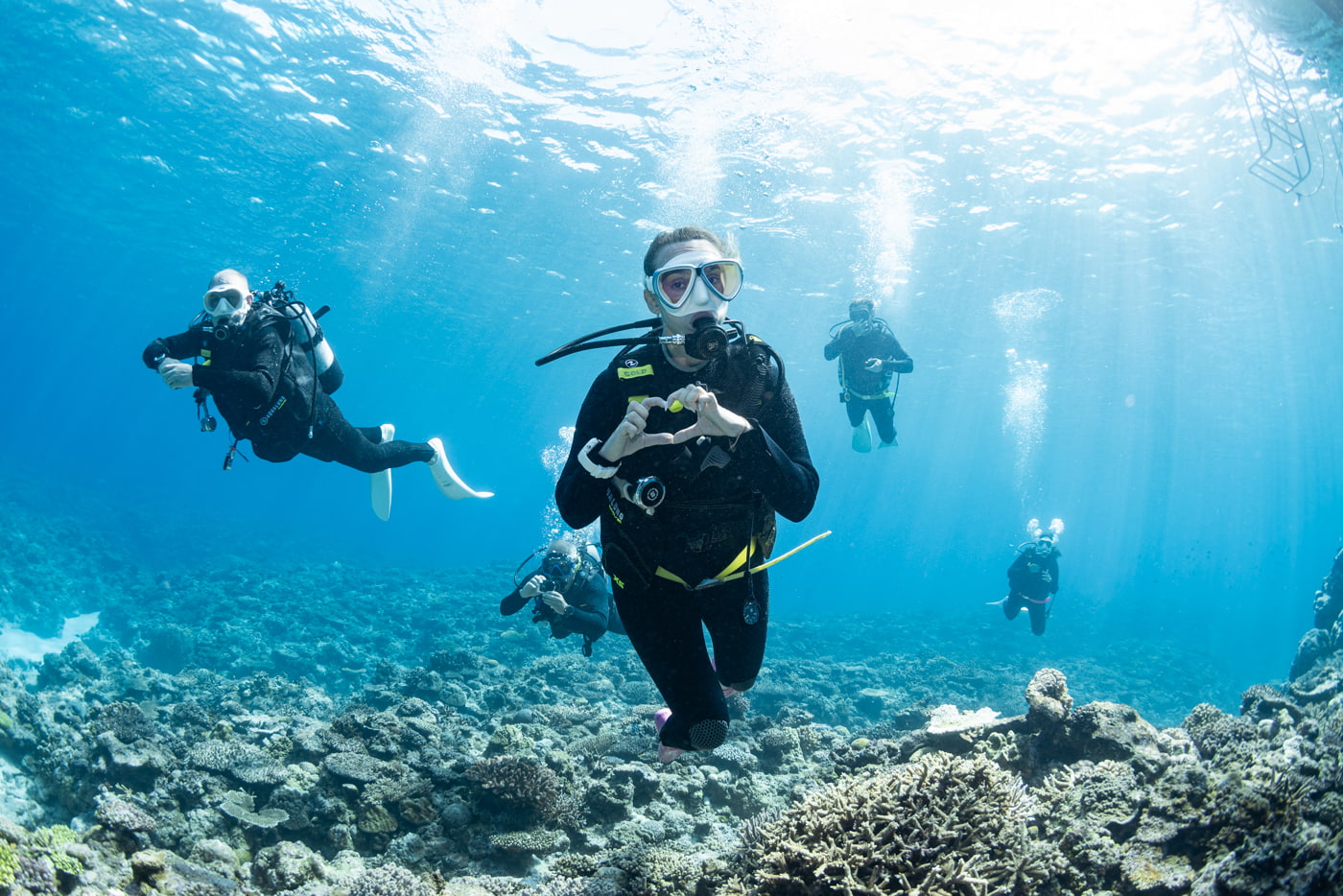
East side of Maejima Island. This dive site features shallow coral reefs with a sandy bottom. Several reef patches are scattered throughout the area, and clownfish can also be seen.
Along the reef, whitetip reef sharks are occasionally spotted. Garden eels inhabit the sandy bottom, and sea turtles are also sometimes encountered.
Currents are usually very mild, allowing for a relaxed and easy dive.
Current: ★☆☆☆☆ (None to Very Weak)
Visibility: ★★★★☆
Difficulty: ★☆☆☆☆
Average Depth: 8–15 m
Best Wind Direction: West, North
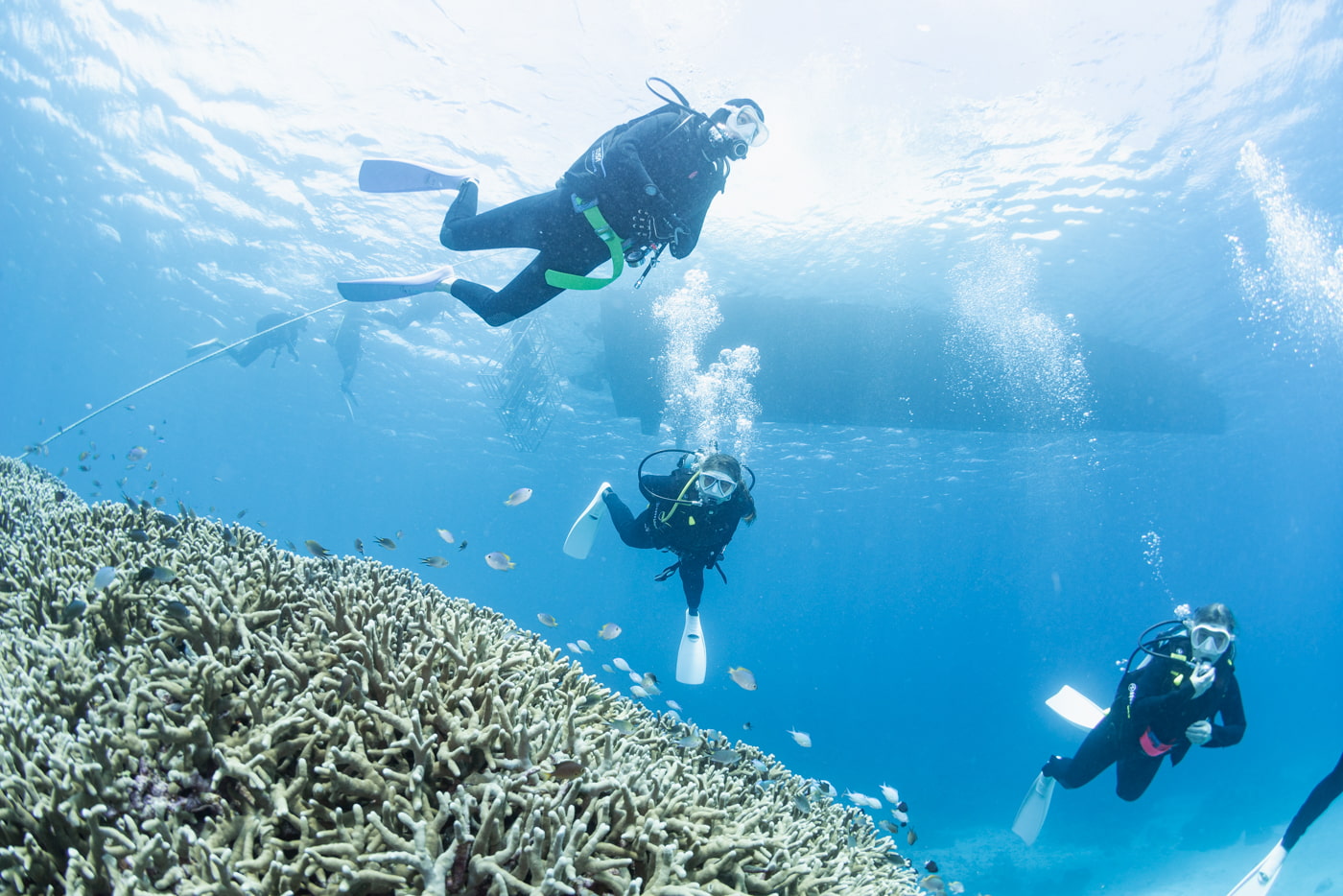
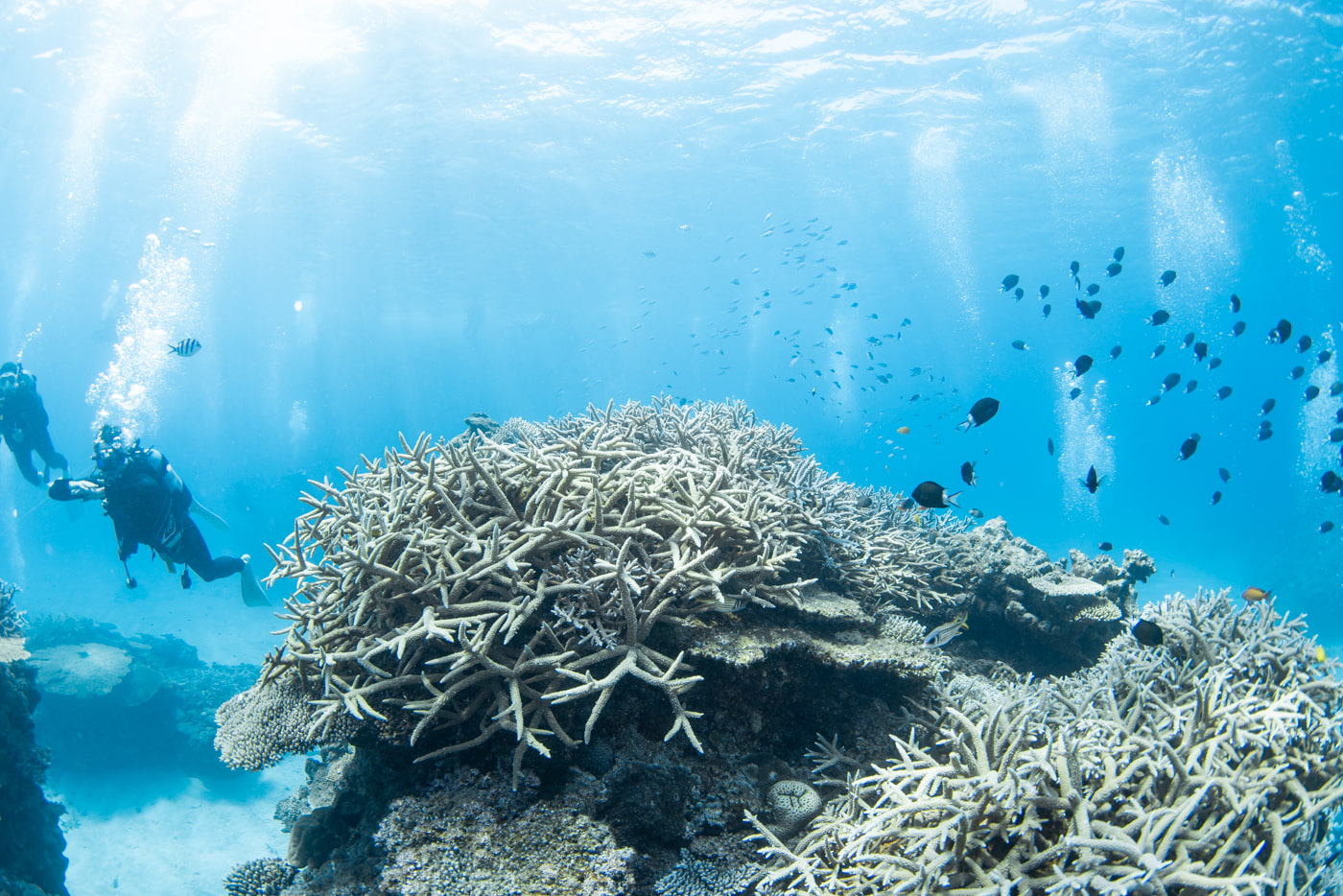
Chibishi / Keise Islands Dive Site
The Chibishi Islands are located between Okinawa’s main island and the Kerama Islands. Like the Kerama Islands, they are a well-known scuba diving destination. On diving tours in the Kerama Islands, we often combine dives at sites in the Chibishi Islands as well.
The area offers a variety of dive sites, including beautiful coral reefs, caves, and crevices.
When weather conditions are poor and it is not possible to reach the Kerama Islands, we dive around the Chibishi Islands instead. Since most areas around the Chibishi Islands are suitable for diving, we choose calm and sheltered sites depending on wind and sea conditions.
Naganannu South (Chibishi Islands)
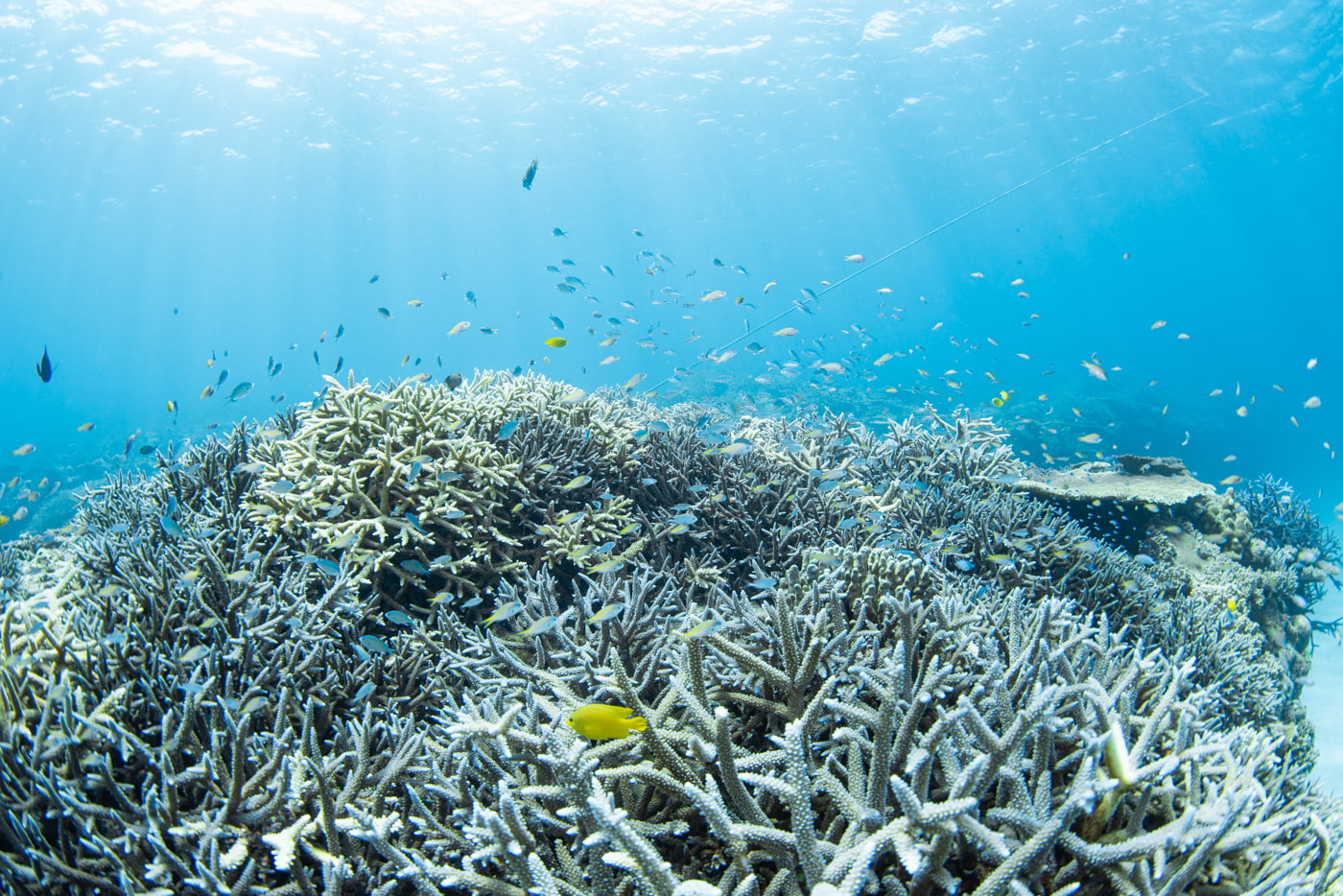
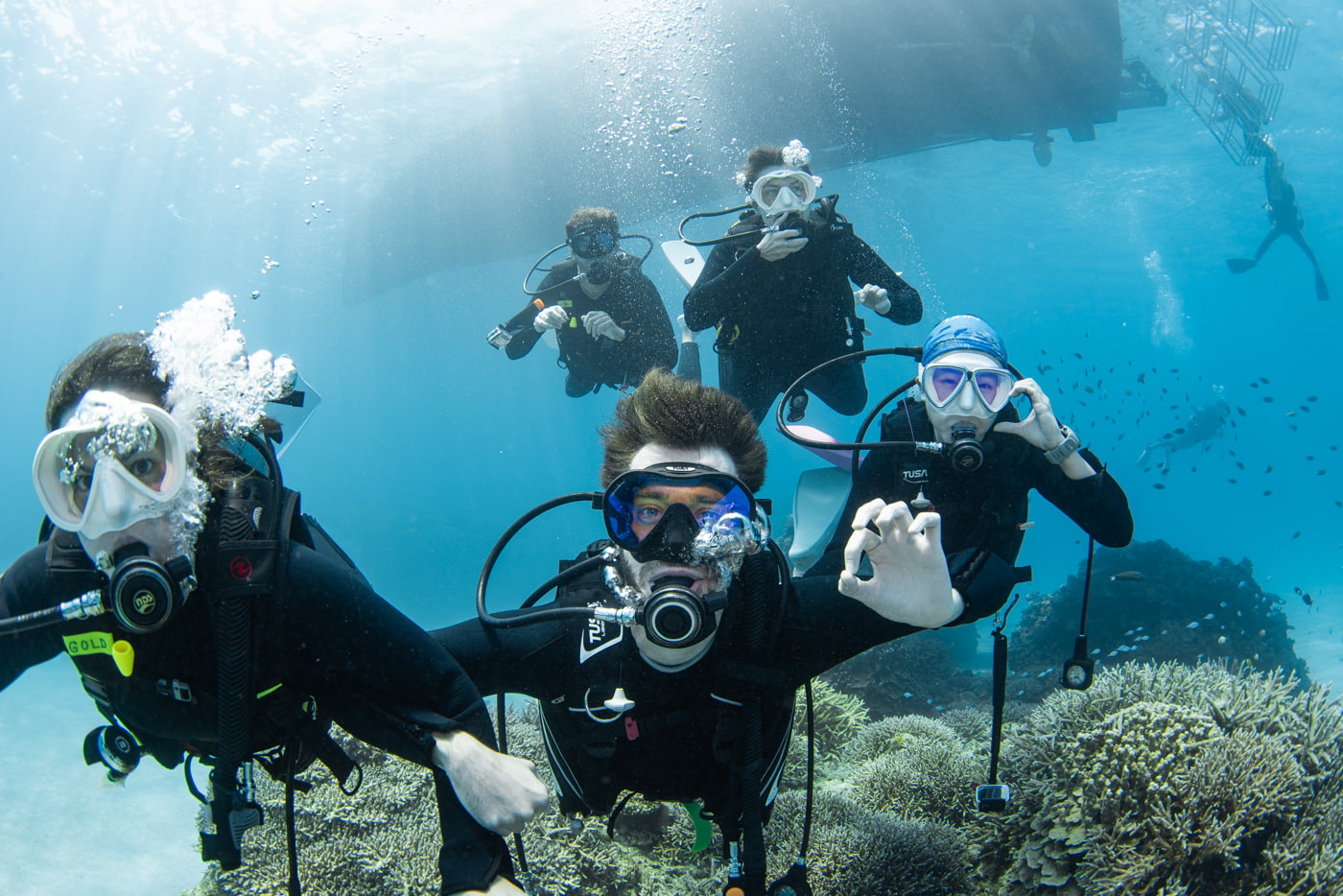
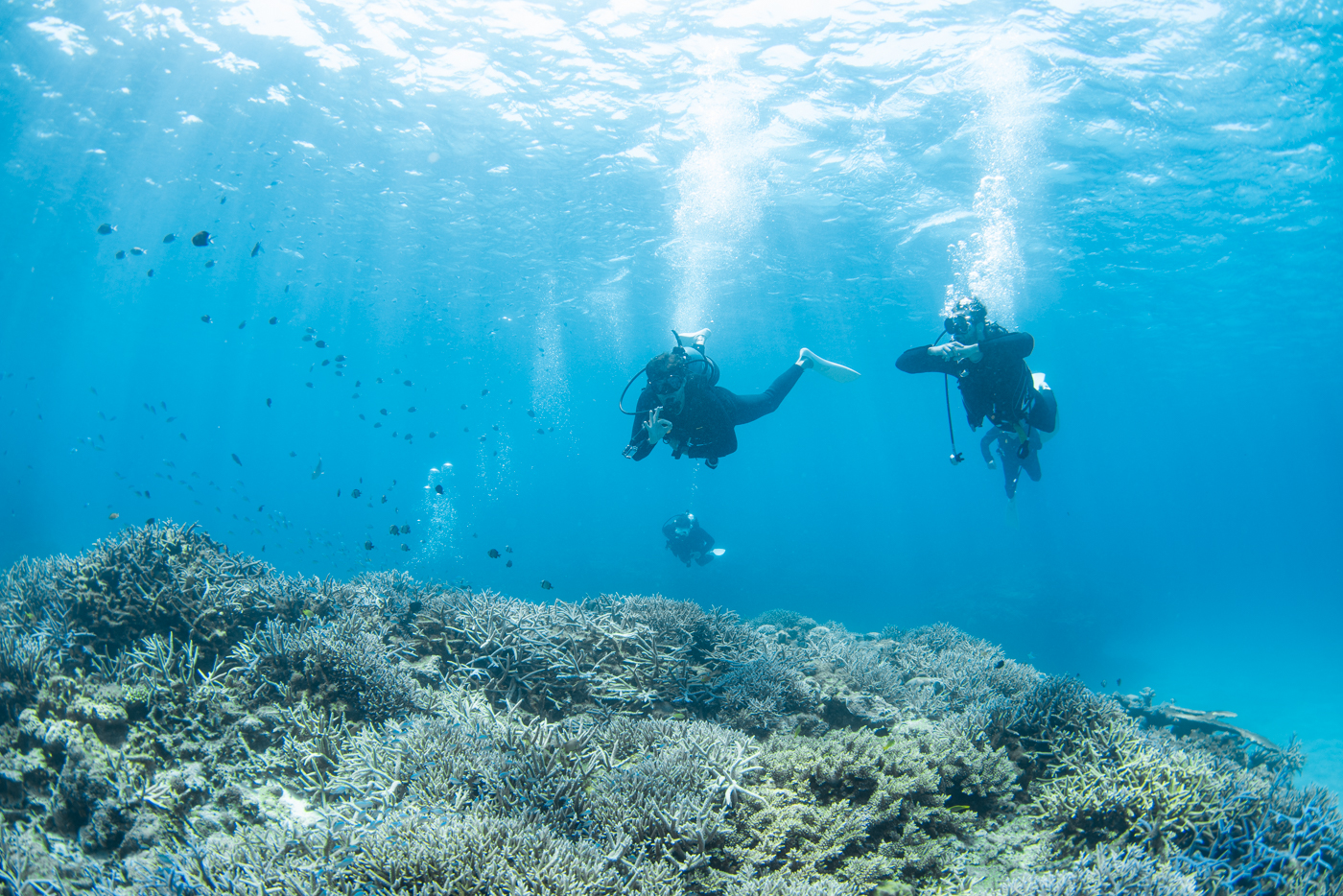
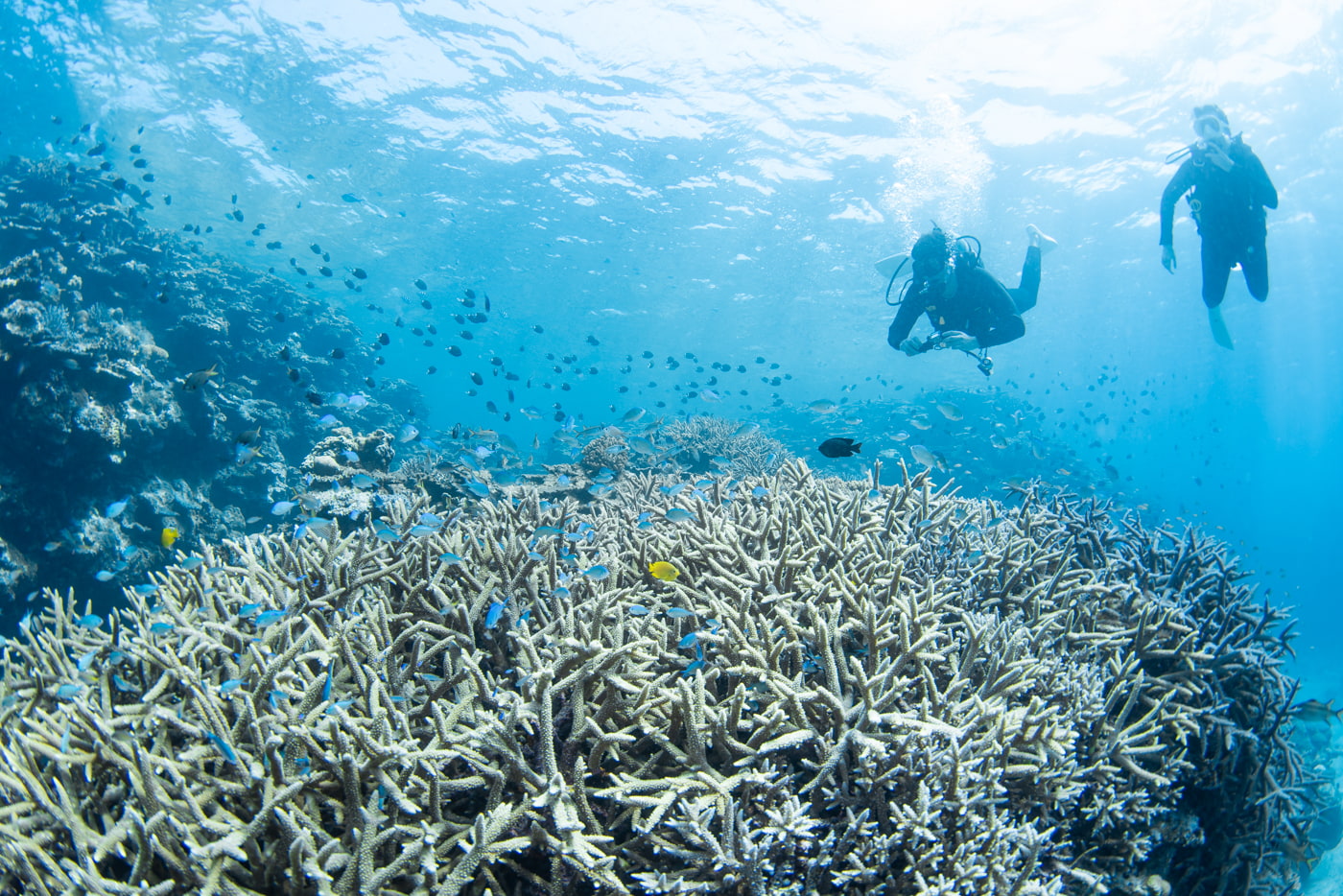
South of Nagannu Island. This dive site is known for its stunning coral reefs, which are the main highlight. The overall depth is shallow, and visibility is generally very good.
On sunny days, sunlight streams into the water, creating a beautiful scene and excellent conditions for underwater photography.
If you look carefully, nudibranchs can also be found. Whitetip reef sharks are occasionally seen in the area.
Current: ★☆☆☆☆ (None to Very Weak)
Visibility: ★★★★☆
Difficulty: ★☆☆☆☆
Average Depth: 8–15 m
Best Wind Direction: North
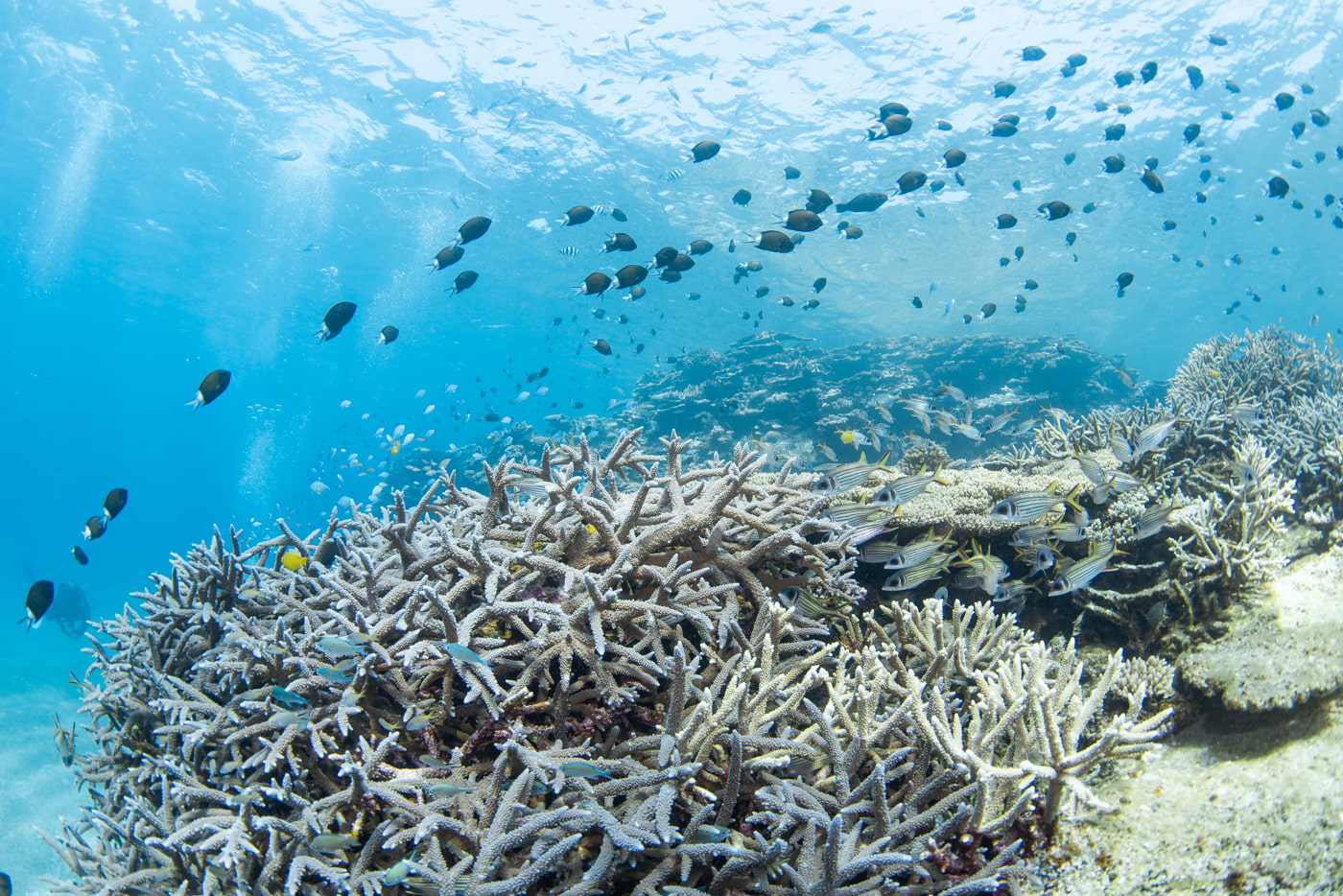
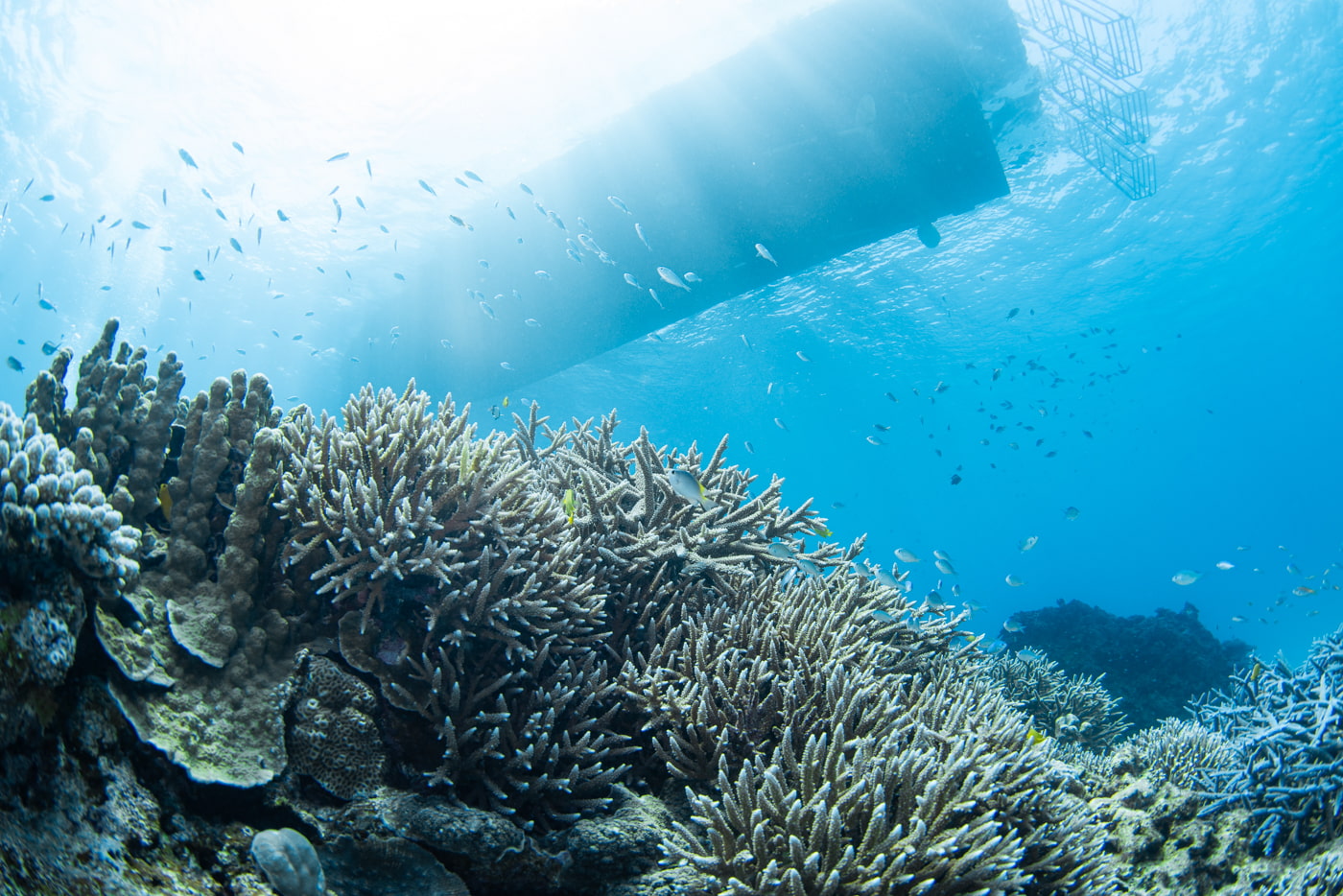
Kamiyama South Labyrinth (Chibishi Islands)
South of Kamiyama Island. This dive site is known for its coral reefs, crevices, and caves. There are several swim-through caves and crevices that divers can explore.
Sea turtle encounters are also possible in this area.
Diving is usually conducted by anchoring, although drift diving is also used depending on conditions. The site is well protected from northerly winds, making it a popular dive site throughout the year.
Current: ★★☆☆☆ (None to Occasional)
Visibility: ★★★★☆
Difficulty: ★★☆☆☆
Average Depth: 8–17 m
Best Wind Direction: North
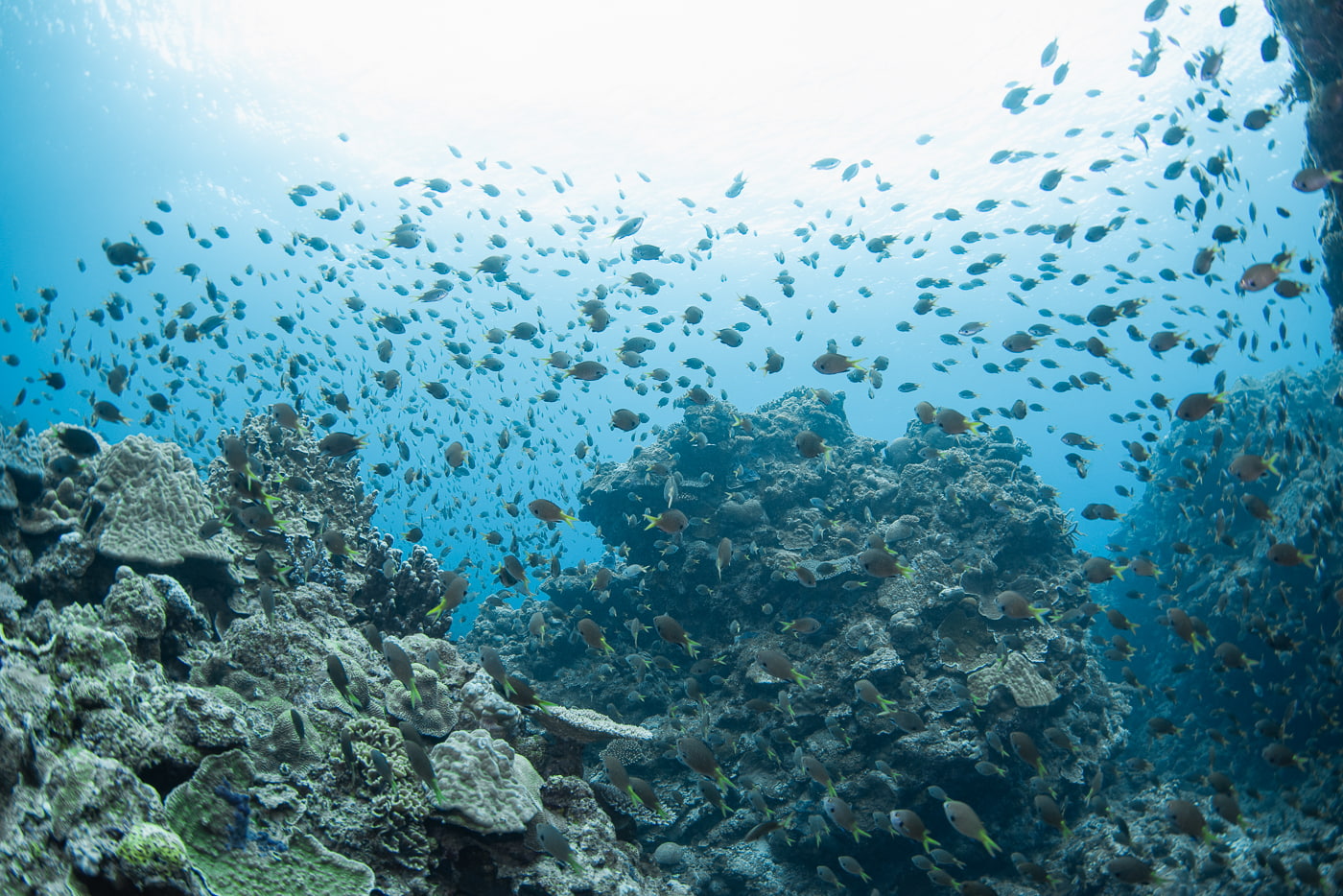
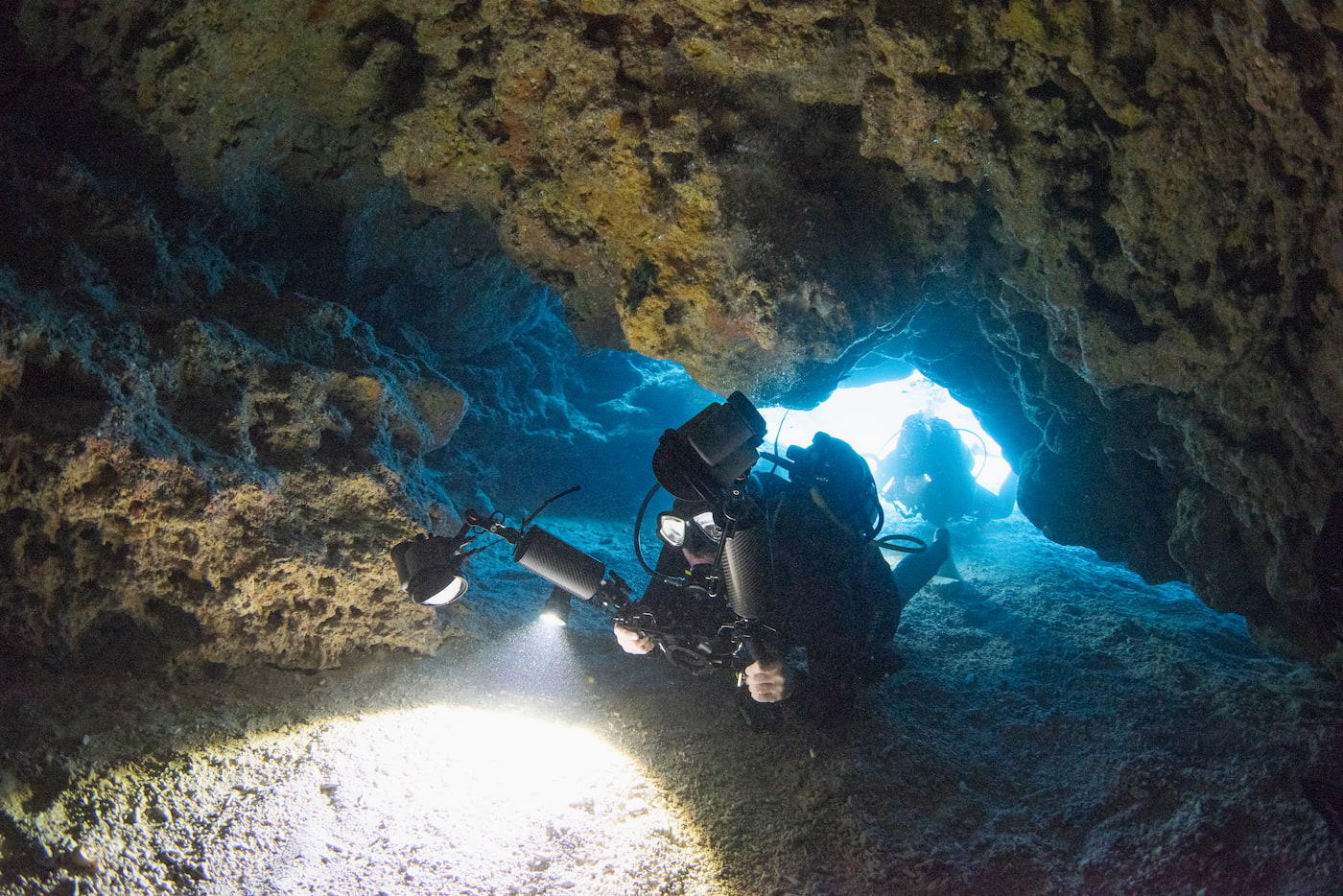
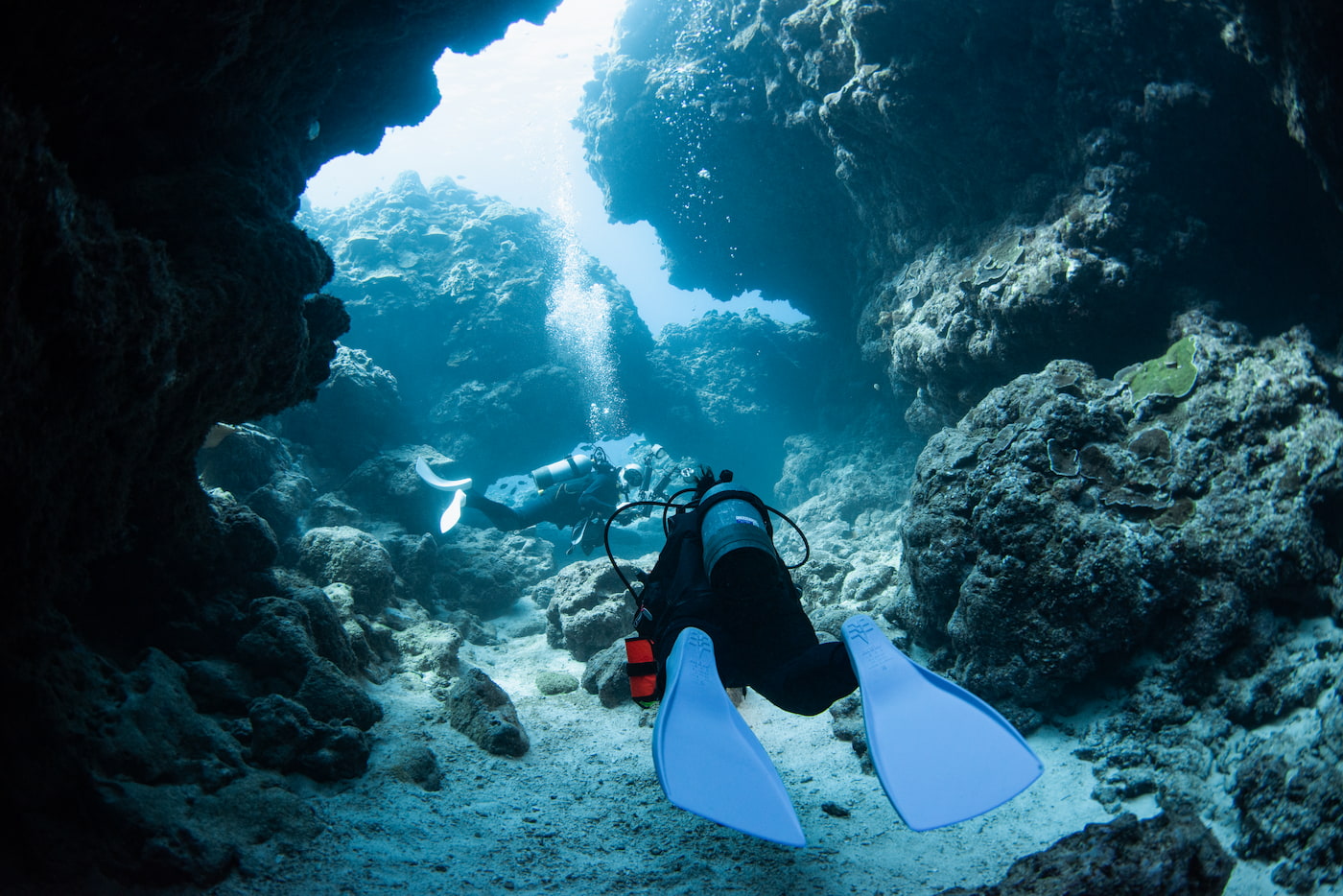
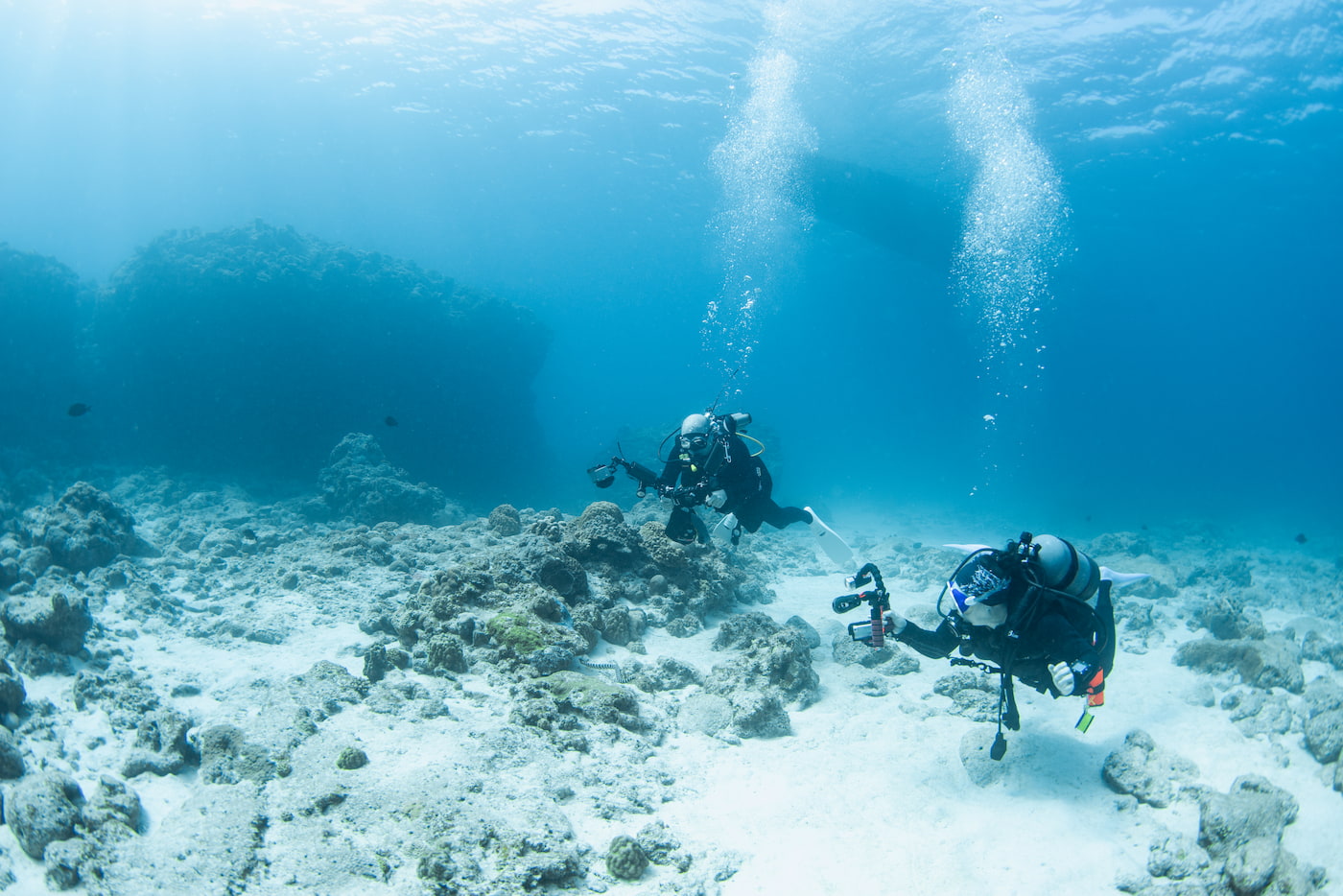
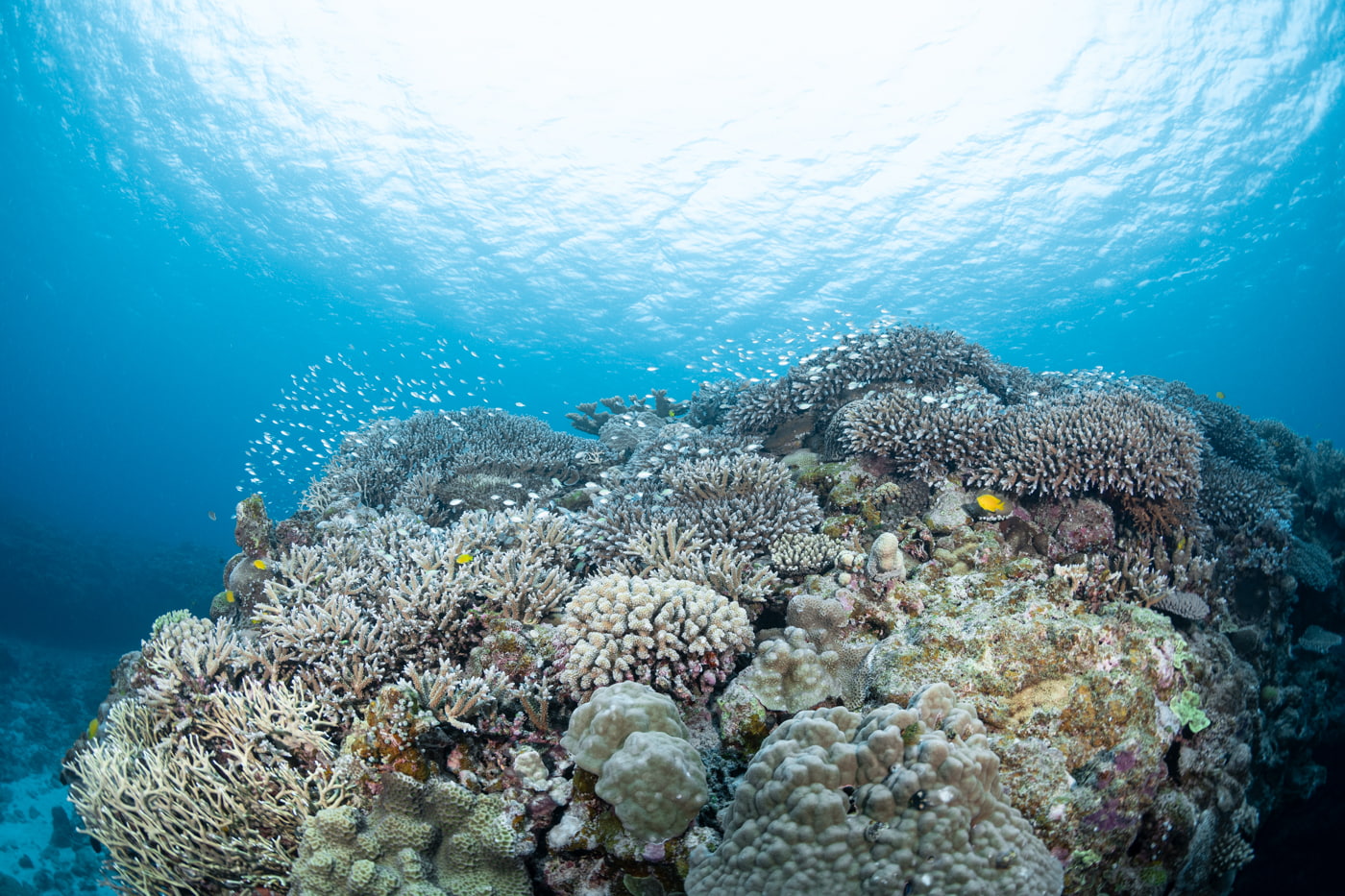
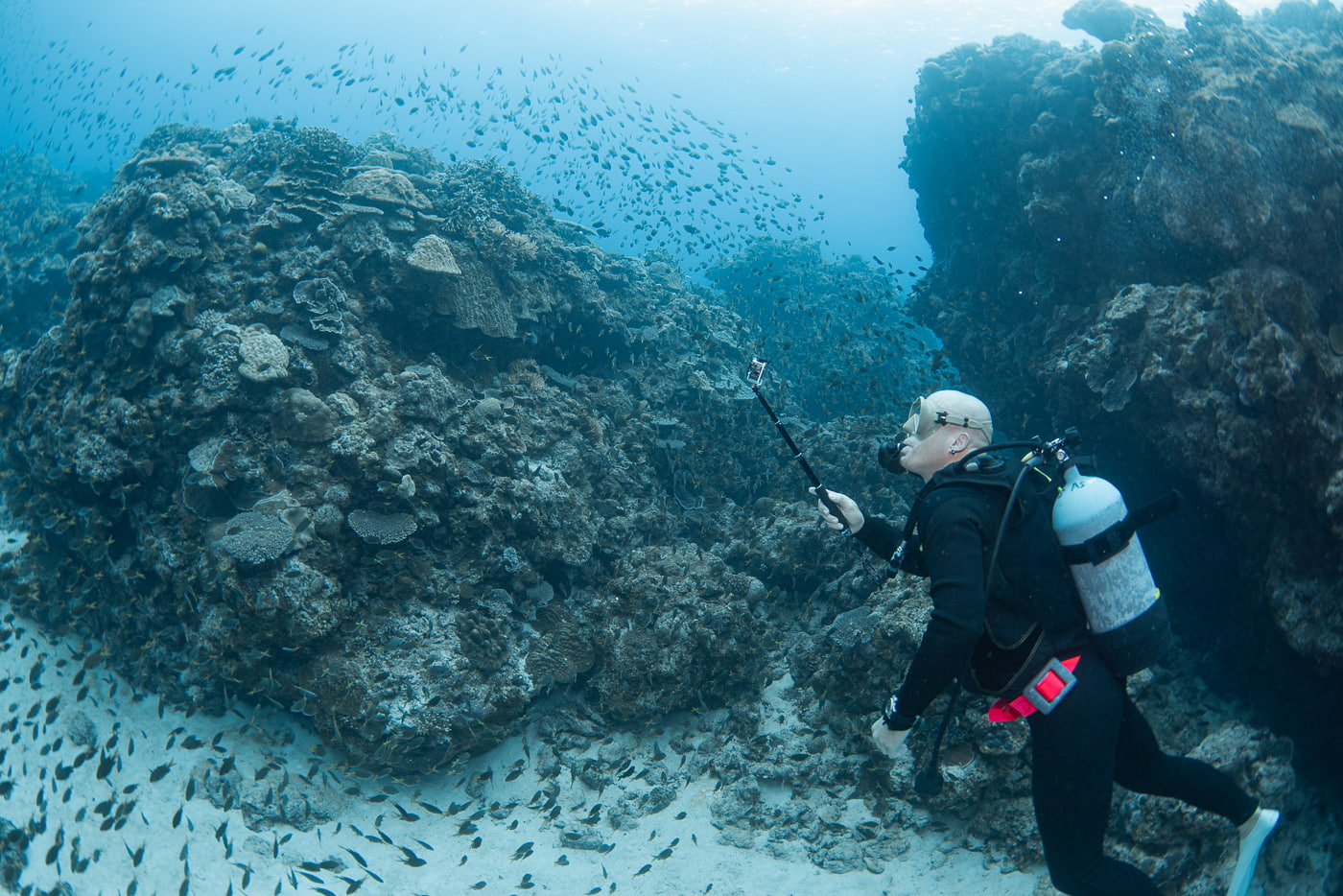
≫Dive Log at Kamiyama South Labyrinth
Why the Kerama Islands Are Famous for Diving
The Kerama Islands are known worldwide for their beautiful coral reefs and healthy marine ecosystem. The area is part of Keramashoto National Park, which helps protect the underwater environment.
Divers visiting the region can experience:
- Large coral reef formations
- Excellent visibility throughout the year
- Calm and clear tropical water
- Abundant marine life
- White sand seascapes and reef slopes
Because of these ideal conditions, the Kerama Islands are often considered one of the best places to dive in Okinawa.
Marine Life in the Kerama Islands
The underwater world of the Kerama Islands is full of life. Colorful tropical fish swim among the coral reefs, creating vibrant underwater scenes on every dive.
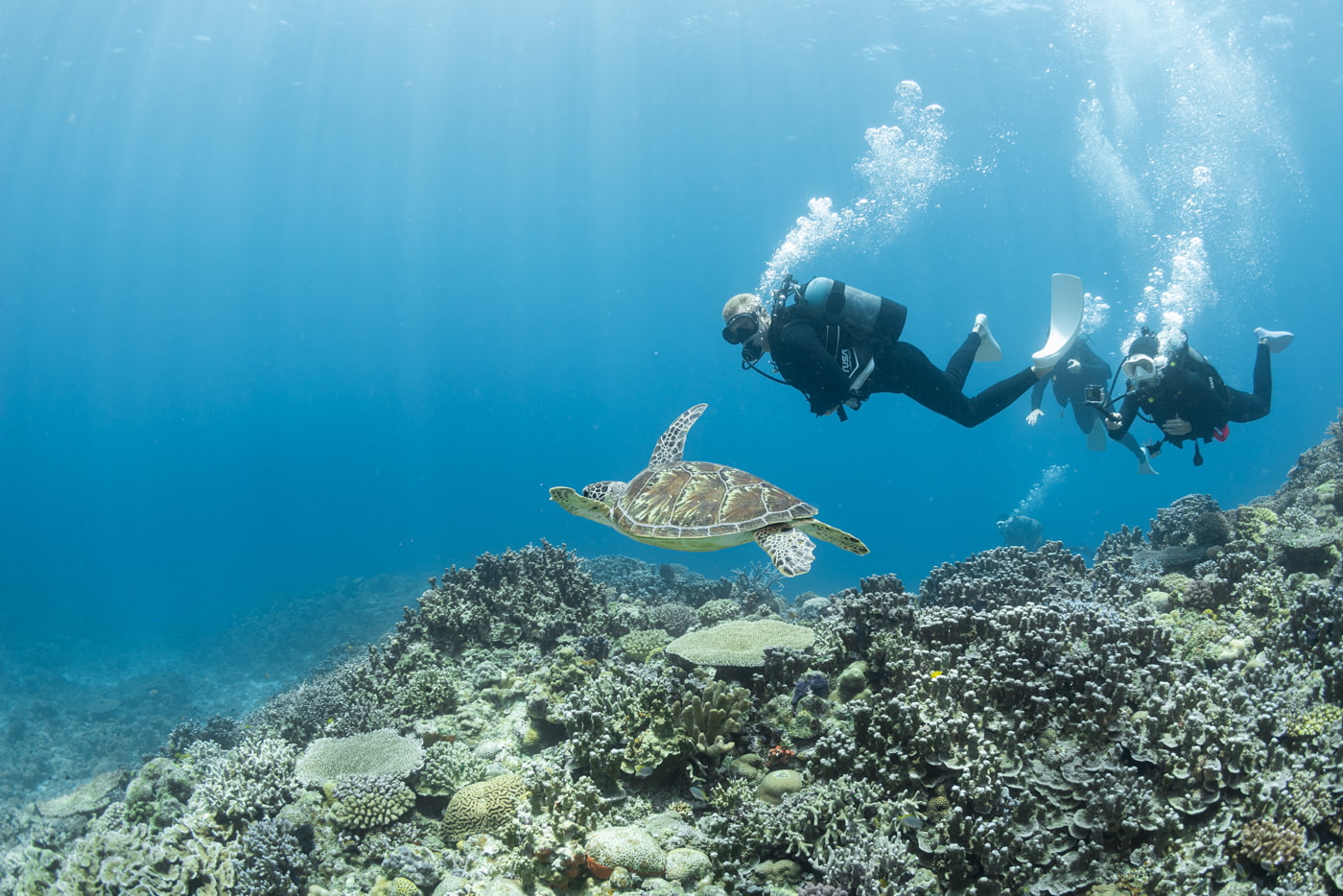
Sea turtles are one of the most popular encounters for divers. They are frequently seen resting on the reef or swimming peacefully through the clear blue water.
Other marine life commonly found in the Kerama Islands includes:
- Clownfish living in sea anemones
- Butterflyfish and angelfish
- Parrotfish and surgeonfish
- Moray eels hiding inside coral formations
- Large schools of reef fish
Every dive offers the opportunity to discover something new beneath the surface.
≫Marine Life in the Kerama Islands
Dive Sites Are Selected Daily
With hundreds of dive sites across the Kerama Islands, dive locations change depending on the day's ocean conditions. Experienced local guides carefully choose the best sites based on:
- Wind direction
- Ocean currents
- Visibility
- Safety conditions
This ensures divers always enjoy the best possible diving environment while exploring the islands. Because of this flexibility, every dive trip offers a slightly different experience.
Experience the Best Diving in the Kerama Islands
Whether you are visiting Okinawa for the first time or returning for another dive adventure, the Kerama Islands offer unforgettable underwater experiences.
With excellent visibility, healthy coral reefs, and abundant marine life, it is easy to see why divers from around the world travel to Okinawa to explore the Kerama Islands.
Every dive reveals something new, making it one of the most rewarding diving destinations in Japan.
Book Your Kerama Diving Trip
Ready to explore the famous dive sites of the Kerama Islands?
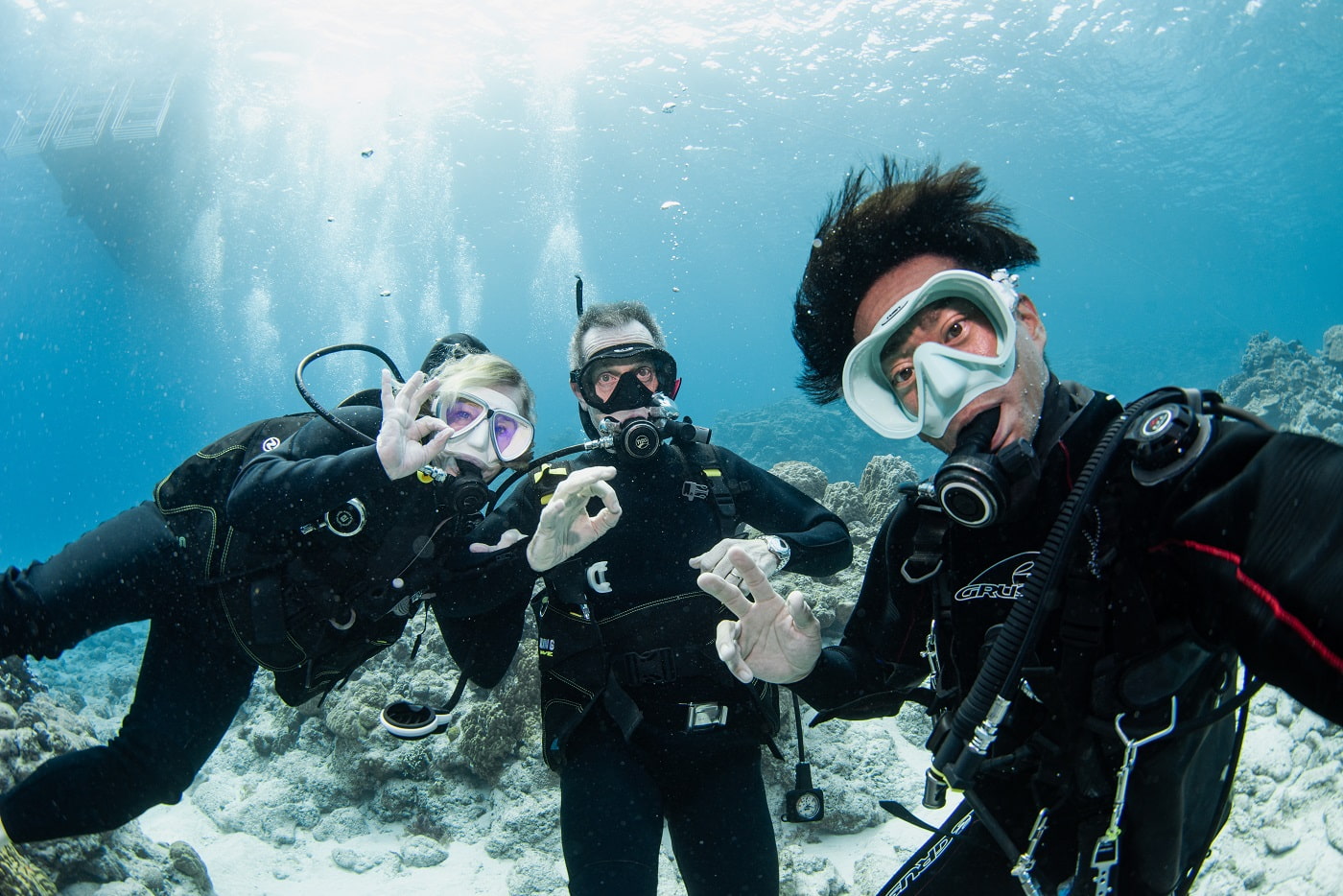
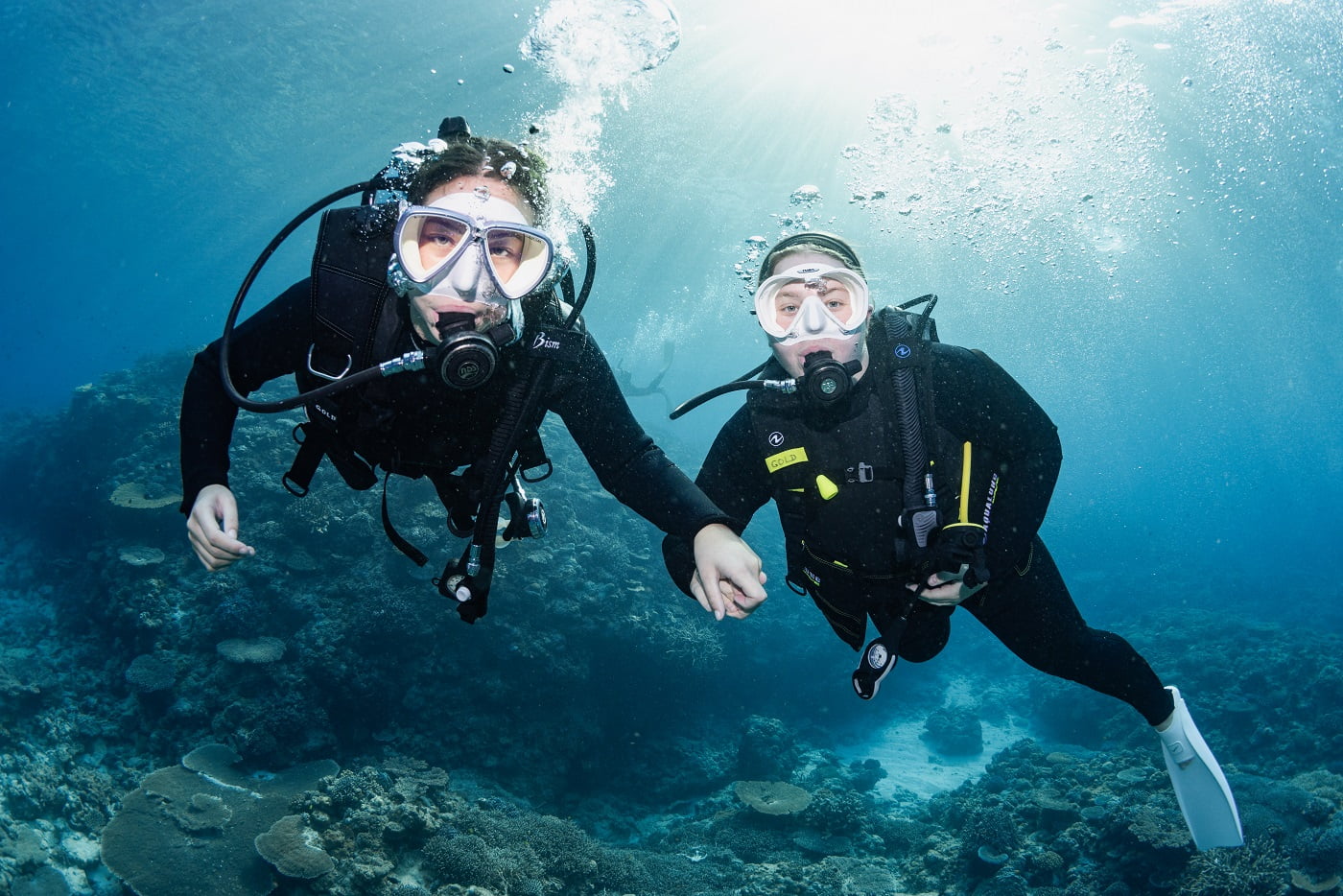
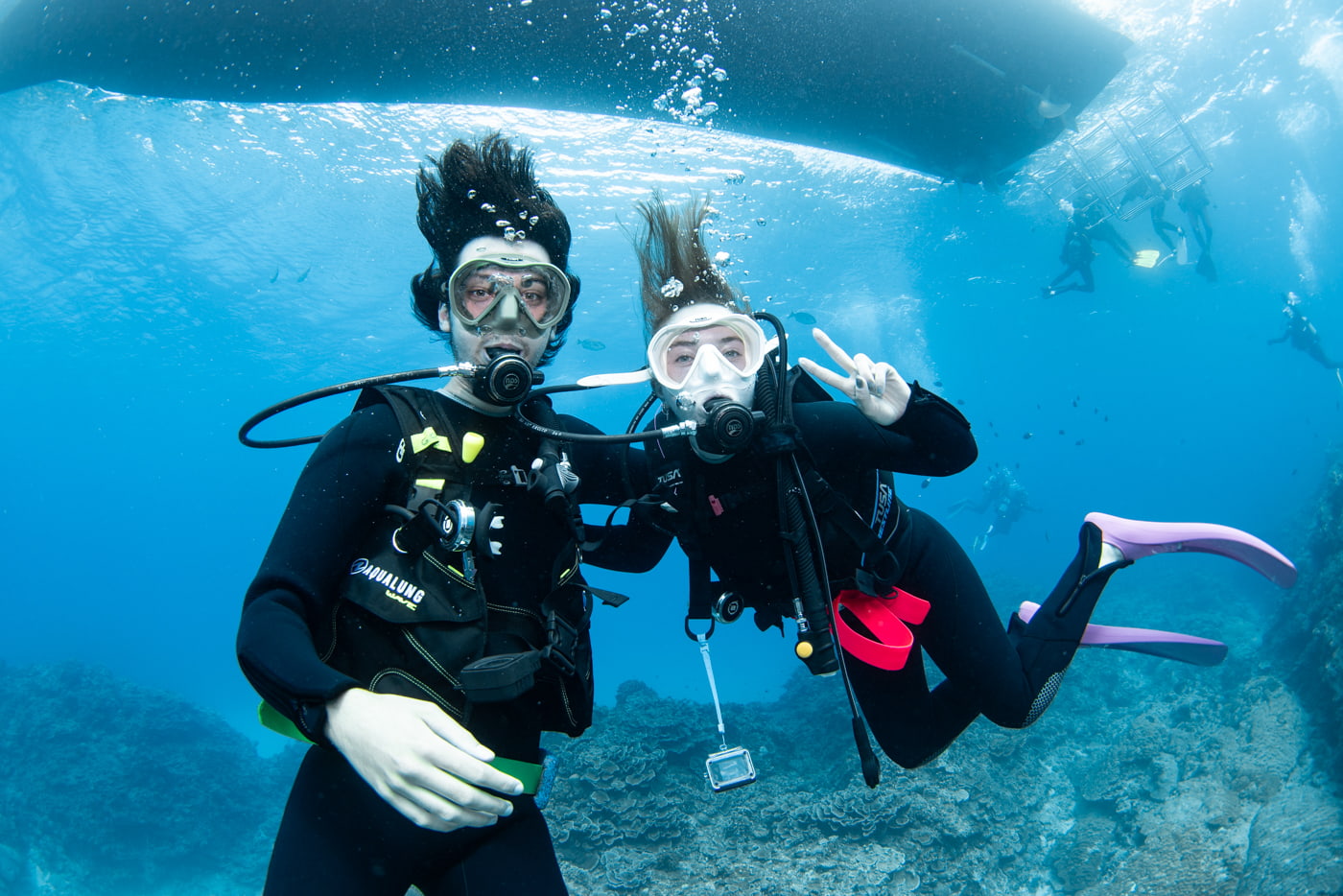
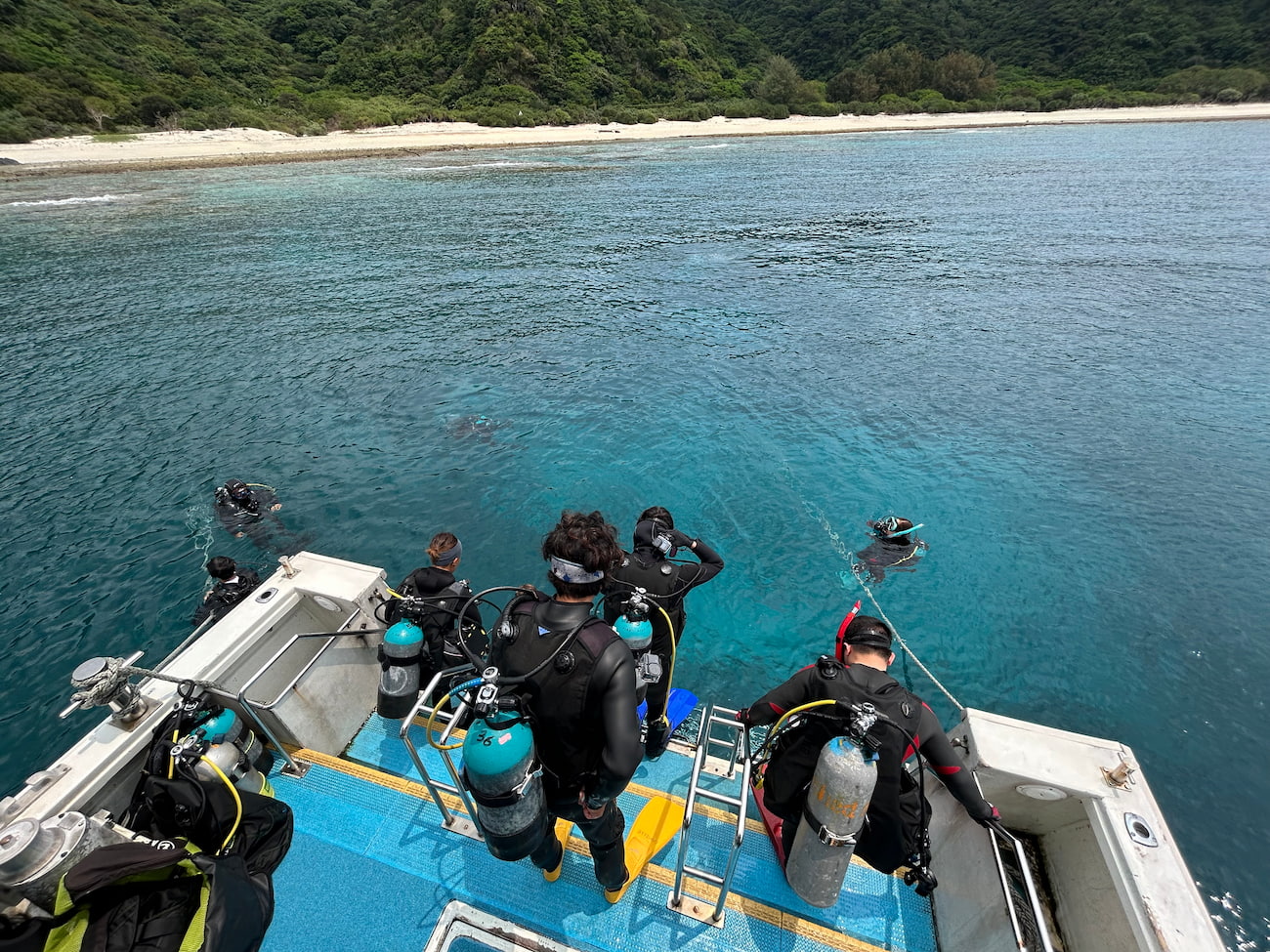
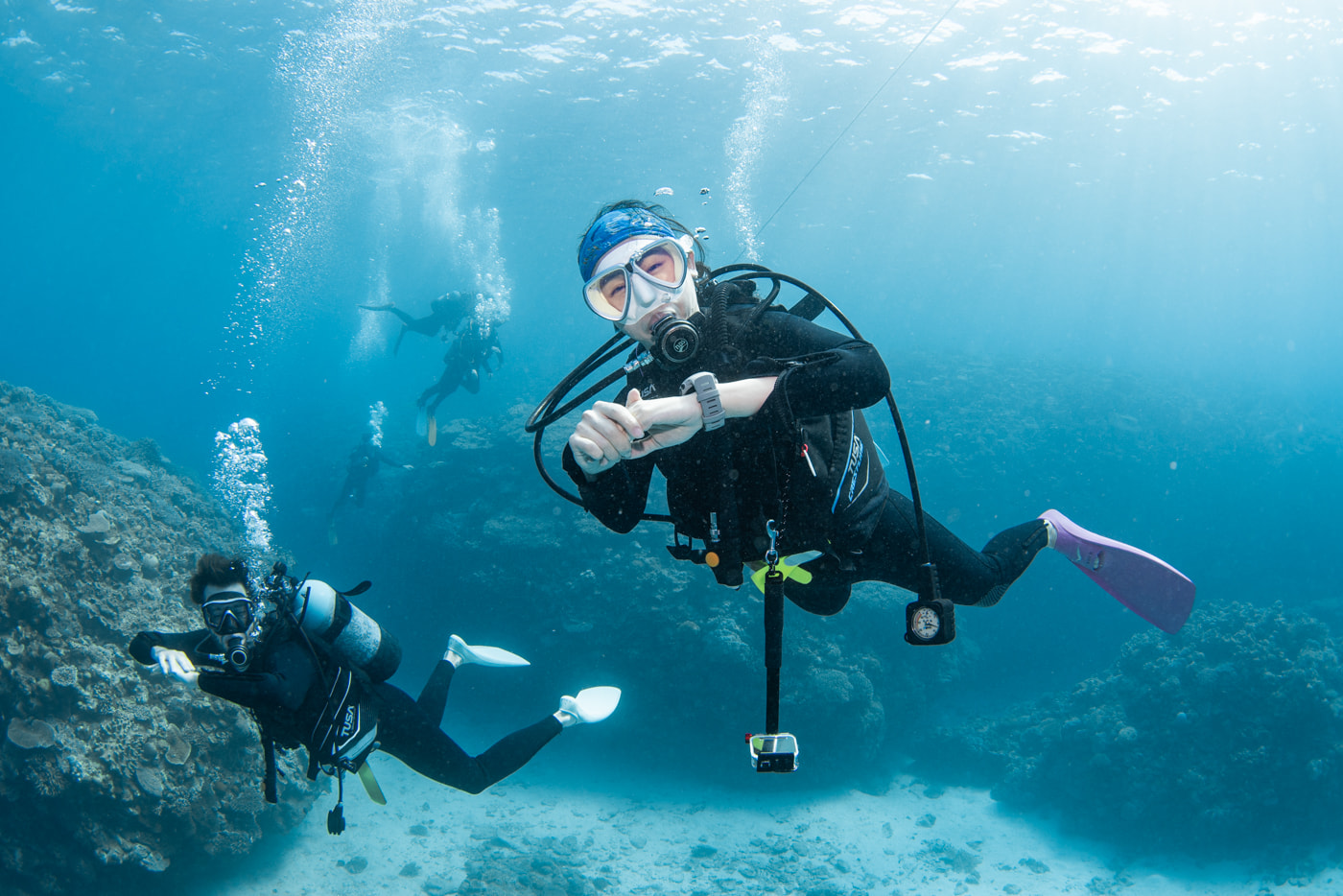
Our boat tours depart daily from Naha and take divers to some of the best dive locations in the region. All rental equipment is included, and experienced local guides carefully select the best dive sites of the day.
👉 Discover the beauty of the Kerama Islands with GOLD Scuba Diving.
GOLD Scuba Diving
Explore More on Kerama Diving
- Kerama Diving – Complete Guide
- How to Dive the Kerama Islands from Naha
- Do I Need Advanced Certification to Dive in Okinawa?
- Best Kerama Dive Sites in Okinawa
- Kerama Diving: Best Time & Season Guide for Year-Round Diving
- Is Kerama Diving in Okinawa Suitable for Beginners?
- Kerama Diving Price Guide
- A Day in the Kerama Islands
- Marine Life & Underwater Landscapes in Kerama Islands
- Kerama Diving Okinawa
- Kerama Diving from Naha
- Small Group Diving in Kerama Islands
- Drift Diving in Kerama Islands
- Is One Day of Diving in the Kerama Islands Enough?
- Kerama Diving Safety Tips & Preparation Guide
- Two Days of Diving in Kerama
- Is Kerama Diving Worth It?
- Ear Clearing, Buoyancy & Emergency Response Guide
- Kerama Diving Packing List
- Kerama Diving Visibility
Explore More on Okinawa Diving
- Okinawa Diving Guide
- Where to Dive in Okinawa
- Okinawa vs Kerama Diving
- Where Should You Dive in Okinawa?